Replacement Windows
Replace old, drafty, or damaged windows with modern units that improve insulation and reduce noise, giving your home better comfort and a refreshed appearance from inside and out.

Service guide / San Diego
Plan window installation in San Diego: replacement vs. new-construction frames, low-E glazing for sun, salt-air finishes, egress, permits, and how to measure.
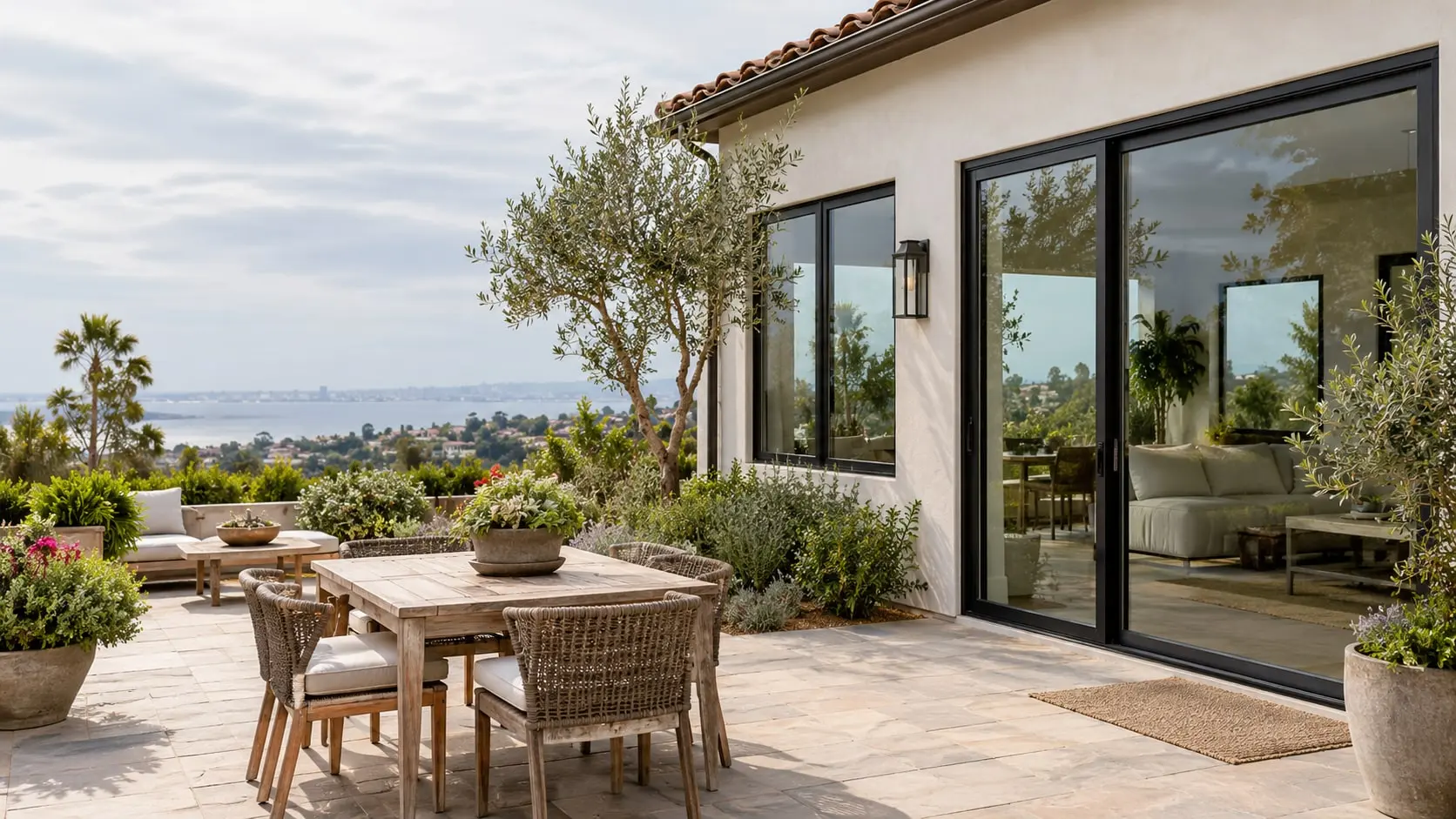
Window installation in San Diego improves comfort, energy efficiency, security, and curb appeal all at once.
Old, drafty, or damaged windows let in noise and heat while driving up your cooling costs, so replacing them is a smart investment for any home. We install a wide variety of styles, including double-hung, sliding, casement, picture, and bay windows, in frames and finishes that complement your home’s architecture. Our team measures precisely, installs each unit level and plumb, and seals every edge to prevent leaks and air infiltration. We work carefully to protect your interior, clean up thoroughly, and complete the job efficiently. You’ll also receive honest recommendations on glass options and performance ratings that make sense for our climate. We also install sliding glass doors and matching front entry doors. Contact us today for a window installation estimate in San Diego.
Replace old, drafty, or damaged windows with modern units that improve insulation and reduce noise, giving your home better comfort and a refreshed appearance from inside and out.
Low-E coatings and multi-pane glass reflect heat, protect furniture from fading, and lower cooling costs, making your home more comfortable throughout San Diego’s sunny months and cooler evenings.
Choose double-hung, sliding, casement, or bay windows to match your home’s architecture, and we help you select frames and finishes that look great and operate smoothly for years.
Building an addition? We install new windows into fresh openings with proper framing, flashing, and sealing, so they perform well and match the rest of your home.
Accurate measurements, level placement, and careful sealing prevent leaks, drafts, and sticking sashes, and our crew takes the time to make every window operate smoothly and look flawless.
We finish each installation with clean casings, caulking, and paint touch-ups, giving your new windows a polished appearance and protecting surrounding walls from moisture and drafts.
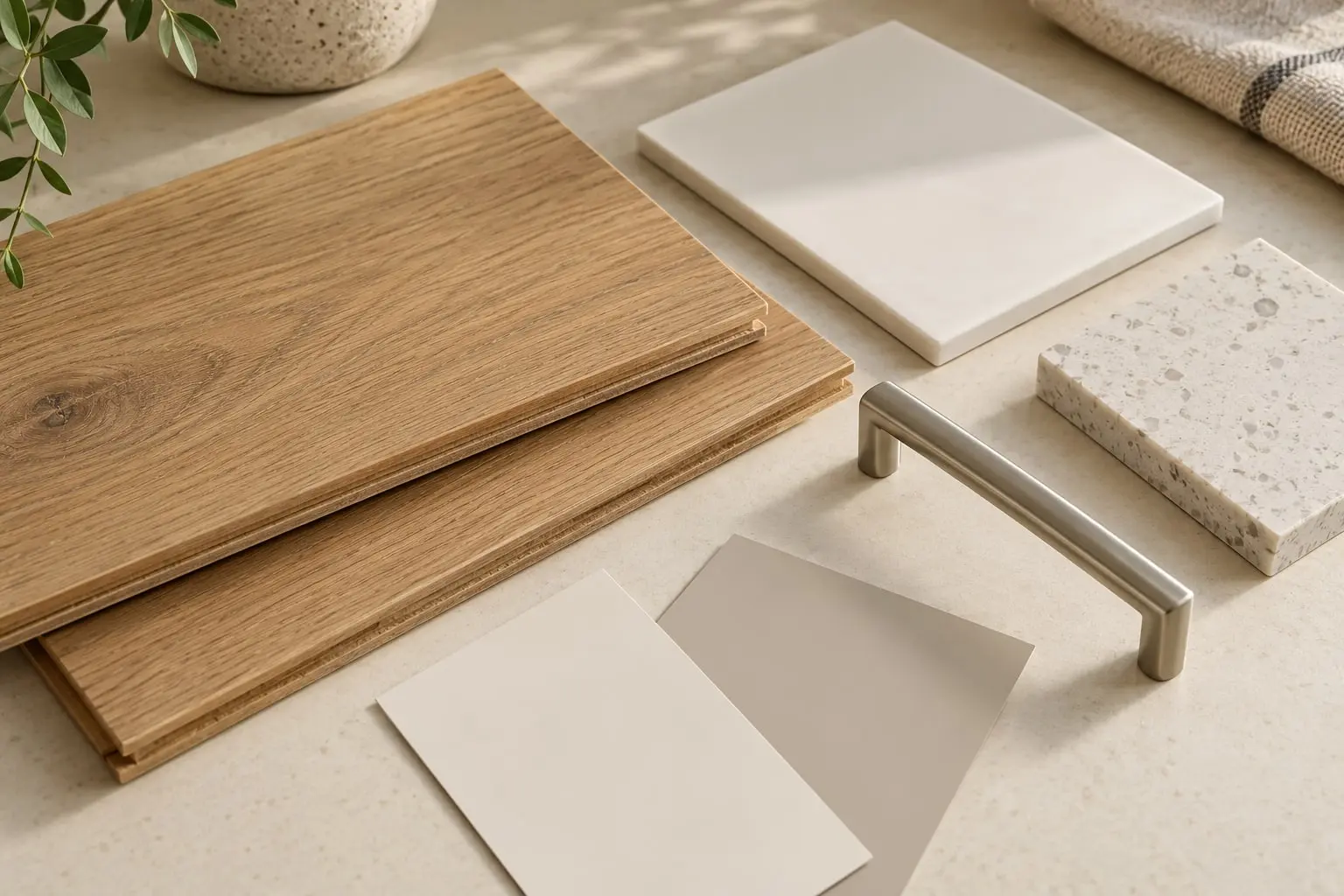
Window work falls into three groups: like-for-like replacement inside the existing opening, full-frame replacement that removes the old frame and trim, and new openings cut into a wall for light or a door.
Sliding doors, bay units and fixed picture windows are all part of the same conversation, since they share glazing and flashing concerns.
Frame material changes both appearance and upkeep. Vinyl is stable and low-maintenance, fiberglass holds its shape in heat, aluminum gives slim sightlines but conducts heat unless thermally broken, and wood is warm but needs finish care.
Black, bronze and white frames each handle sun differently, so ask how the finish performs on west-facing walls.
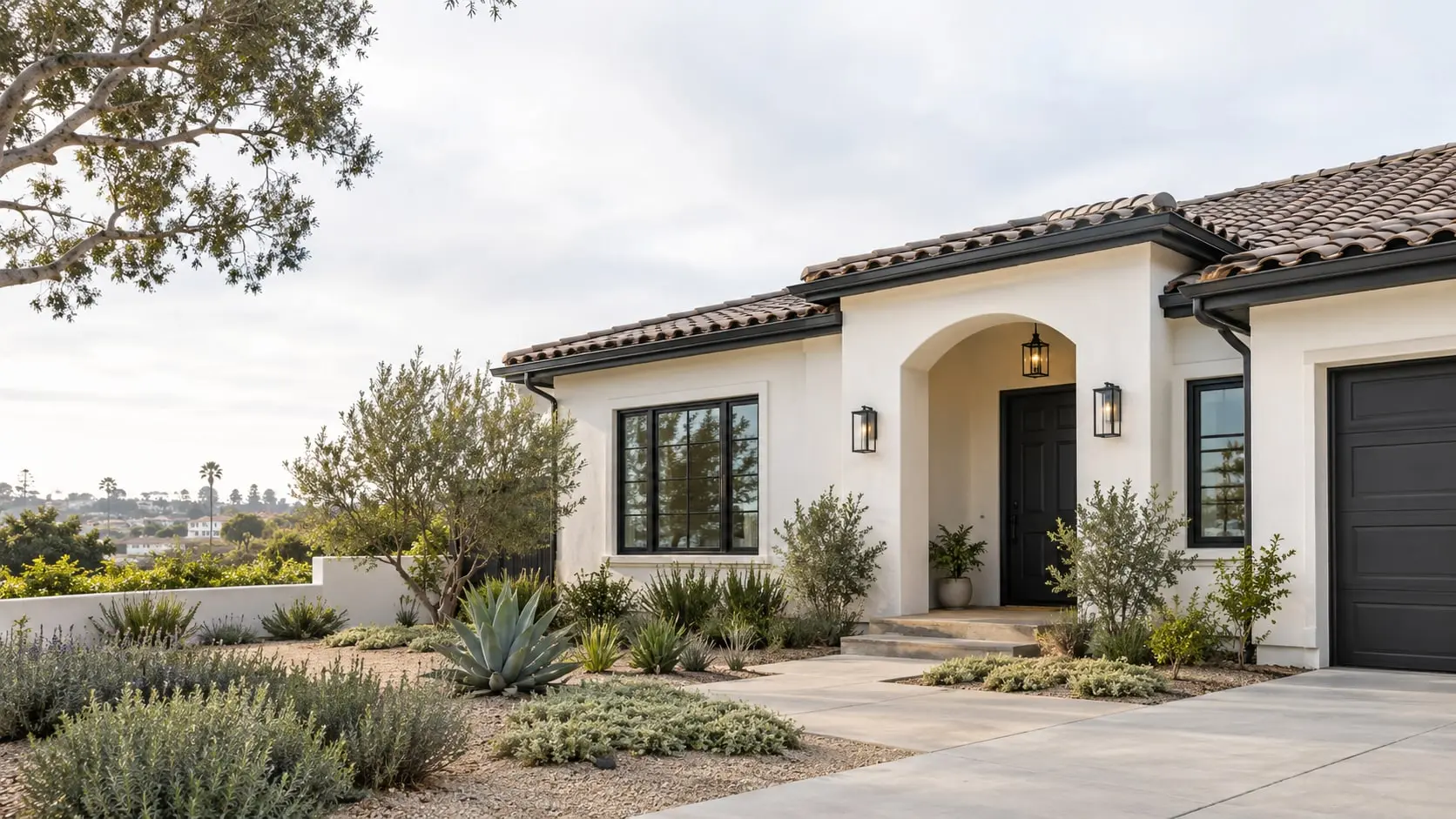
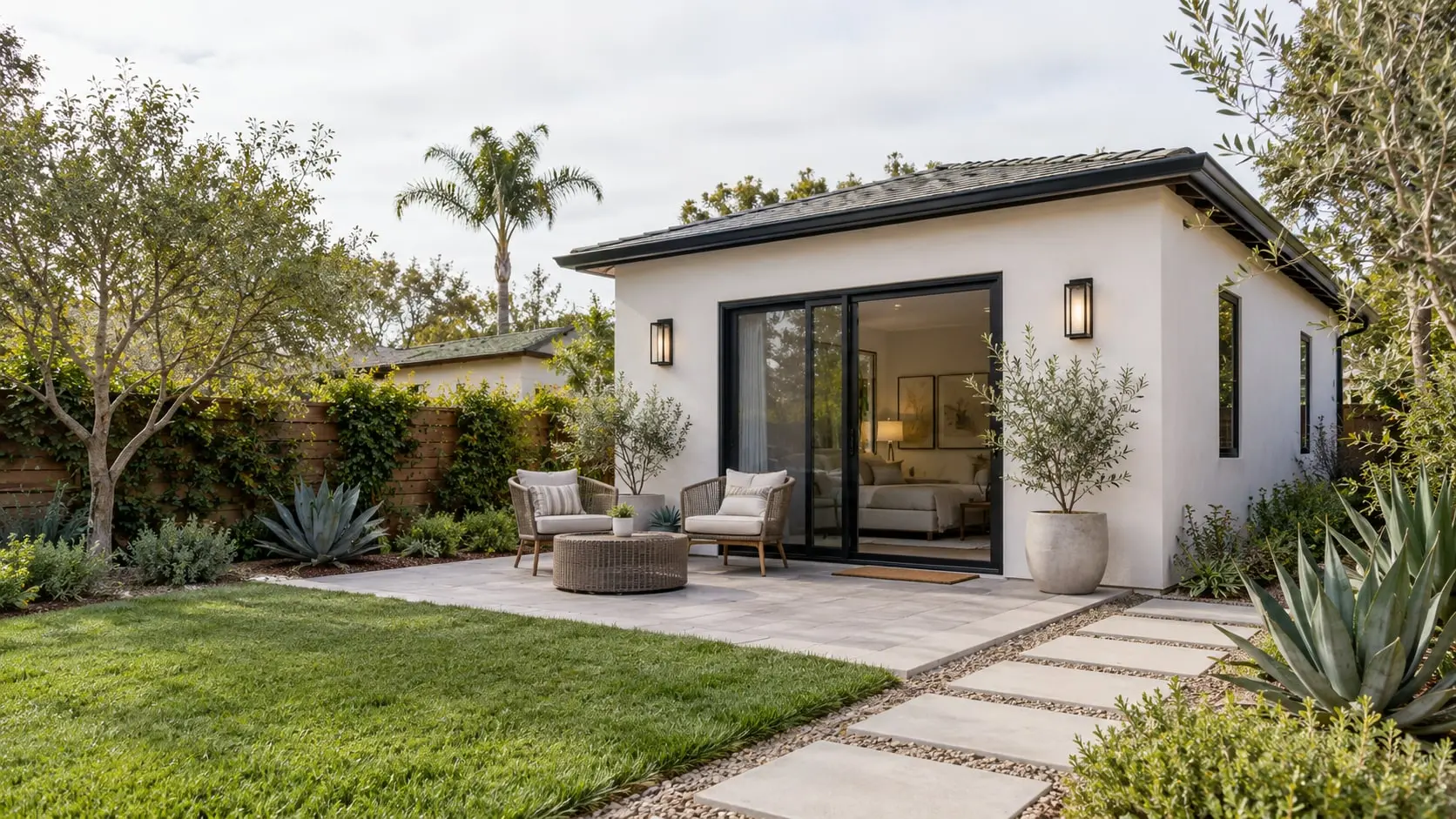
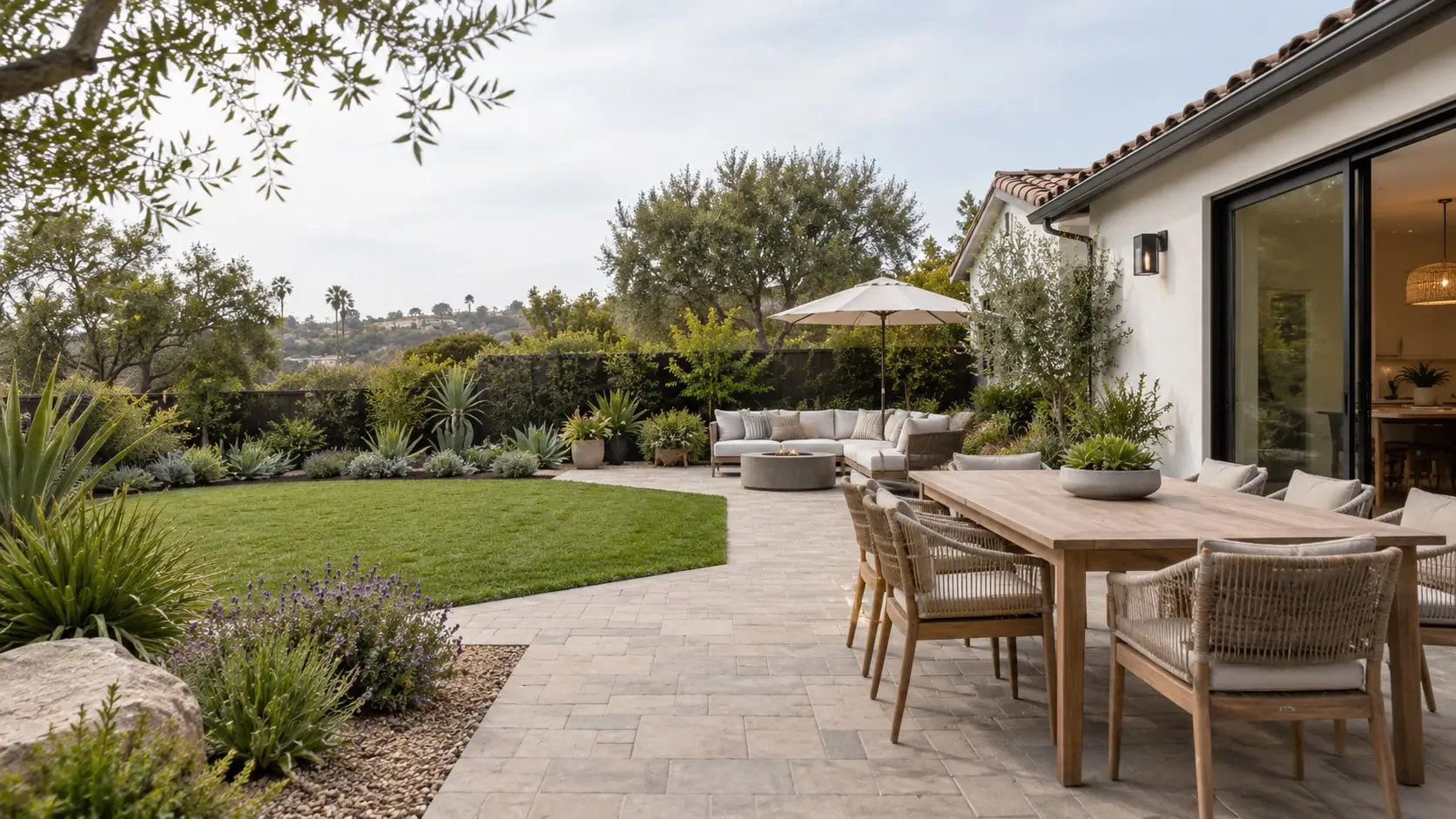
These are the checks worth making before a window order is placed.
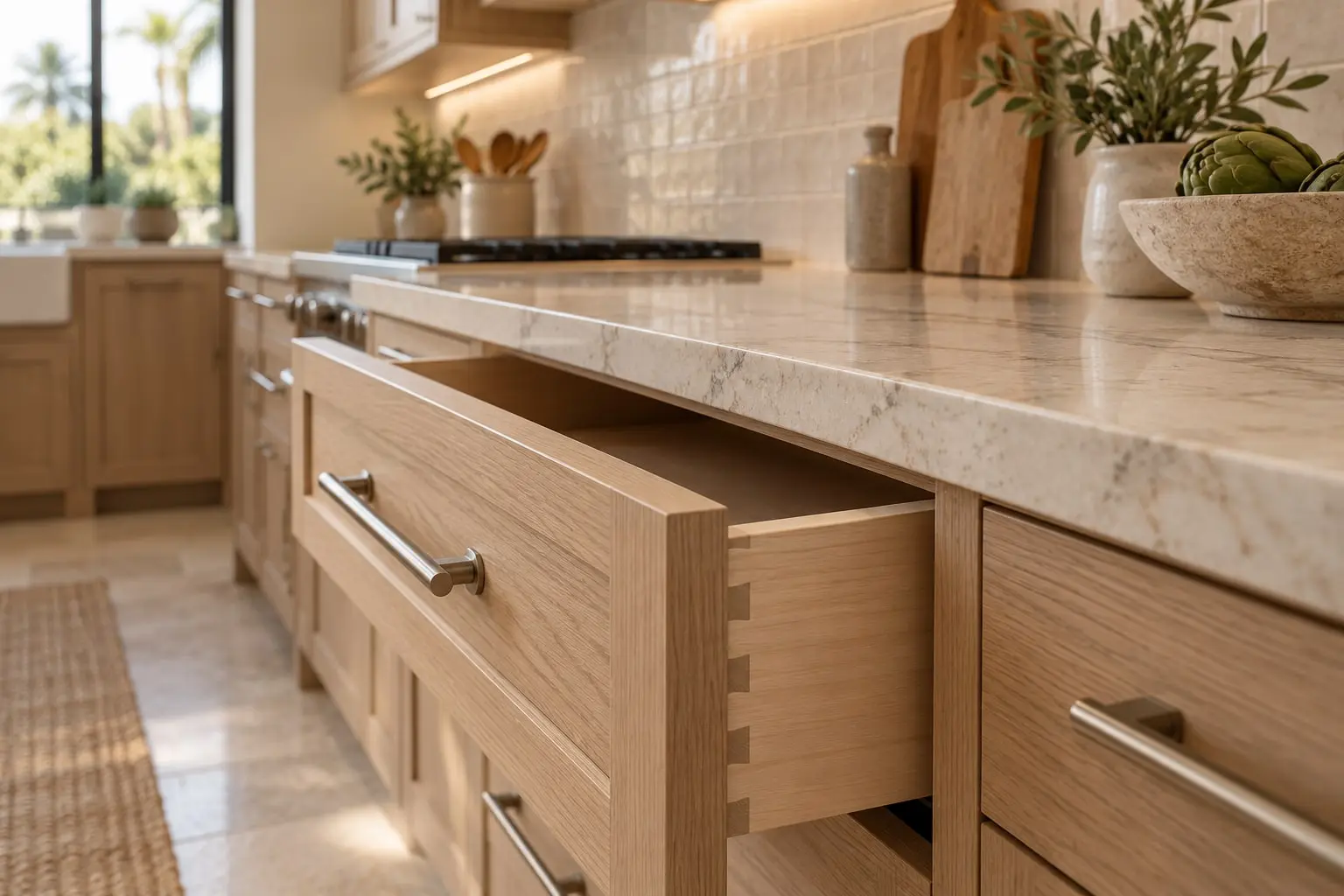
A low-emissivity coating cuts the infrared and ultraviolet that cause heat gain and fade interiors; coatings are tuned for sunny or cool exposures.
Ratings from the National Fenestration Rating Council label the heat transfer and solar heat gain of each unit; in San Diego, solar gain is usually the number that matters more.
Coastal homes should ask about corrosion-resistant hardware and finishes on aluminum and operable parts.
Glass near doors, in large sliders and close to floor level generally has to be tempered. Ask the installer to confirm where.
Sleeping rooms need an opening large enough to exit through in an emergency, which can limit fixed or small-sash choices.
Laminated or double-pane glass of differing thicknesses reduces street and flight-path sound, and obscure patterns help bathrooms.
Late-day sun is the heat problem; low solar-gain glass or exterior shade keeps rooms comfortable without closed blinds.
Salt air attacks hardware first, so choose rated finishes and rinse frames when salt film builds up.
Dual-pane tempered glass and ember-resistant frames are commonly considered where fire hazard maps apply.
Sills, sloped flashing and sealed corners shed water from winter storms that arrive sideways.
Lock hardware, laminated panes and visibility from the sidewalk influence security and privacy.
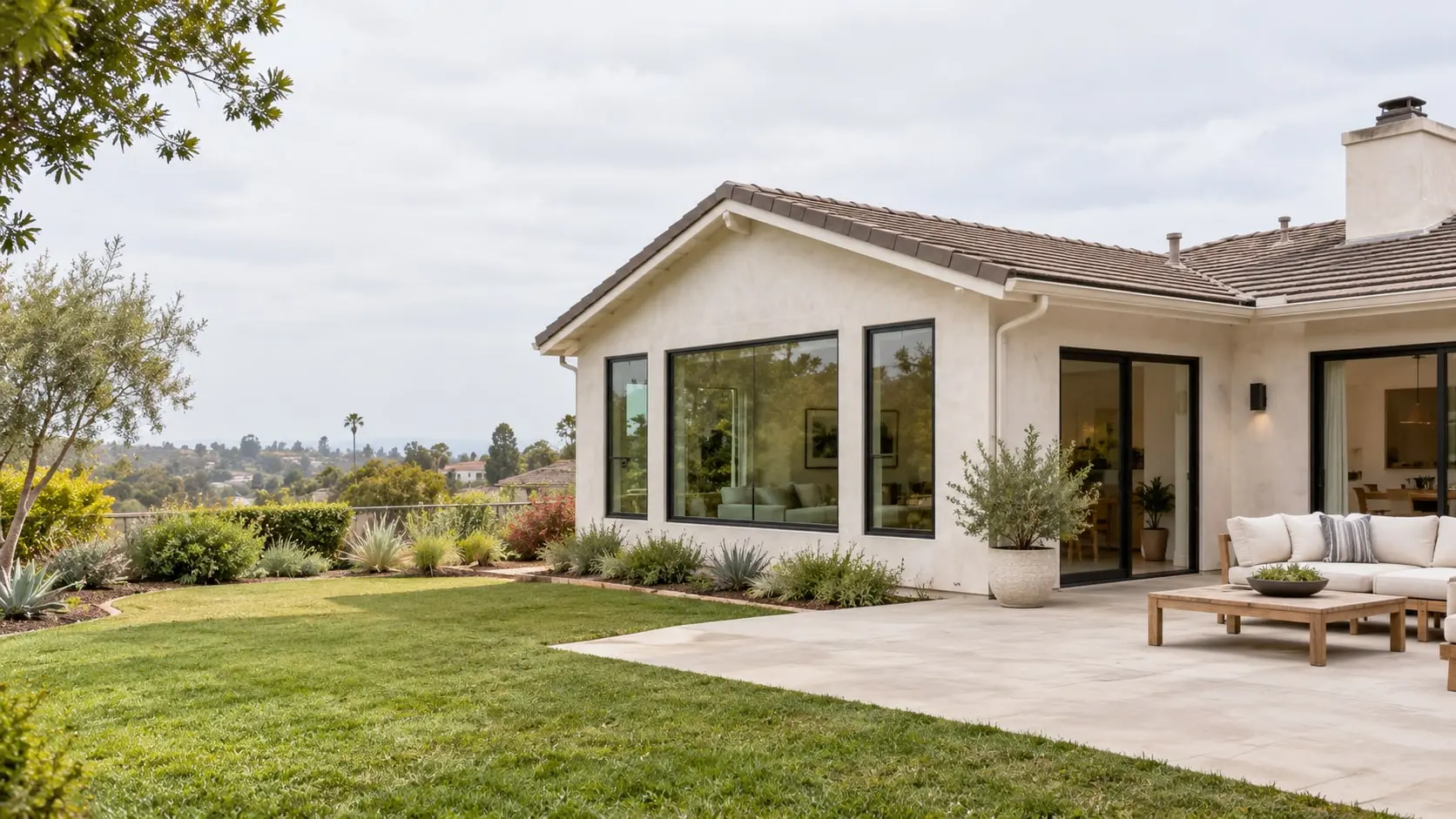
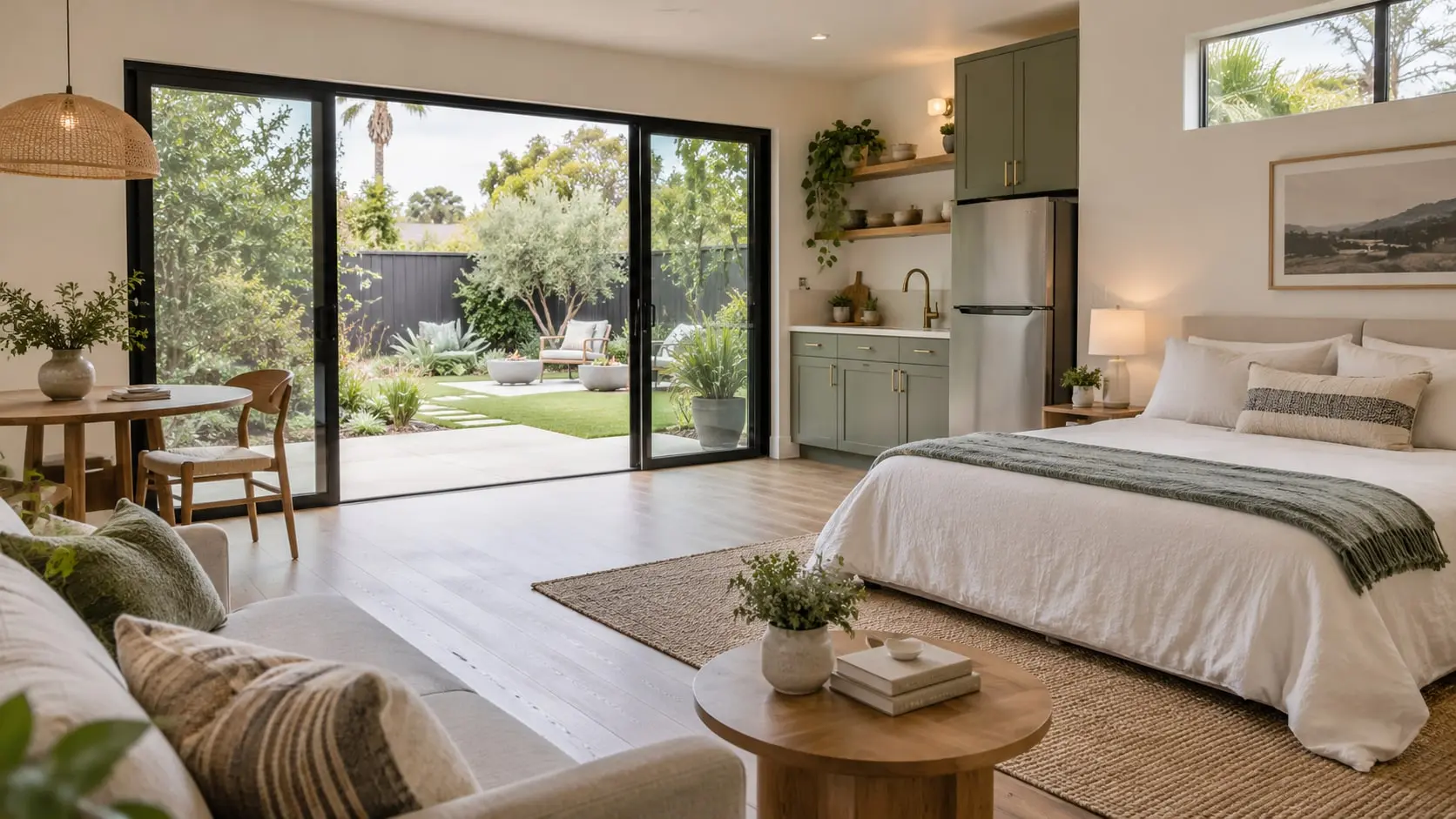
| Type | Strength | Trade-off | Typical placement |
|---|---|---|---|
| Single-hung | Simple, economical to repair | Only half of the opening ventilates | Bedrooms, street sides |
| Horizontal slider | Wide view, easy operation | Track collects debris | Kitchens, family rooms |
| Casement | Seals tightly when closed, full opening | Sash swings out into the yard | Hard-to-reach openings |
| Fixed picture | Most glass area, slim frame | No ventilation | Views and garden walls |
| Sliding glass door | Wide indoor-outdoor opening | Heavy glass, track needs cleaning | Patios and decks |
Size, glazing and frame material change these trade-offs; confirm any rating with the manufacturer's label.
A measured, sequenced install avoids most callbacks to a wall.

Width, height and squareness are taken at several points because stucco and older framing are rarely true.
Replacement of like size often differs from new openings; check with the City of San Diego Development Services Department or your own building department.
Associations often regulate frame color, grid pattern and exterior appearance, so submit specs before ordering.
Custom sizes and finishes take time to manufacture; installation is booked after the units arrive, not before.
Furniture is moved, floors covered, and dust containment set up, since cutting stucco and trim makes fine dust.
Flashing tape, sealant and trim go in a defined order; each opening should be checked for operation and water tightness.

A new window often leaves a patch of exposed lath or fresh plaster around the opening. Matching existing stucco texture is a craft of its own, and fresh patches usually need to cure before being painted.
Planning the stucco patch and the repaint with the window order keeps color and texture consistent across the wall. Gutters and downspouts near the new frames should also be checked so water does not run across them.
Read about exterior paintingClarity before you begin
It depends on the jurisdiction and whether the opening size changes. Like-for-like swaps are treated differently from new or enlarged openings. Check with the building department in your city or the County before ordering.
California's energy code sets requirements for glazing performance in many window projects. The installer or manufacturer label should show the U-factor and solar heat gain so you can confirm compliance.
They can, especially when low-E glass replaces old single-pane or clear dual-pane units on sun-facing walls. Shade, attic insulation and air leaks also shape comfort.
That depends on the number of openings, whether stucco or trim needs repair and how the permit is handled. Ask for a written sequence that separates ordering lead time from on-site work.
Insert-style replacements leave the frame in place and minimize wall damage, though they reduce glass area slightly. Full-frame replacement allows inspection for rot and re-flashing but involves more stucco patching.