Walls and Ceilings
We apply smooth coats on walls and ceilings using quality paint, producing consistent color, clean coverage, and a refreshed look that brightens every room in your home.

Service guide / San Diego
Plan interior painting in San Diego: surface prep, sheen and color choices, low-VOC and ventilation, sequencing with other trades, and finish care.
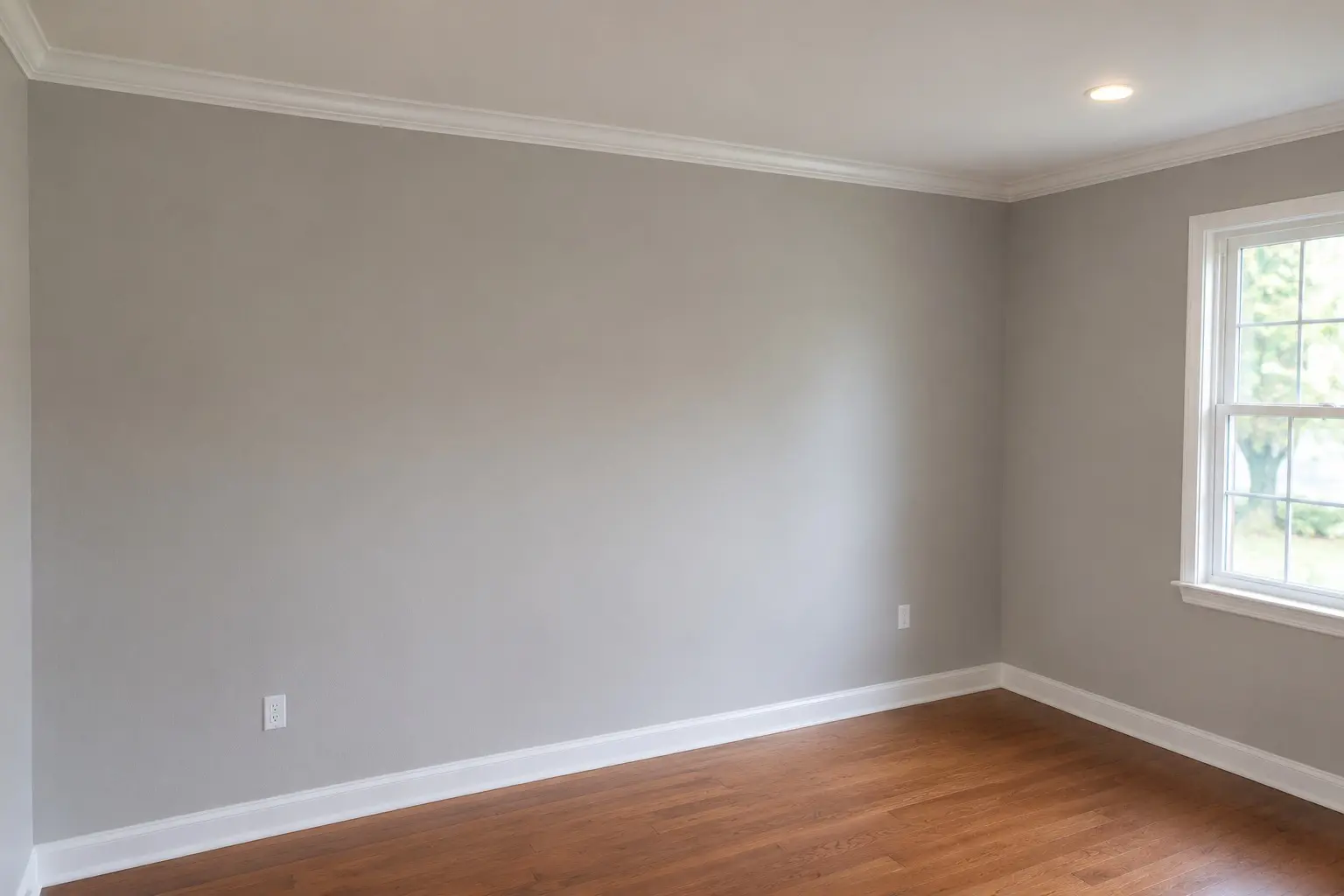
Interior painting in San Diego is a fast, affordable way to refresh your home and completely change how each room feels.
Our professional painters protect your floors and furniture, repair cracks and nail holes, sand rough areas, and prime surfaces before applying a single coat. We paint walls, ceilings, trim, doors, and cabinets using high-quality products that deliver smooth coverage, rich color, and a durable finish. Our team can help you choose colors and sheens that complement your lighting, furnishings, and personal style. We work cleanly, keeping disruption low and completing each project on schedule. Whether you’re updating a single room, preparing a house for sale, or repainting your entire home, you can count on crisp lines and careful workmanship. We also offer accent walls and cabinet refinishing. Contact us today for a free interior painting estimate in San Diego.
We apply smooth coats on walls and ceilings using quality paint, producing consistent color, clean coverage, and a refreshed look that brightens every room in your home.
Baseboards, crown molding, window casings, and doors receive sanding and crisp finishing, giving your rooms a polished, detailed look that complements wall colors and lasts for years.
Refinish tired kitchen or bathroom cabinets with durable, professional-grade coatings, giving them a fresh look at a fraction of replacement cost while preserving your existing layout and hardware.
We fill holes, repair cracks, sand rough areas, and prime surfaces thoroughly, because proper prep is key to a flawless finish that resists peeling, staining, and early wear.
Not sure what shade to choose? We help you select colors and sheens that suit your lighting, furniture, and style, so you feel confident about the final look.
Our painters cover floors and furniture, tape carefully, and clean up thoroughly each day, minimizing household disruption and leaving your home tidy when the project is finished.
Painting scopes vary from a single room to every surface in the house.
The simplest refresh, usually limited to a few rooms. Existing trim and ceilings stay as they are.
A full-room repaint covers ceilings, baseboards, casings and doors. The result reads as one clean, finished space.
Every interior surface is prepared and painted in a planned order, often paired with flooring or remodel work.
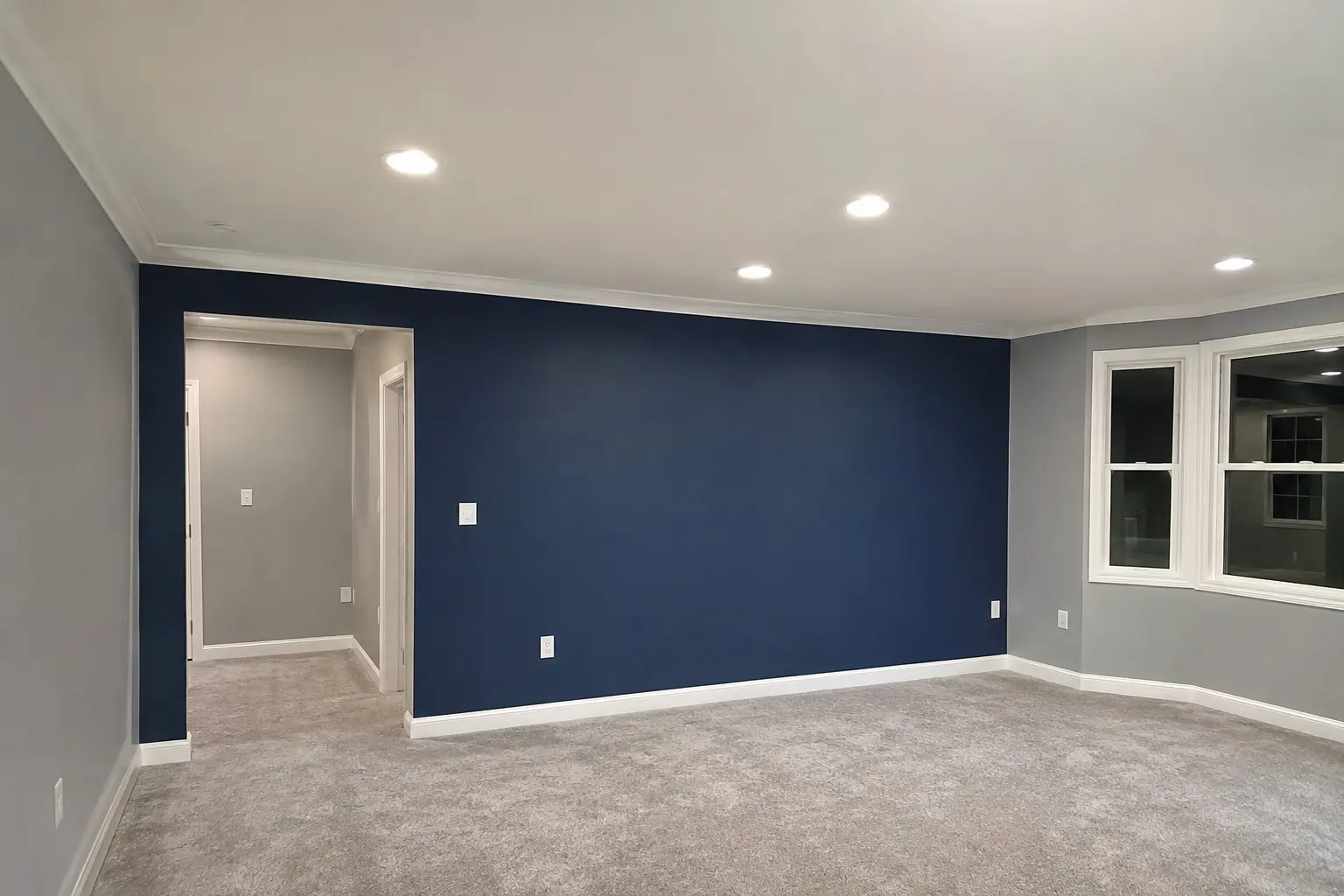
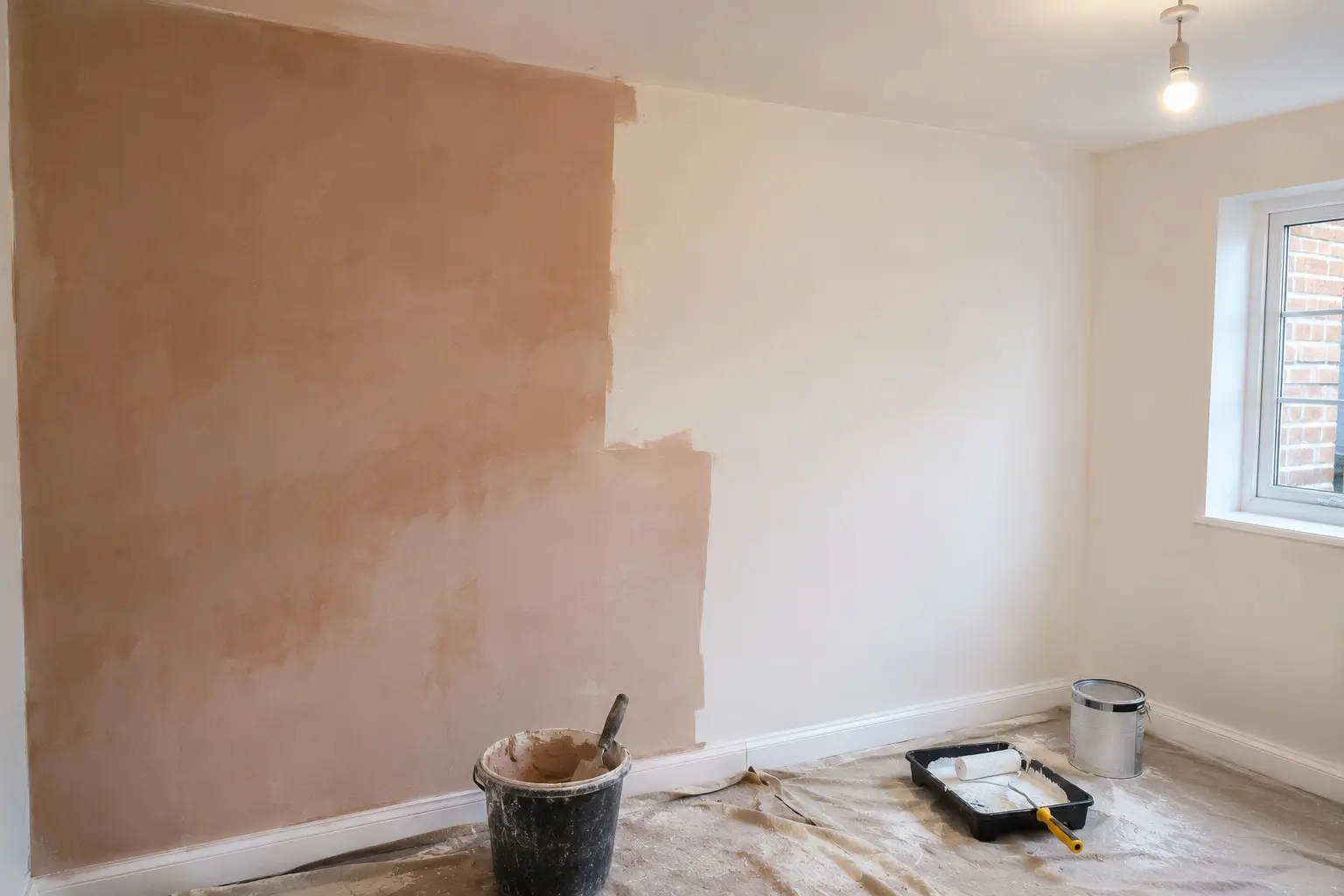
Walls get cleaned, holes filled, cracks opened and patched, and glossy areas dulled so new paint can bond. Stains from water, smoke or marker are sealed with a stain-blocking primer before color goes on.
Patched areas need spot priming, or they flash through the topcoat with a different sheen.
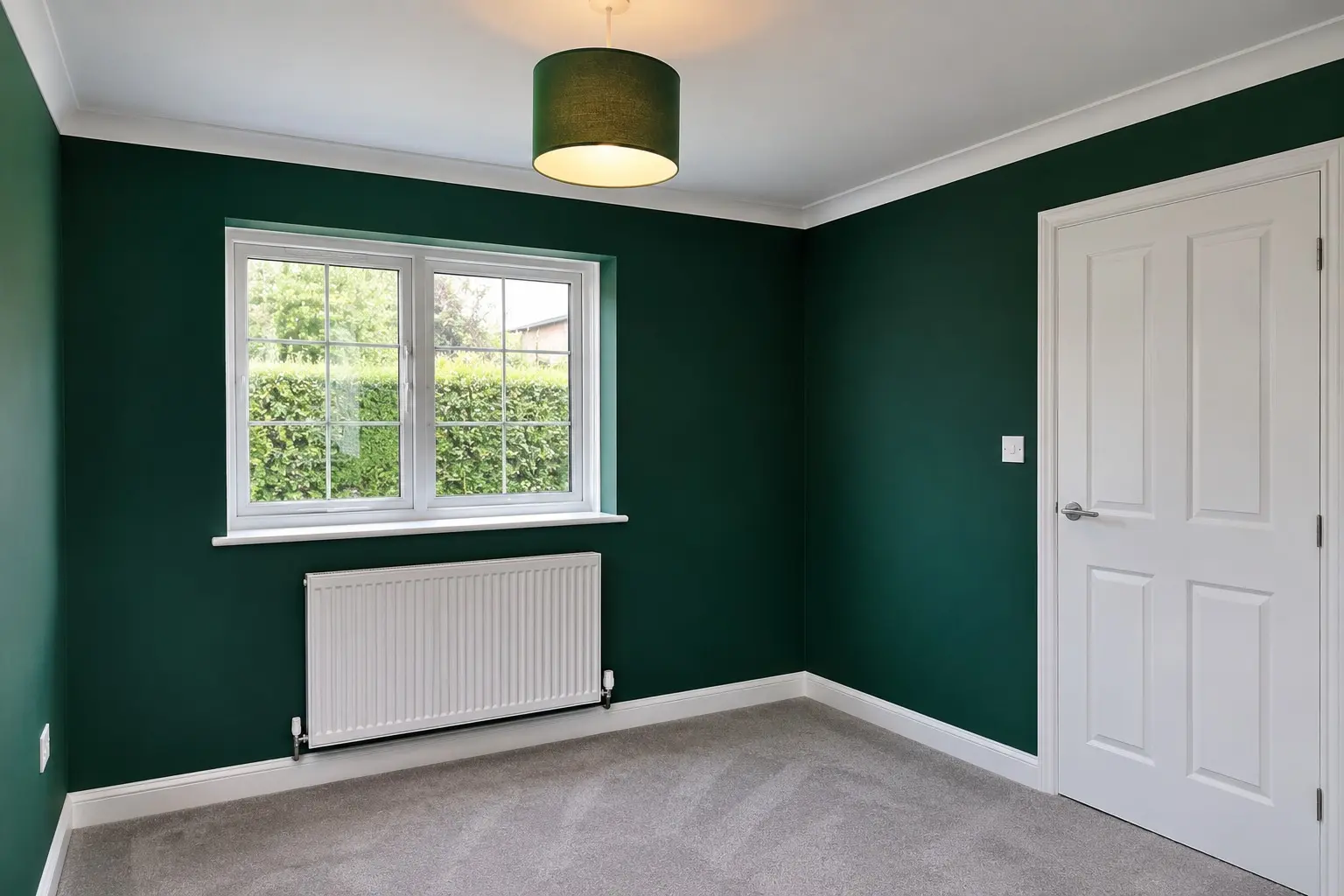
Flat hides wall flaws in ceilings and low-traffic rooms, matte and eggshell suit living spaces, and satin or semi-gloss resist moisture and cleaning in kitchens, baths and trim.
Brush large samples on two walls, then check at morning, midday and evening. Light direction can turn the same paint warmer or cooler.
Deep tones look rich but show roller marks, need more coats, and make touch-ups harder. A tinted primer helps coverage.
Whites carry undertones from cool blue to warm cream. Compare them against your flooring, countertops and daylight rather than in isolation.
A flat white ceiling is standard, but a slightly tinted version of the wall color can soften a room with high contrast trim.
Product type matters as much as color for durability and indoor air quality.
The usual choice for walls and ceilings, with lower odor and quick drying. Good for occupied homes and bedrooms.
Harder-curing paints give a smoother, tougher surface on doors, cabinets and baseboards that get touched and bumped.
Stain-blocking, bonding and mildew-resistant products address specific problems like water marks or glossy surfaces.
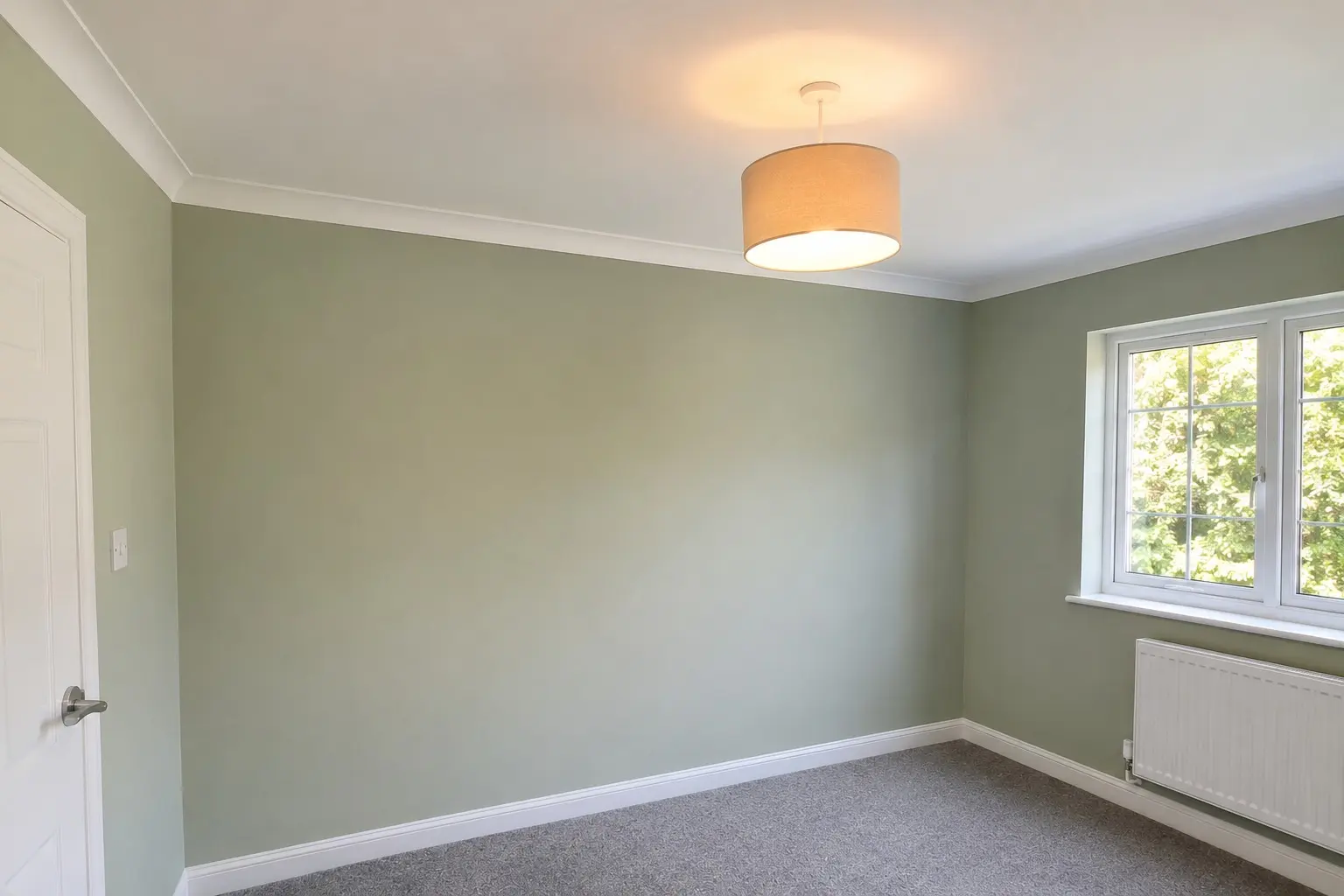
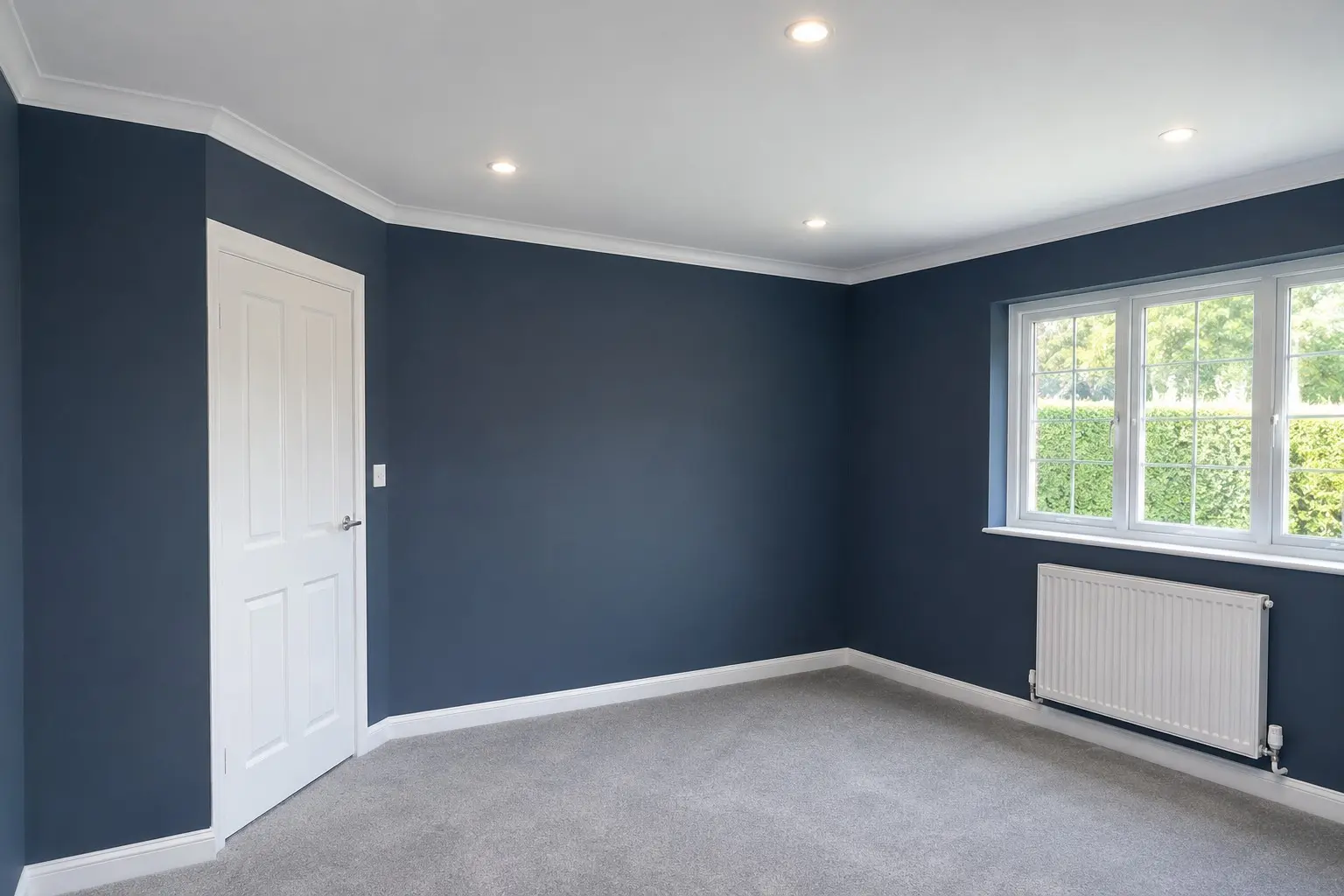
San Diego rooms often borrow color from outside: sage from garden planting, sand from stone, soft blues from the marine layer. Pulling one of those into a wall color connects the interior to the yard.
Wall texture also affects the finish. Smooth walls show reflected light evenly, while heavy orange peel or knockdown hides flaws but needs more paint.
Homes built before 1978 may have lead-based paint. Testing before sanding or scraping determines whether lead-safe work practices are required.
Furniture is moved to the center and covered, or removed entirely. Floors, hardware and fixtures are masked or taken off.
Patches, cracks and stains are fixed and spot-primed first. Walls are cleaned so paint grips.
Edges at ceilings and corners are brushed first, then rolled while the edge is wet to avoid visible lap marks.
Following each product's recoat window keeps coats bonding properly; humid days can lengthen drying.
Open windows and run fans while painting, and keep the room aired afterward, especially for sleeping areas.
Check in raking light for missed spots, remove masking carefully and set aside leftover paint labeled by room.
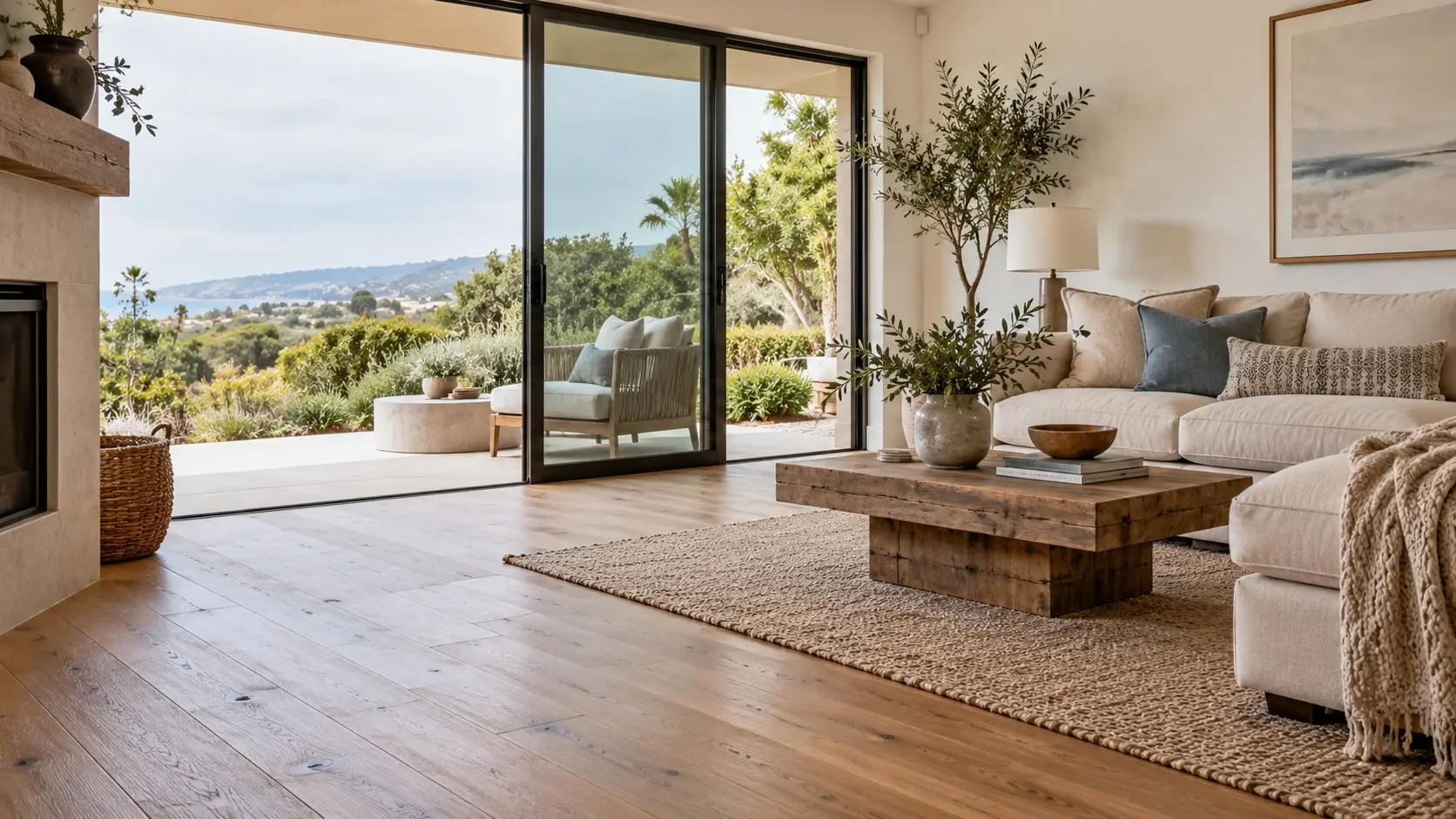 Flooring installation Painting before final floors protects new surfaces from drips, while baseboards and touch-ups follow after installation.
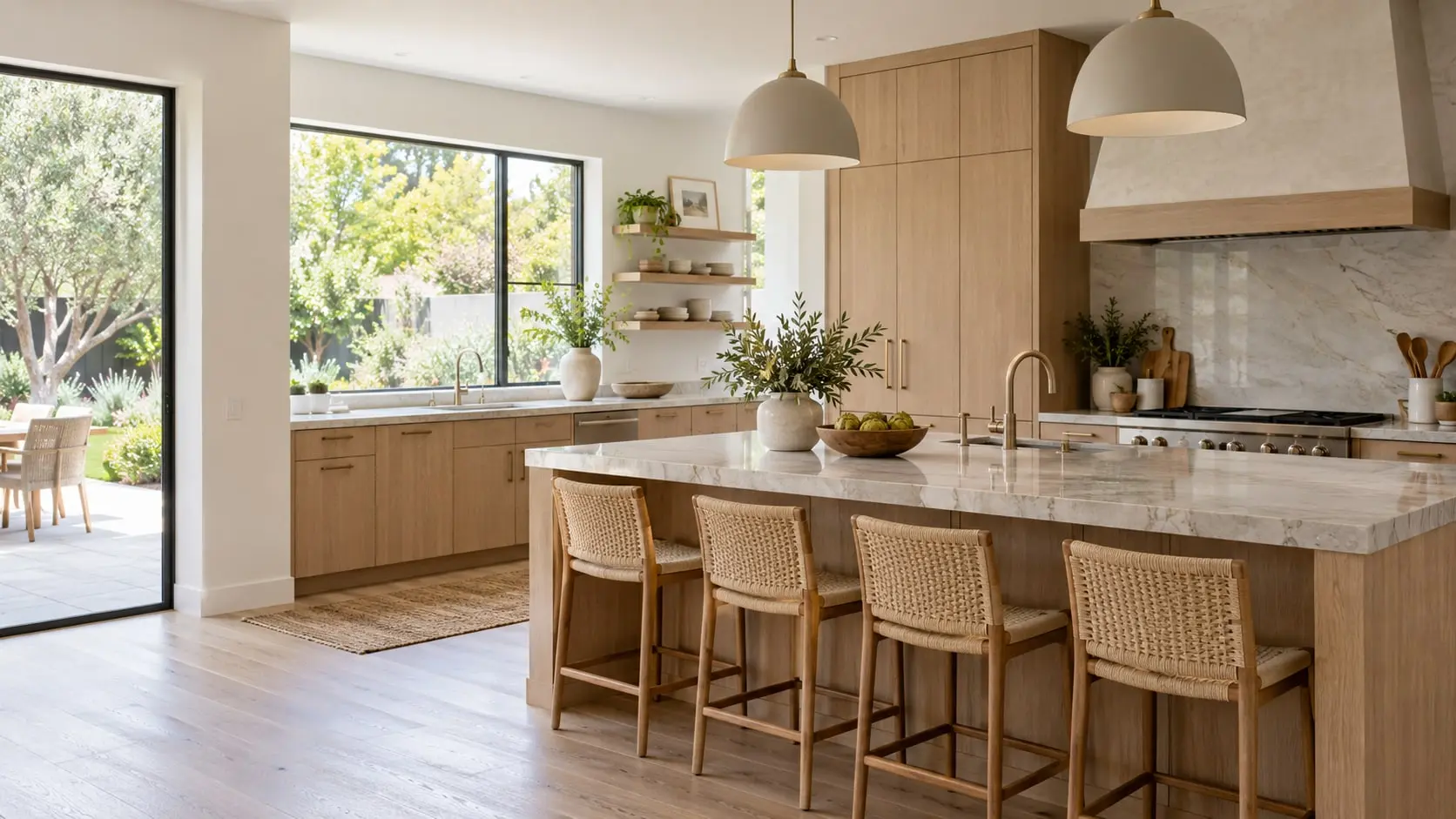 Kitchen remodeling Cabinet and tile work should finish first, with a final paint pass for walls, trim and touch-ups once dust is gone.
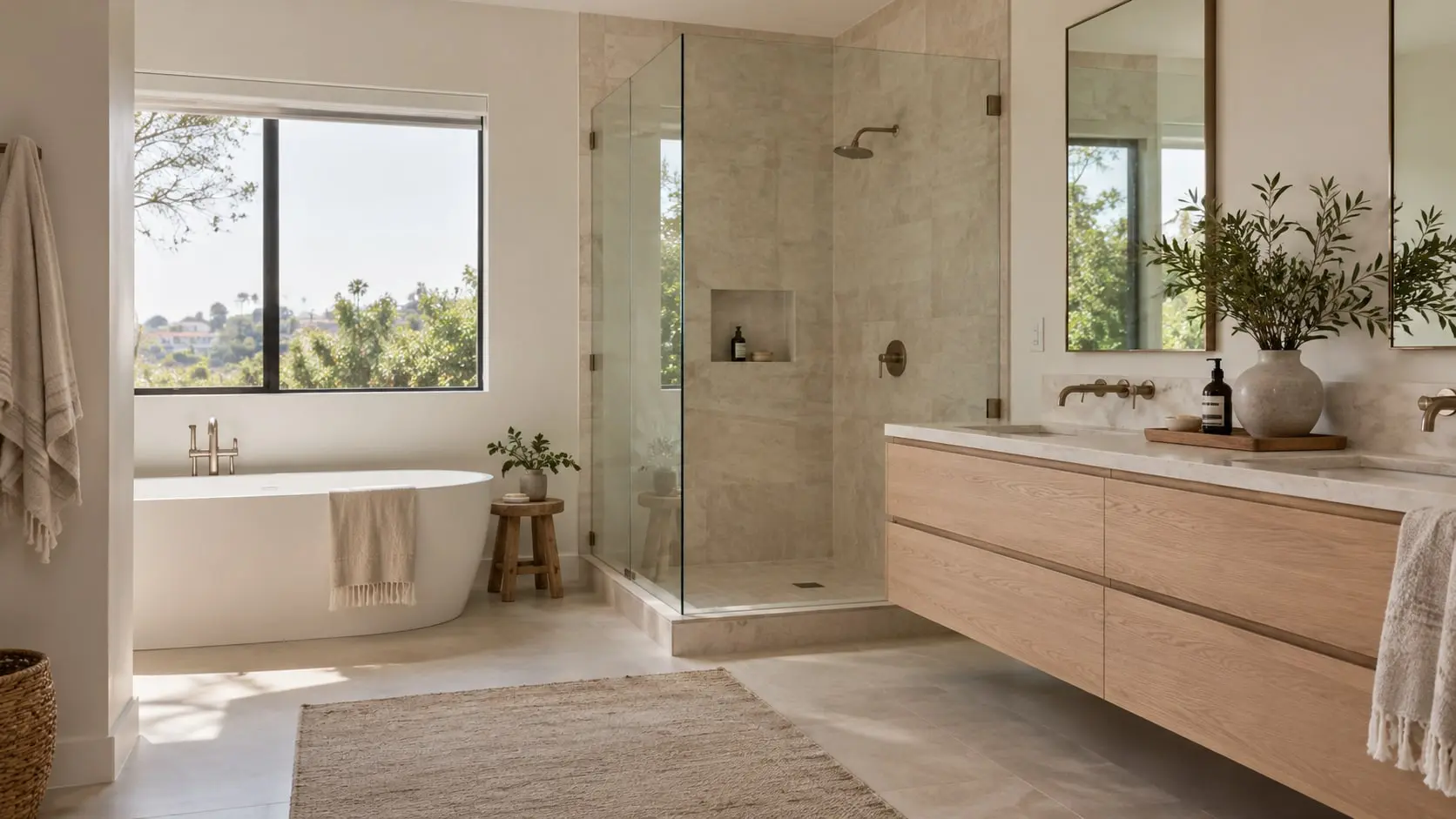 Bathroom remodeling Moisture-rated paint and a working fan prevent peeling and mildew in steamy rooms.
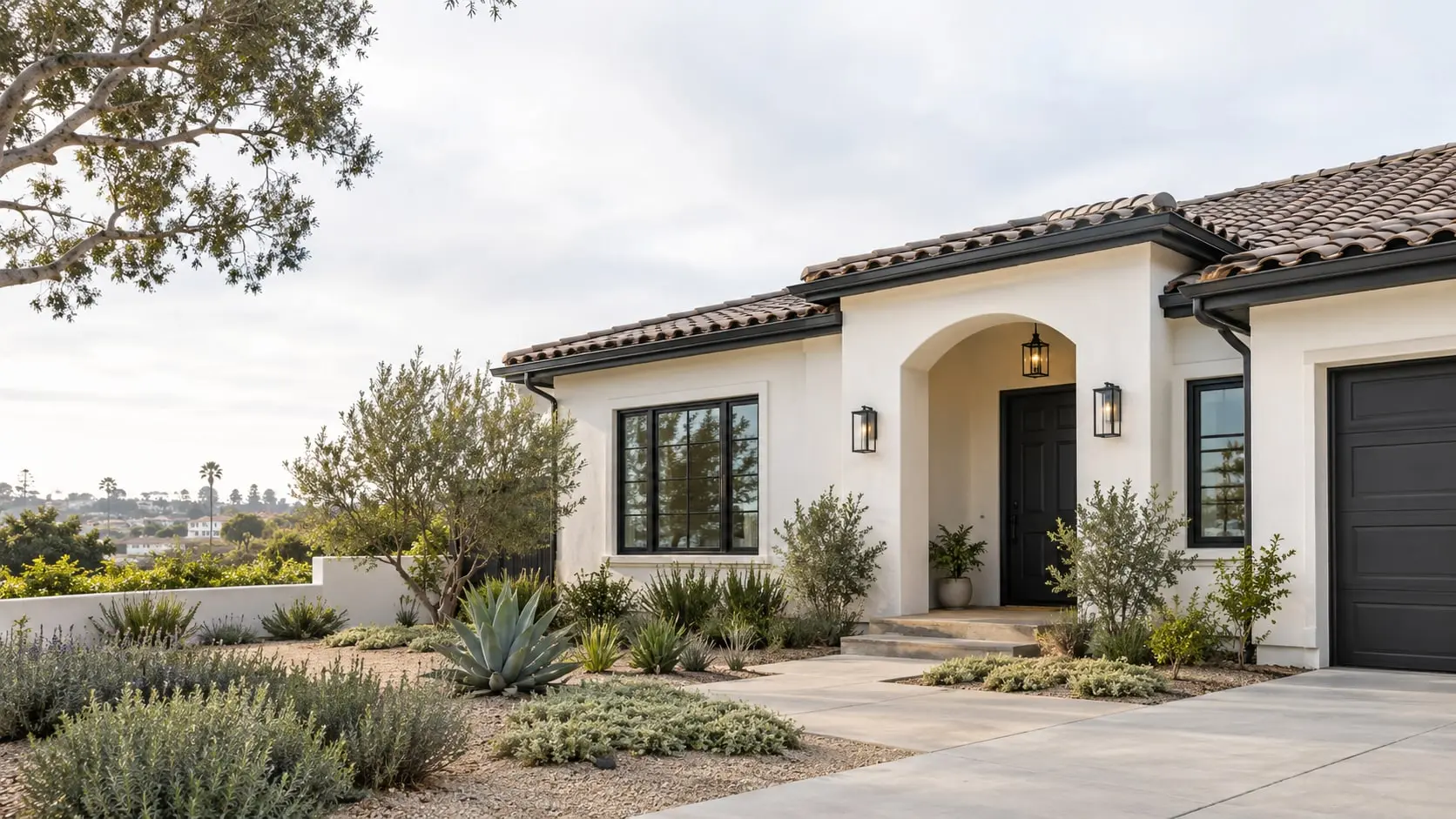 Exterior painting Planning inside and outside colors together keeps window frames, doors and visible trim consistent.
Use a washable satin or semi-gloss near the range and sink, since grease and steam break down flat paint quickly.
Pick moisture-resistant paint in satin or semi-gloss and keep the fan running, otherwise condensation will cause peeling.
Low-sheen, low-odor products suit sleeping areas, and calm tones work with natural light.
High-traffic walls benefit from scuff-resistant eggshell or satin that wipes clean.
A dead-flat finish minimizes glare and hides small imperfections, especially under recessed lighting.
Clarity before you begin
Usually a primer where needed and two finish coats. Big color changes, dark colors, or bare patches often need extra coverage, so ask how coats are counted.
Usually yes with low-VOC products and open windows, though sensitive people, pets and infants may want to stay elsewhere during the strongest-odor period.
It depends on the floor. Many projects paint first and then install flooring and baseboards, but if floors are already finished, thorough covering is essential.
Not for ordinary repainting. Lead-safe work rules apply when disturbing paint in older homes, and HOA or building rules may govern shared walls in condos.
It depends on the product, the room and how it is used. Kitchens and entries wear out sooner than bedrooms, and scrubbing flat paint shortens its life.