Roof Repair
We locate and fix leaks, damaged shingles, cracked tiles, and failing flashing quickly, preventing water intrusion and extending the life of your existing roof before bigger problems develop.

Service guide / San Diego
Plan a roof repair or replacement in San Diego: clay and concrete tile, composition shingle, underlayment, fire rating, venting, flashing and a clear sequence.
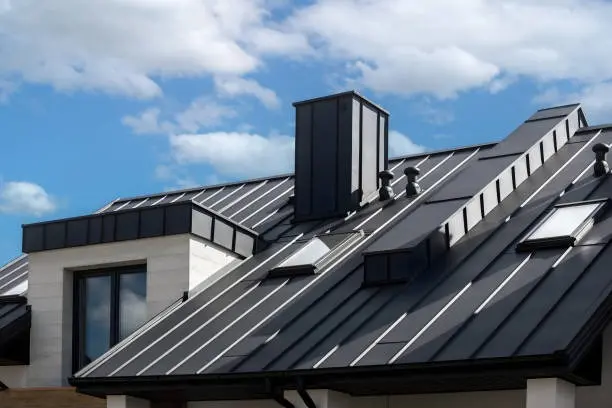
Roofing in San Diego demands materials and workmanship that can stand up to intense sun, coastal moisture, and occasional heavy storms.
Our roofing team provides repairs, full replacements, and new installations, using trusted shingle, tile, and flat roof systems suited to your home. We begin with a thorough inspection to identify leaks, damaged flashing, worn underlayment, and ventilation problems, then recommend the most cost-effective solution. Every roof we install is built with careful attention to detail, from proper decking and waterproofing to clean edges and secure fasteners. We protect your landscaping, remove debris, and leave your property tidy. A quality roof protects everything beneath it and improves your home’s appearance and value. We install gutters and skylights as well. Contact us today to schedule a roofing inspection and receive a clear, honest estimate for your roofing project in San Diego.
We locate and fix leaks, damaged shingles, cracked tiles, and failing flashing quickly, preventing water intrusion and extending the life of your existing roof before bigger problems develop.
When repairs stop working, we remove worn materials and install a new roof system with quality underlayment, flashing, and ventilation designed for lasting protection against sun and storms.
Tile roofs are popular across Southern California for durability and style, and our crew installs and repairs them carefully, ensuring proper support, spacing, and waterproofing under every piece.
Modern asphalt shingles provide dependable protection in many colors, and we install them with precise nailing, quality underlayment, and clean ridge lines that improve curb appeal and performance.
We install and repair flat and low-slope roofs using membranes, seam work, and proper drainage, helping prevent ponding water and leaks on additions, porches, and modern homes.
Regular inspections catch small problems early, and our team documents conditions, recommends practical fixes, and helps you plan maintenance so your roof keeps protecting your home longer.
Types of roof work
Roof work ranges from small repairs to complete tear-offs, and the right scope depends on what the layers underneath are doing.
Cracked tile, lifted shingle or a failed flashing can be fixed locally when the underlayment is still sound.
On tile roofs, tile is lifted and set aside, the underlayment is replaced, and the same tile is re-laid.
Old roofing is stripped to the deck, damaged sheathing is replaced, and a new system is installed.
Light-colored or specially coated surfaces reduce heat transfer into the attic on sunny exposures.
Class A rated assemblies and ember-resistant vents are common considerations in wildfire-risk areas.
| Material | Why it fits San Diego | Watch for | Weight and structure |
|---|---|---|---|
| Clay tile | Suits Spanish and Mediterranean styles; handles sun and heat well | Broken tiles from foot traffic; underlayment ages beneath it | Heavy; framing must support it |
| Concrete tile | Wide profiles and colors at a lower weight than clay in some cases | Surface color can fade; same underlayment concerns | Heavy; check engineering for conversions |
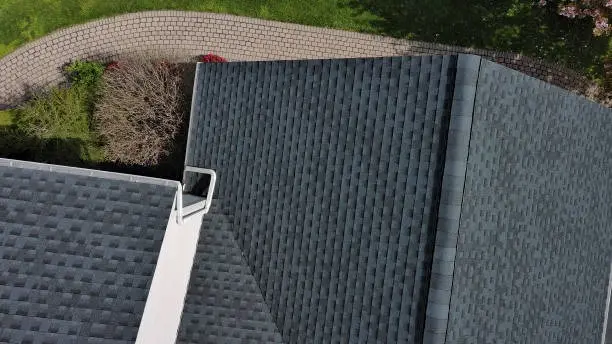
| Composition shingle | Common on tract homes; quick to repair | Heat can shorten life on dark colors; granule loss | Light; often goes over old layers only where code allows |
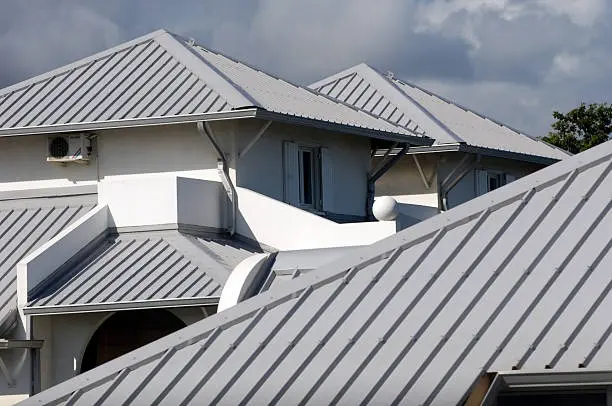
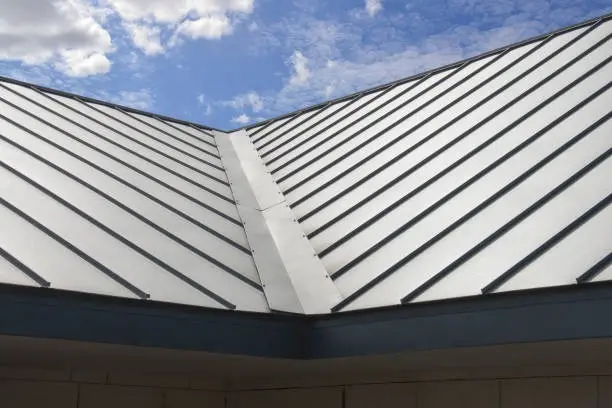
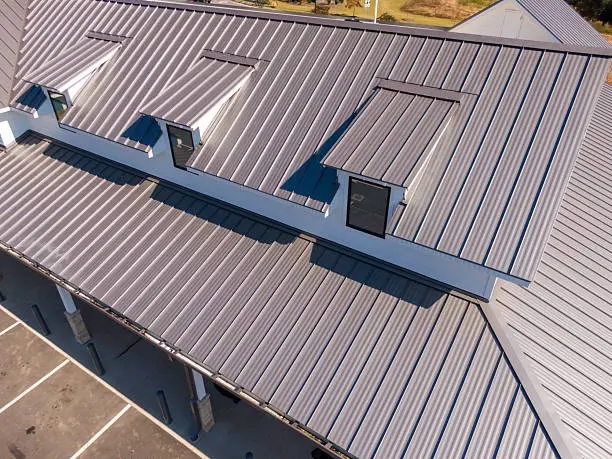
| Standing-seam metal | Sheds water fast, reflects heat, noncombustible | Oil-canning, expansion noise, fastening details | Light; needs correct underlayment |
| Flat or low-slope membrane | Used on modern or addition roofs | Ponding at seams and drains | Light; requires drainage planning |
Roof type, pitch and local code determine which of these are available for your house.
Decisions that affect how a roof performs once the old one is off.
The underlayment is the true waterproofing layer on tile roofs. Ask which type is used, how it is lapped and how it is fastened.
Many assemblies are rated Class A; confirm the full assembly, not just the surface, is rated.
Valleys, chimneys and wall joints should get new flashing, not reused metal, and coastal homes benefit from corrosion-resistant types.
Rotted or delaminated plywood found after tear-off must be replaced before new roofing is installed.
Intake and exhaust vents balance attic heat; where embers are a concern, vents with fine metal mesh are commonly specified.
Switching from shingle to tile adds substantial weight, which may require structural review.
A hip roof with long eaves handles wind differently than a gabled addition, and a low-slope section over an entry or ADU has its own drainage needs.
Roof lines also set where gutters, solar panels and skylights can go, so those choices are worth sketching before the roof is opened.
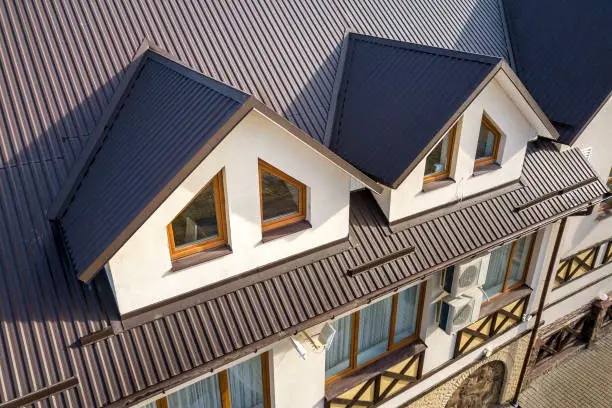
If the leak traces to a single flashing or a few broken tiles and the underlayment and deck are sound, a local repair is often reasonable.
Because the underlayment beneath ages out first. Once it hardens or tears, water gets through even where tile is whole.
Sometimes, where code permits one overlay and the deck is flat and dry. A tear-off lets you inspect the deck and is usually recommended.
Look for widespread granule loss, curling or cracking shingles, slipped tiles, rusted flashing and ceiling stains after rain.
Some companies that cover or finance homes ask for roof age or condition reports. Ask them what documentation they want so the work and paperwork match.
A dark roof absorbs heat all summer, Santa Ana gusts lift edges that were poorly fastened, and embers settle into valleys, vents and gutters. Material, fastening pattern and detail work all contribute.
Roof surface, attic underside, flashings and decking are checked, and each plane is measured for materials.
Reroofs generally need a permit. Check with the City of San Diego Development Services Department or your local building department, and with your HOA.
Landscaping, patios and windows are covered, and drop zones for debris are set up before tear-off.
Old roofing comes off in sections that can be covered the same day, and bad sheathing is replaced.
Underlayment, flashings, vents and roofing go on in order, with penetrations sealed and ridges finished.
Magnetic sweeps for nails, final walkthrough, and a check of gutters and downspouts close out the work.
Confirm whether flashing, vents, fascia repair, ridge caps and decking replacement are included or priced separately.
Ask how an open roof is protected if rain is forecast, since winter storms can arrive quickly.
Know where dumpsters and materials will sit, and how driveways, pavers and planting are protected.
Clarify who pulls the permit and who schedules the inspections.
Ask for a written description of the materials installed so you have a record for resale and any future claim.
Clarity before you begin
It depends on the material, the quality of installation and exposure to sun and salt air. Tile can outlast its underlayment, which is why inspection of the layers beneath matters more than age alone.
Most reroofs do. Requirements vary by city, so check with the City of San Diego Development Services Department or your local building department before work starts.
Yes, and it is easier to coordinate the two. Plan panel locations, conduit and any roof penetrations so flashings are installed once, rather than redone.
Class A is the highest fire-resistance rating for roof coverings. Tile and many metal systems qualify, and some shingles do as part of a tested assembly. Confirm the whole assembly rating.
It can help. Noncombustible roofing, ember-resistant vents and clean gutters reduce the ways embers can ignite a house, though no roof makes a home fireproof.