Landscape Design
We create a layout that balances plants, pathways, hardscape, and open space, giving your yard clear style and function that suits your home, lifestyle, and San Diego climate.

Service guide / San Diego
San Diego landscaping planning: climate-appropriate plants, efficient irrigation, fire-resistant planting zones, soil prep, and coordinating beds with hardscape.
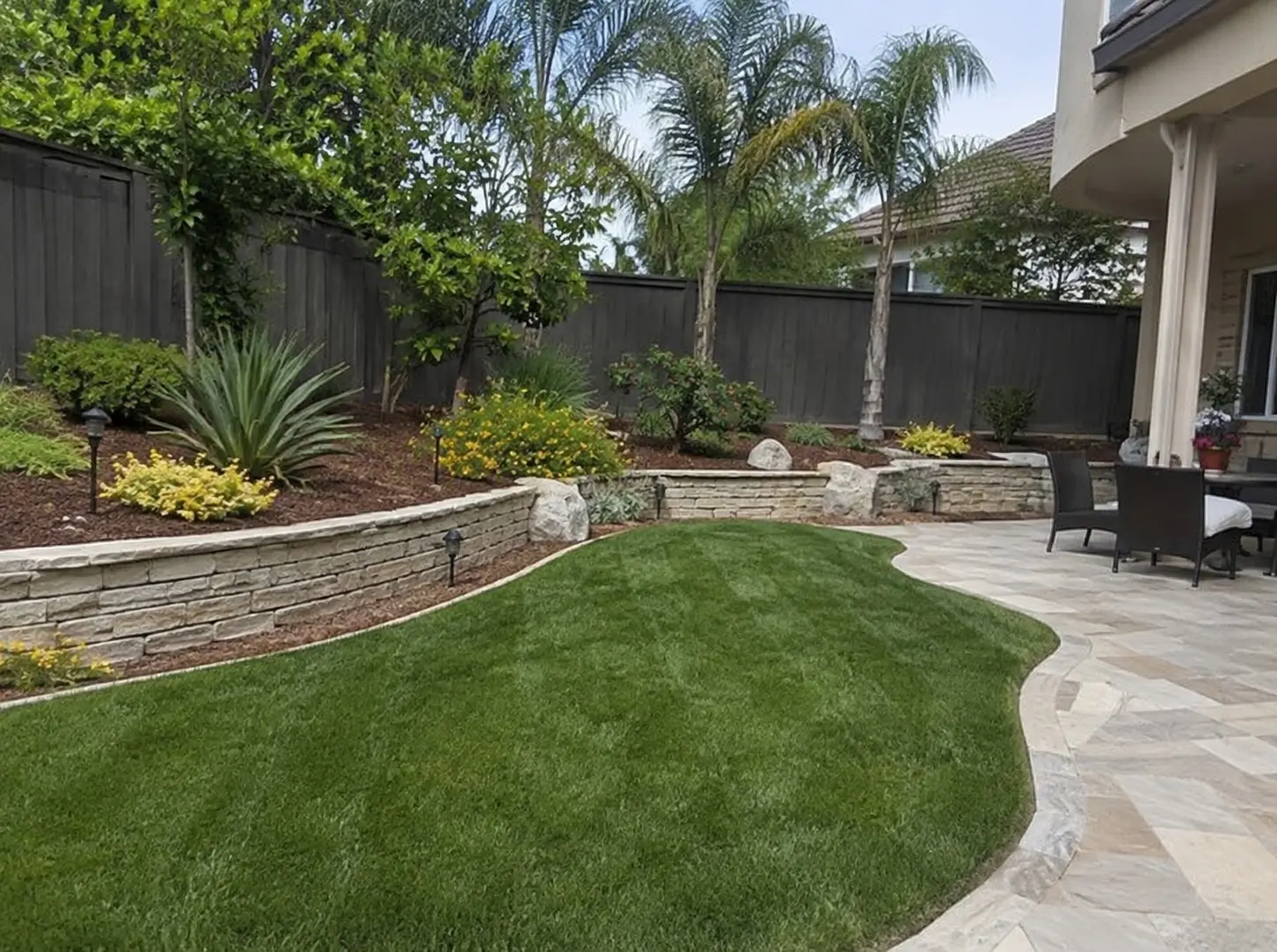
Landscaping in San Diego brings beauty, shade, and function to your property while respecting our dry, sunny climate.
We design and install complete landscapes that include plants, trees, irrigation, mulch, lighting, pathways, and hardscape features. Our team selects drought-tolerant and regionally suited plants that thrive with less water, helping you reduce maintenance and utility costs. Whether you’re starting from bare soil or renovating a tired yard, we create a plan that balances color, texture, and usable space. Proper grading and drainage are built into every project to protect your home and keep plants healthy. A well-designed landscape boosts curb appeal, increases property value, and gives you a place to enjoy the outdoors. We offer seasonal updates and planting plans that keep your yard thriving. Contact us today to schedule a landscaping consultation in San Diego and start transforming your yard.
We create a layout that balances plants, pathways, hardscape, and open space, giving your yard clear style and function that suits your home, lifestyle, and San Diego climate.
Select attractive native and Mediterranean plants that thrive with limited water, reducing irrigation needs and maintenance while keeping your property colorful, healthy, and appealing throughout all four seasons.
Efficient drip lines, controllers, and sprinklers deliver water exactly where plants need it, helping you save water, lower utility bills, and keep your landscape healthy without wasteful runoff.
Low-voltage landscape lighting highlights trees, paths, and architectural features, improving safety and curb appeal while allowing you to enjoy your yard comfortably after dark throughout the entire year.
Patios, walls, walkways, and borders organize your landscape and reduce maintenance, and we install them alongside plantings so every element works together as one cohesive, well-planned landscape design.
Proper slopes, swales, and drains move water away from your home and protect planting beds, preventing erosion, standing water, and damage that can undermine a beautiful landscape.
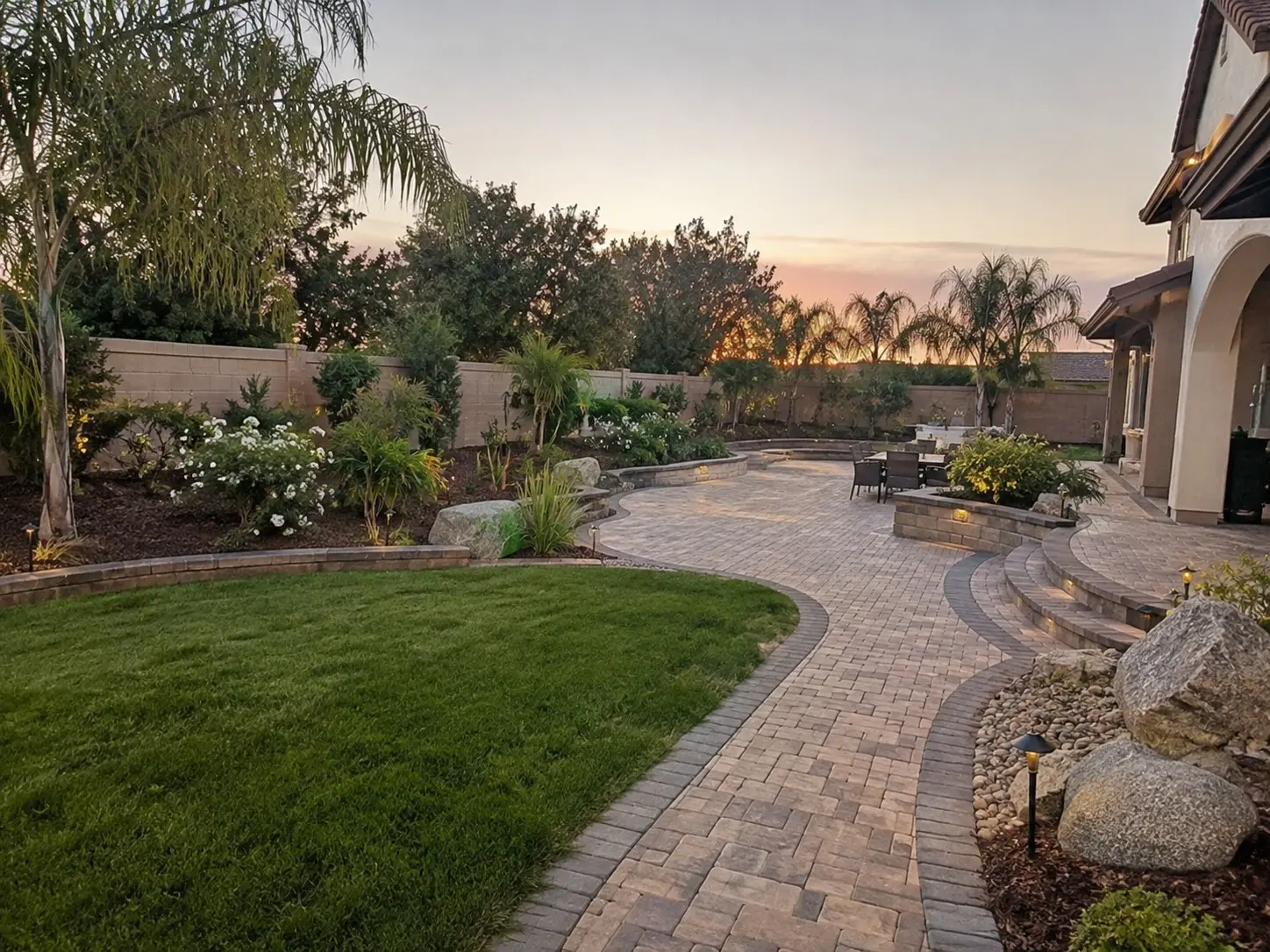
A landscape plan can cover a whole yard or a single problem: a front yard that needs curb appeal without a lawn, a slope that erodes, a side yard no one uses, or a back garden that has to sit comfortably beside a patio. The common thread is choosing plants for the conditions rather than fighting them.
Low-water planting, mulch, pathways, edging, shade trees and screening hedges are all part of the toolkit, and the right mix depends on how you use the space.
Mediterranean gardens pair olive, lavender and rosemary with gravel and stone. California native schemes use sages, manzanita and buckwheat that suit the region's rainfall pattern. Succulent and agave plantings give sculptural form with little water.
Mixing styles tends to feel messy. Choose one and repeat it.
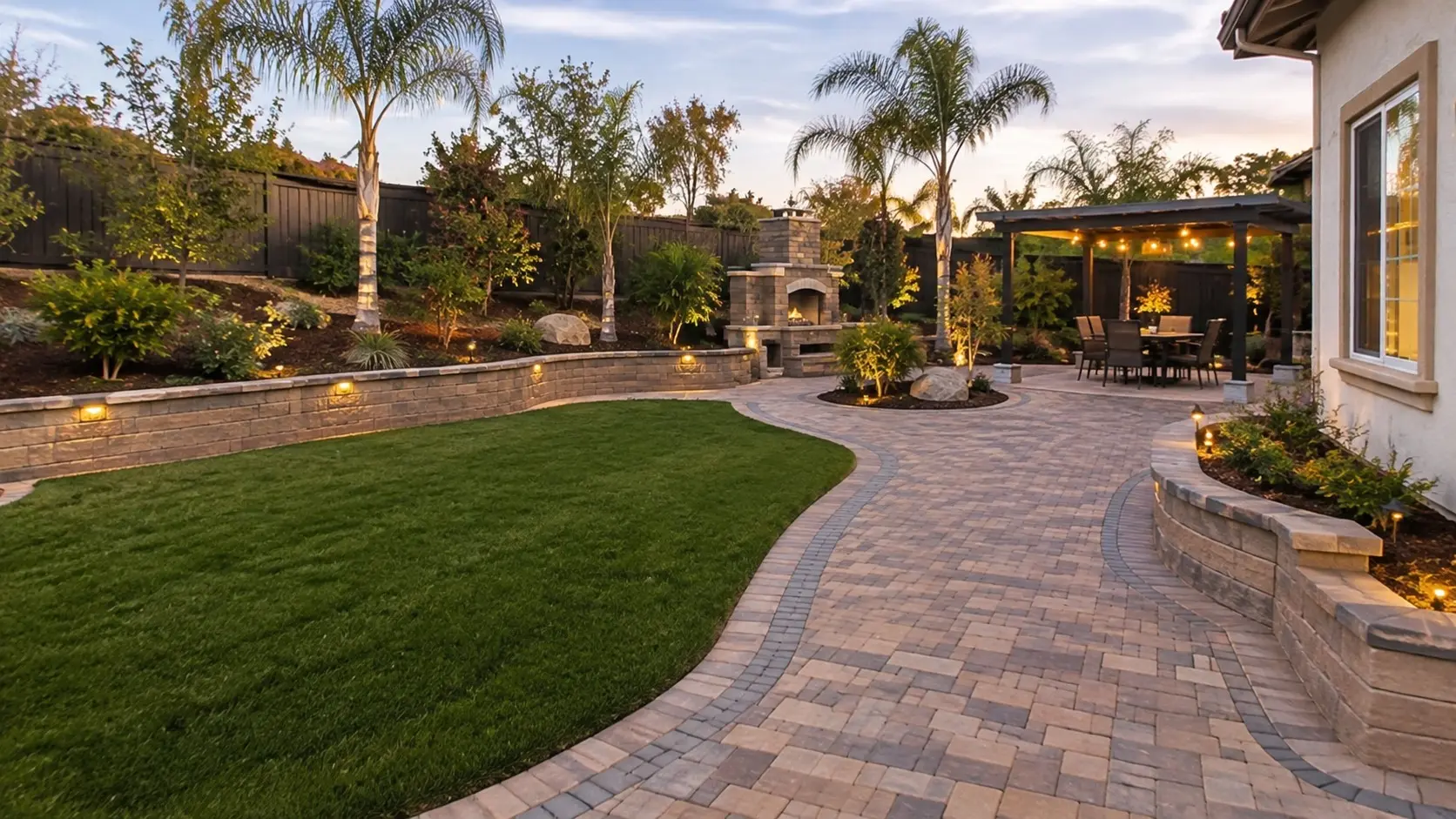
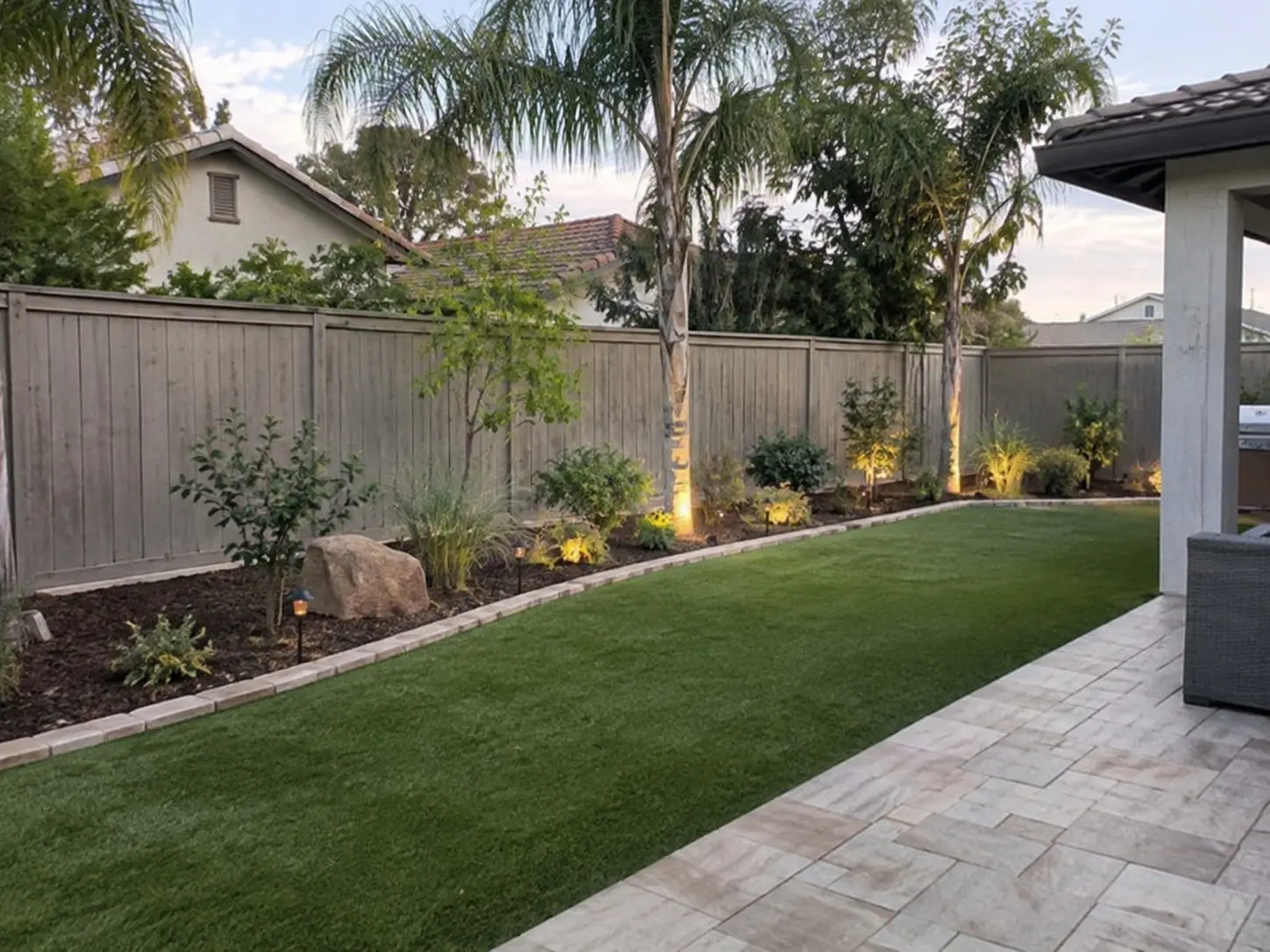
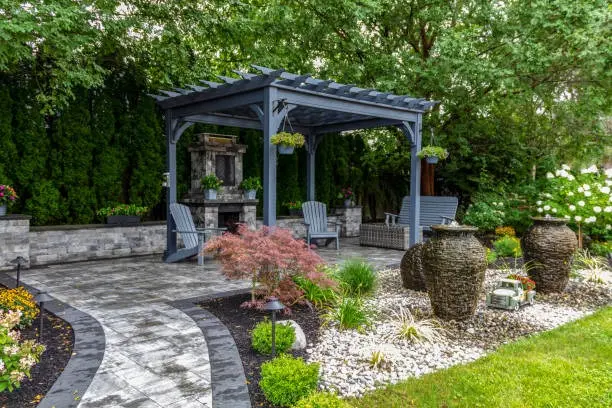
| Element | Role in the yard | Good fit | Consider |
|---|---|---|---|
| Mulch | Cuts evaporation and suppresses weeds | Beds, tree rings | Keep it off trunks and away from structures in fire-prone zones |
| Decomposed granite | Permeable path and patio surface | Paths and informal seating | Edges need restraint to stop migration onto pavers |
| Gravel and rock | Drainage, accent and low-maintenance cover | Dry creek beds, slope beds | Dark rock gets hot in afternoon sun |
| Native and low-water shrubs | Structure with little irrigation once established | Slopes, front yards | Need regular water during the first season or two |
| Shade trees | Cool the house and the patio | West-facing yards | Roots and canopy shape paving and wall layouts |
Plant lists should be checked against local fire-safety guidance and any HOA landscape rules.
Grouping plants by water need makes irrigation simpler and more efficient.
Plants with similar water needs share a valve, so a thirsty bed does not drown the drought-tolerant one beside it.
A west wall that bakes at 4 p.m. calls for different plants than a shaded north side yard.
Steep ground benefits from deep-rooted plants, mulch and terracing that slow runoff.
Native flowers and shrubs bring bees and hummingbirds and need less pampering than annual color.
Drip delivers water at the root zone with little evaporation and suits beds, shrubs and trees. Sprays still suit lawn areas but lose more to wind and heat.
Controllers that adjust to weather or soil moisture help avoid watering during rain or cool spells. They are a useful upgrade, not a replacement for good zoning.
New plants need frequent watering to establish, then less. Deep, infrequent watering encourages roots to go down rather than sit near the surface.
Water hitting pavers and walls stains them and wastes supply. Pointing heads away from hard surfaces and using drip near patios avoids both.
Rain barrels and graywater systems are possible in California, but rules and permit requirements vary, so check with the local water district and building department.
Note sun, shade, slopes, existing plants and trees, and where water currently goes.
Buried gas, electric, water and communication lines need to be marked before trenching for irrigation or planting large trees.
Some associations restrict plant types and turf, and some water agencies have turf-replacement or efficiency programs worth checking.
Compacted or clay-heavy soil often needs loosening and amending so roots can establish.
Paving, walls and irrigation mains go in before planting so equipment does not trample new beds.
Young plants need regular watering and attention for the first season while roots develop.
In many parts of San Diego County, defensible space is part of landscape design.
Keep the first several feet of ground around the structure free of flammable mulch and dense shrubs; hardscape works well here.
Trim canopies up from the ground and keep them apart from structures so fire cannot climb from brush to branches.
Plants with high moisture content and low growth habit are better choices near buildings than oily or resinous shrubs.
Fire agencies publish defensible-space requirements, which vary by property, so confirm what applies to yours.
Once established, many natives need little water, but they still need pruning, weeding and a first-year watering schedule. They suit dry summers better than most imported plants.
Fall and early winter let roots establish while rainfall and mild temperatures help. Summer planting is possible but needs more watering.
Yes, if you use it. Many homeowners shrink the lawn to the area that gets real use and convert the rest to beds, paving or turf.
Aggressive roots can lift paving and push walls. Choose plant species and spacing with the hardscape in mind.
Yard size, grading, soil preparation, plant sizes, irrigation changes, hardscape coordination and access for equipment.