Stucco and Siding Painting
We paint stucco, wood, and fiber cement surfaces with premium coatings, filling cracks and sealing gaps so your home gets lasting protection and a refreshed appearance.

Service guide / San Diego
Plan exterior painting in San Diego: stucco repair and prep, elastomeric vs. standard coatings, sun and salt-air wear, color choice, HOA approval and sequencing.
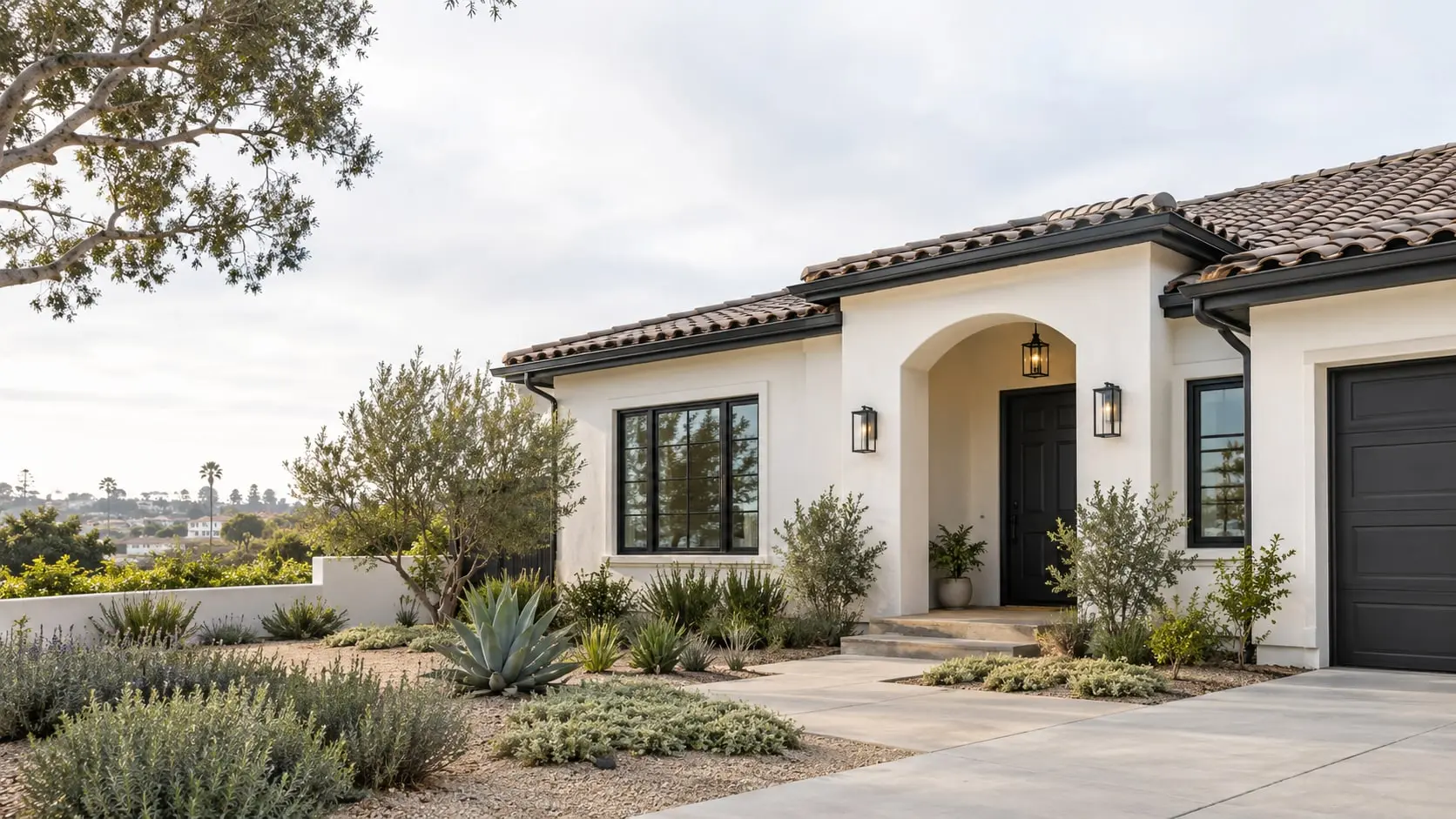
Exterior painting in San Diego protects your home from sun, salt air, moisture, and wear while dramatically improving its curb appeal.
Our professional painters begin with careful preparation, including pressure washing, scraping, sanding, patching, caulking, and priming, because proper prep is what makes paint last. We then apply premium exterior coatings to siding, stucco, trim, doors, garage doors, fences, and eaves, delivering rich color and a smooth, even finish. Our team can recommend colors that suit your home’s style and neighborhood, as well as finishes that resist fading, peeling, and mildew. We protect landscaping, keep your property tidy, and complete each project on schedule. A fresh exterior paint job adds value and pride of ownership. We also offer deck staining and touch-ups for areas exposed to harsh weather. Contact us today for a free exterior painting estimate in San Diego.
We paint stucco, wood, and fiber cement surfaces with premium coatings, filling cracks and sealing gaps so your home gets lasting protection and a refreshed appearance.
Dirt, mildew, and loose paint are removed before coating begins, followed by scraping, sanding, caulking, and priming, creating a clean, stable surface that helps paint last.
Careful detail work on fascia, shutters, doors, and eaves gives your exterior a crisp, finished look, with contrasting colors applied cleanly for a polished, professional result.
Refresh garage doors, gates, and fences with durable exterior paint or stain that resists sun, moisture, and fading, completing your home’s updated look, front to back.
We help you choose exterior colors that suit your architecture, neighborhood, and roof, offering practical advice on finishes and combinations so you feel confident about the final result.
Quality paints formulated for sun, salt air, and moisture protect your home against fading, peeling, and chalking, giving you longer-lasting color and fewer repainting projects over the years.

What gets painted
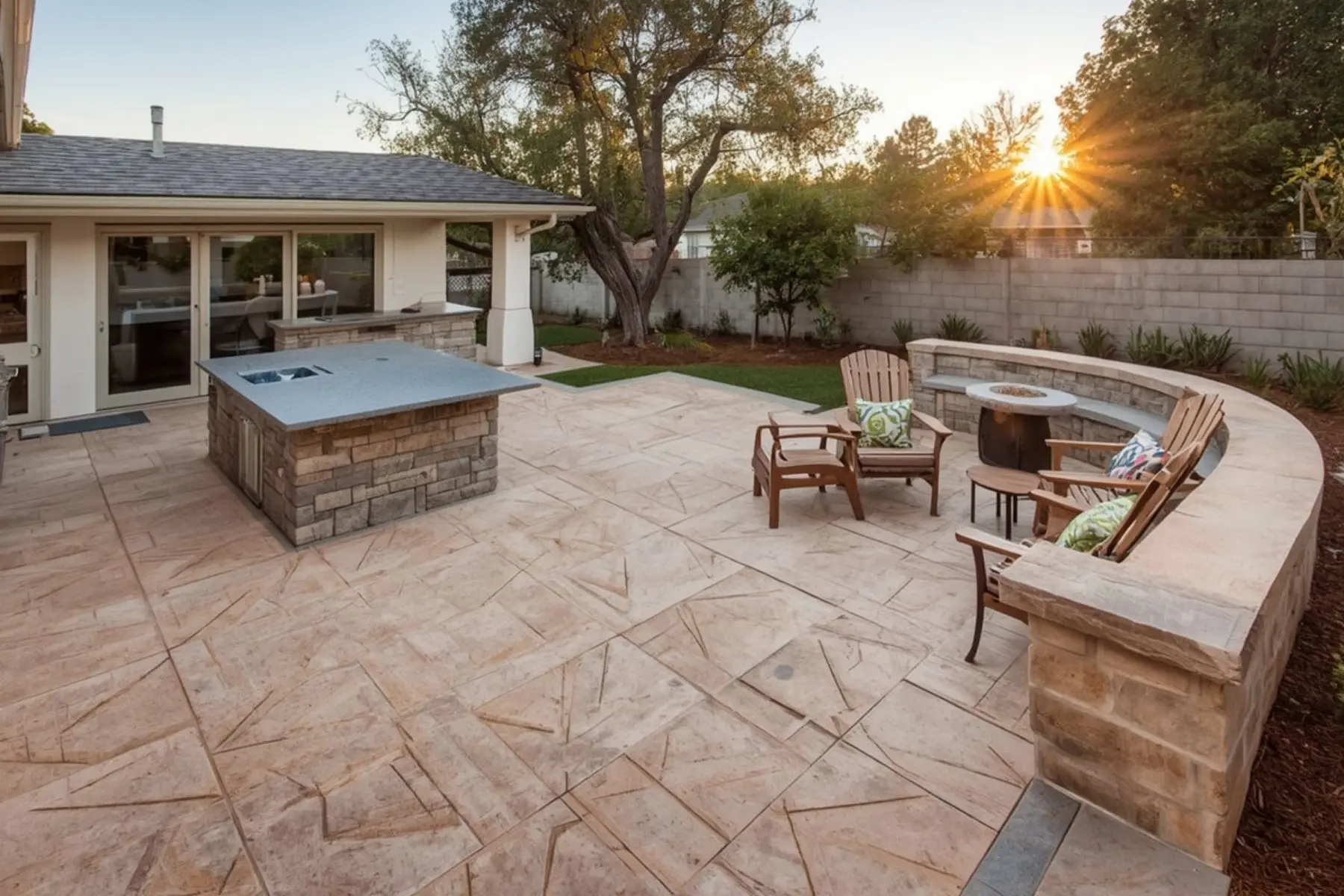
A full repaint covers walls, trim, fascia, eaves, doors, garage door and often the garden-side details such as gates, pergola beams and stucco site walls. Many owners choose a partial scope instead: the sun-battered south and west elevations, or just the trim and front door.
Stucco is the dominant surface across San Diego neighborhoods, but wood siding, fiber-cement lap, brick and previously painted metal all turn up and each wants its own primer and prep. Deciding scope by elevation, rather than by room count, keeps the conversation concrete.
Coating choice follows the surface and the exposure. This table compares the families most often discussed for exterior walls.
| Coating type | Suited to | Watch for | Typical sheen |
|---|---|---|---|
| Acrylic latex, standard | Sound stucco, trim, and wood in moderate exposure | Will not bridge cracks; hairlines reopen | Flat to low-sheen on walls |
| Elastomeric | Stucco with hairline cracking and heavy weather exposure | Thick film can trap moisture if the wall is damp behind it | Flat, textured look |
| Mineral or silicate | Masonry and stucco that should stay breathable | Narrower color range, specialized primer | Matte |
| Semi-gloss enamel | Doors, window trim, fascia, metal rails | Shows surface flaws; needs smooth prep | Semi-gloss |
| Penetrating stain or sealer | Wood fences, gates and pergolas | Renews more often on sun-facing sides | Satin or natural |
Confirm product data sheets for recoat windows and temperature limits before scheduling.
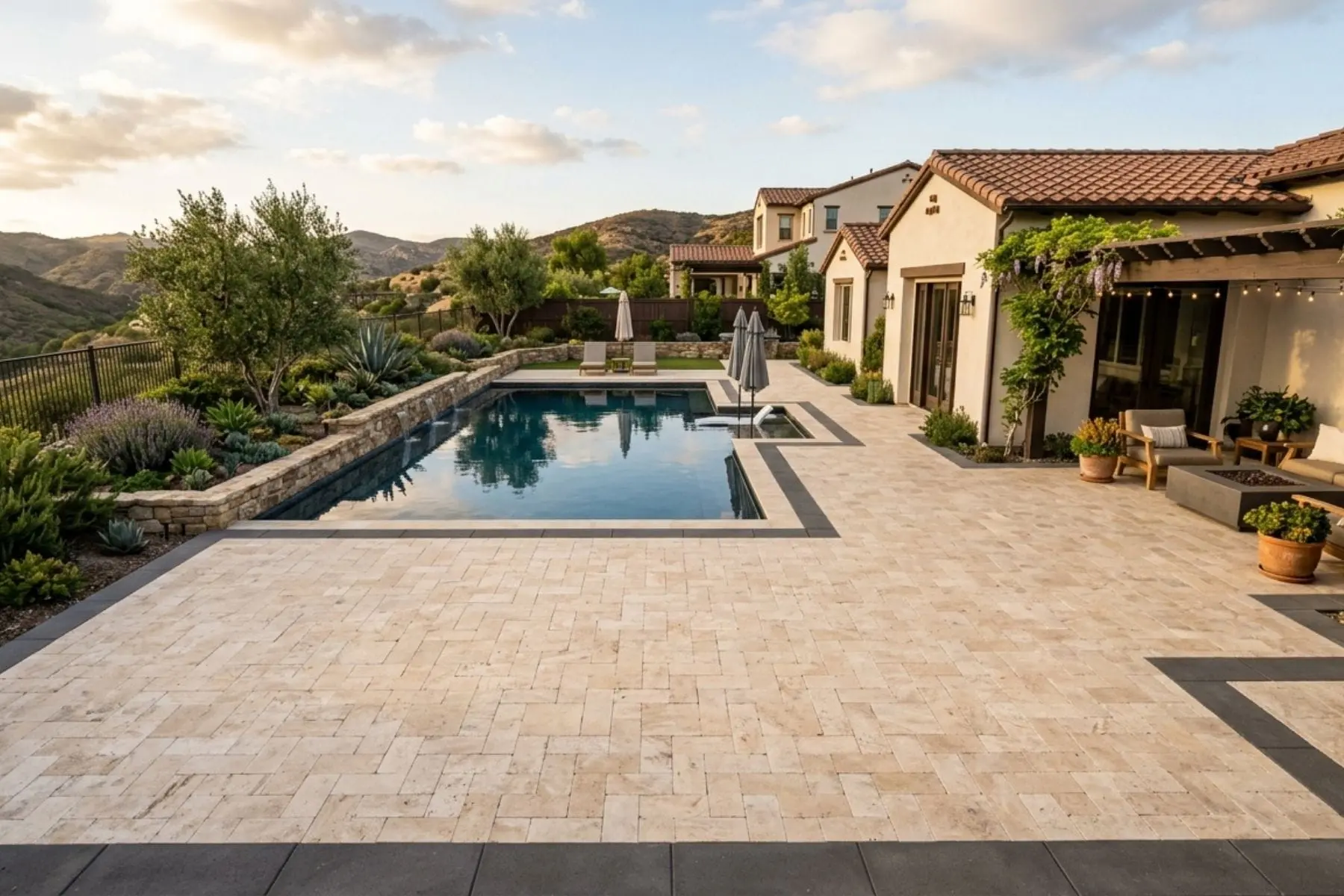
A color looks different at noon on a south wall than it did on a chip in the shade. Lighter tones reflect more heat and fade less, while deep colors absorb heat and show chalking sooner on sun-baked elevations.
Near the coast, salt film and morning damp are the main stress; inland, UV and heat swings take over.
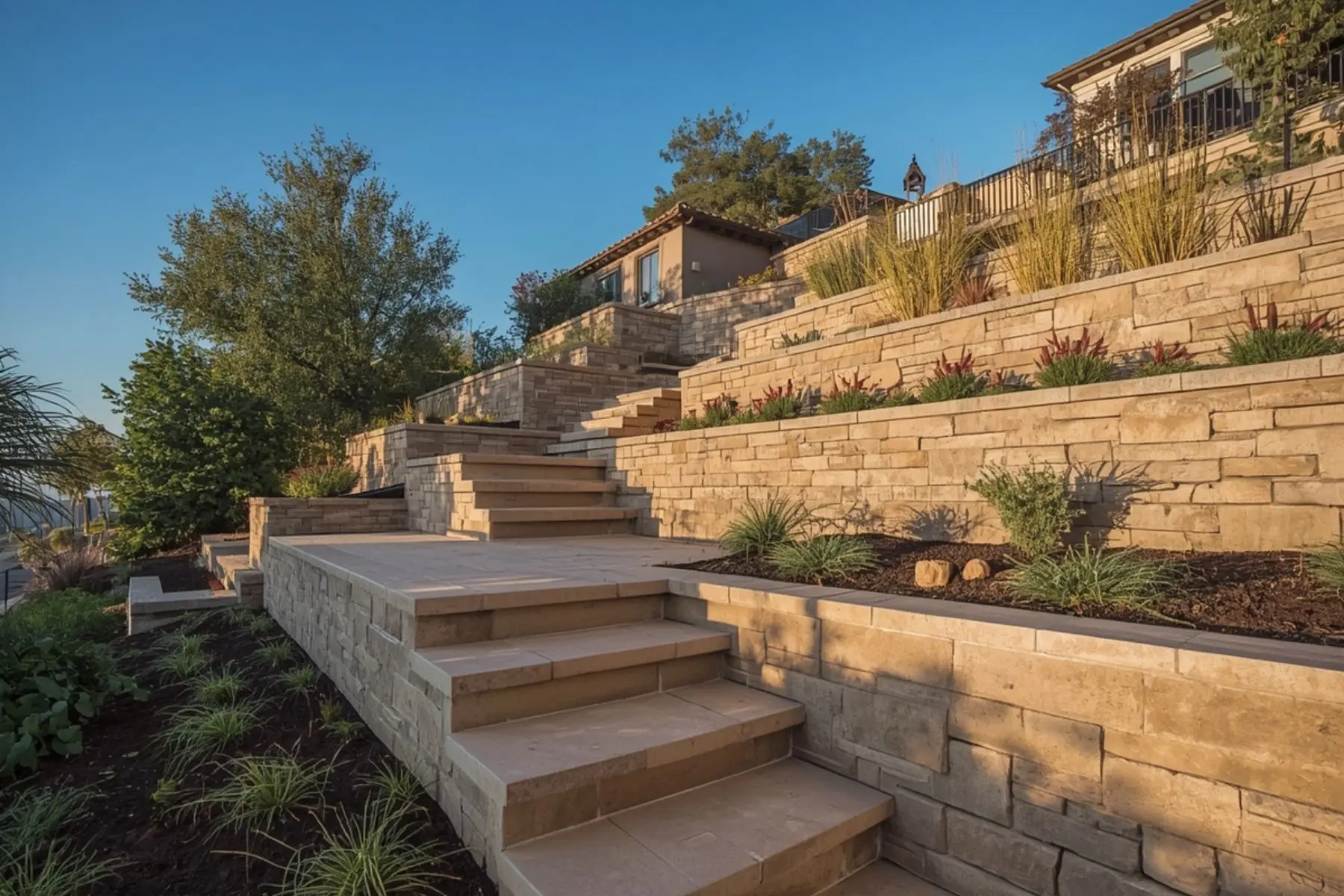
The condition of the wall: cracks, chalking, peeling, soft wood, stains from irrigation. A thumb rub on the surface shows whether old paint is powdering and needs a bonding primer.
Homes built before 1978 may contain lead-based paint. Federal rules call for lead-safe work practices when disturbing painted surfaces in those homes, so ask how that will be handled.
Beds are covered or cut back, pavers and decks get drop cloths, and spray zones are masked. Moving furniture and potted plants away from walls beforehand saves time on the day.
Spraying covers stucco quickly, but back-rolling pushes paint into the texture. Trim is usually brushed. Ask which method is planned for each surface.
HOAs and some historic or planned communities require color and sheen approval before work starts. Submit samples and a photo of the elevation early.
A light monochrome stucco body reads very different from a deeper body with contrasting trim, and arched openings or window recesses call for careful cutting-in.
Dark window frames sharpen against pale walls, but they also absorb heat, so frame finish and wall color are usually chosen as a pair.


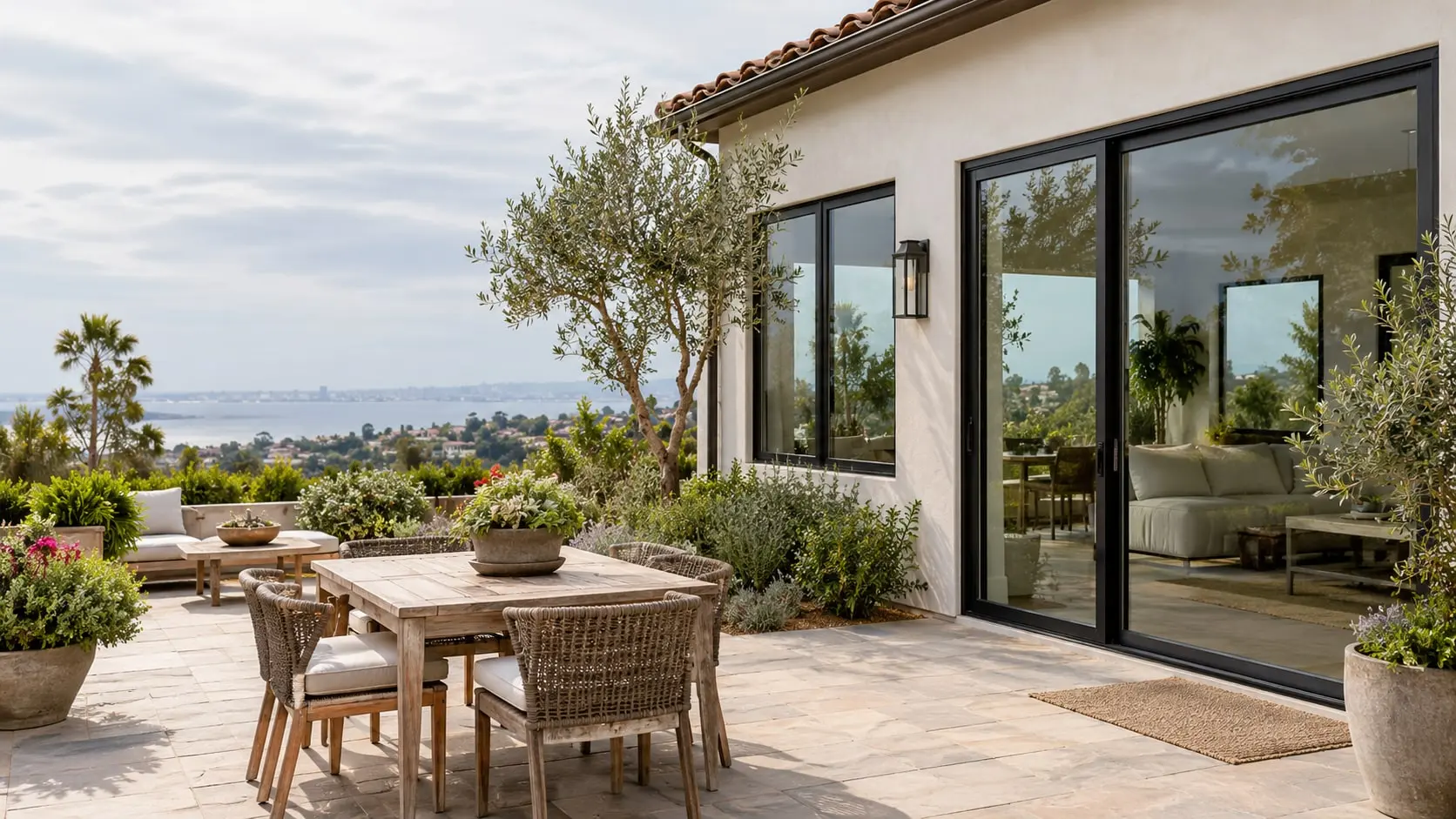
Pressure or soft washing clears dirt, chalk and salt film, then the wall dries long enough for a reliable moisture check.
Cracks are routed and filled, loose stucco patched, rotted wood replaced, and failed caulk at windows and penetrations cut out.
Bare patches, repairs, stains and chalky areas get spot primer, or a full coat when the old surface is porous.
Windows, fixtures, vents and landscape are covered so overspray does not reach glass or plants.
Walls are sprayed and back-rolled, trim and doors brushed, each coat allowed to dry per the data sheet.
Inspect each elevation in daylight, mark misses, and remove masking before the final cleanup.
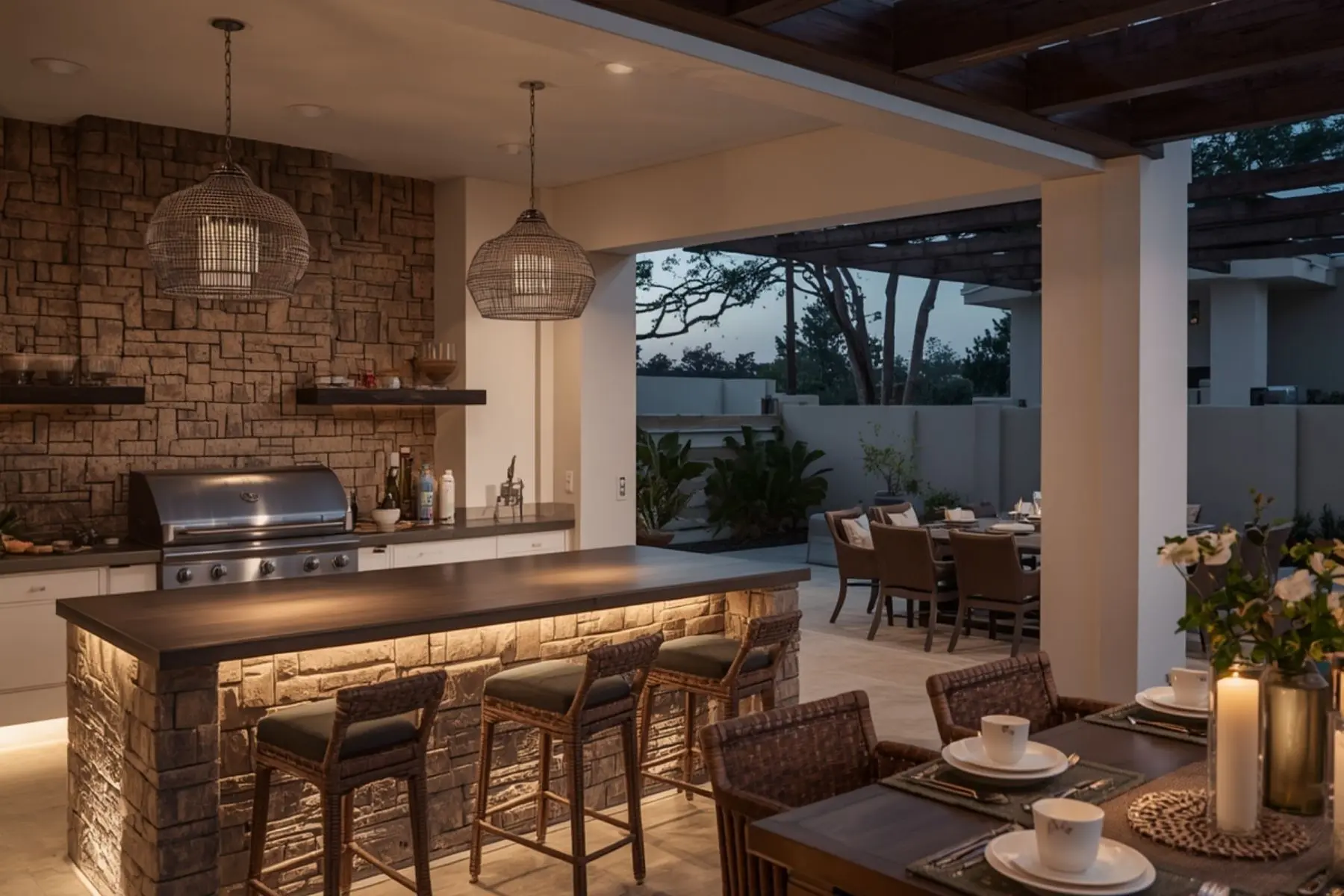
Sprinkler heads aimed at a wall cause staining and peeling at the base; redirecting them protects the new coat.
These elevations get the most UV and often need a more durable finish or earlier recoating than shaded sides.
Failed sealant at window edges and trim joints lets water behind paint, long before the film itself fails.
Ember-resistant vent screens, if installed or planned, should be masked rather than painted shut.
Vines and shrubs trap moisture and scratch the finish; trimming them back gives walls room to dry.
Clarity before you begin
Most sound stucco can be, but loose, chalky or heavily cracked areas need repair and primer first. New stucco typically has to cure before coating, so ask what cure time the plasterer and the paint maker both require.
Not always. It bridges hairline cracks and sheds water, but its thick film can trap moisture and is hard to remove later. Walls with active cracks, damp spots or a breathable existing finish may suit another system.
Dry stretches with moderate temperatures work well. Avoid painting in morning damp, direct afternoon sun on hot walls, or when rain is forecast before the coat can cure. Coastal marine-layer mornings may delay start times.
If you live in an HOA or planned community, usually yes. Some neighborhoods also have design review overlays. Check your CC&Rs or the city's planning office before choosing a color.
Square footage, stories and access, how much stucco repair or wood replacement is hiding, the number of coats, the coating type, and how much trim, garage door and fencing is included.