Deep Cleaning
We remove dirt, algae, oil stains, and ground-in grime from pavers, restoring their original color and giving your patio, driveway, or pool deck a fresh, clean appearance again.

Service guide / San Diego
Paver cleaning, sealing and repair in San Diego: stains and efflorescence, sealer types, re-leveling sunken pavers, joint sand, and when to call for help.
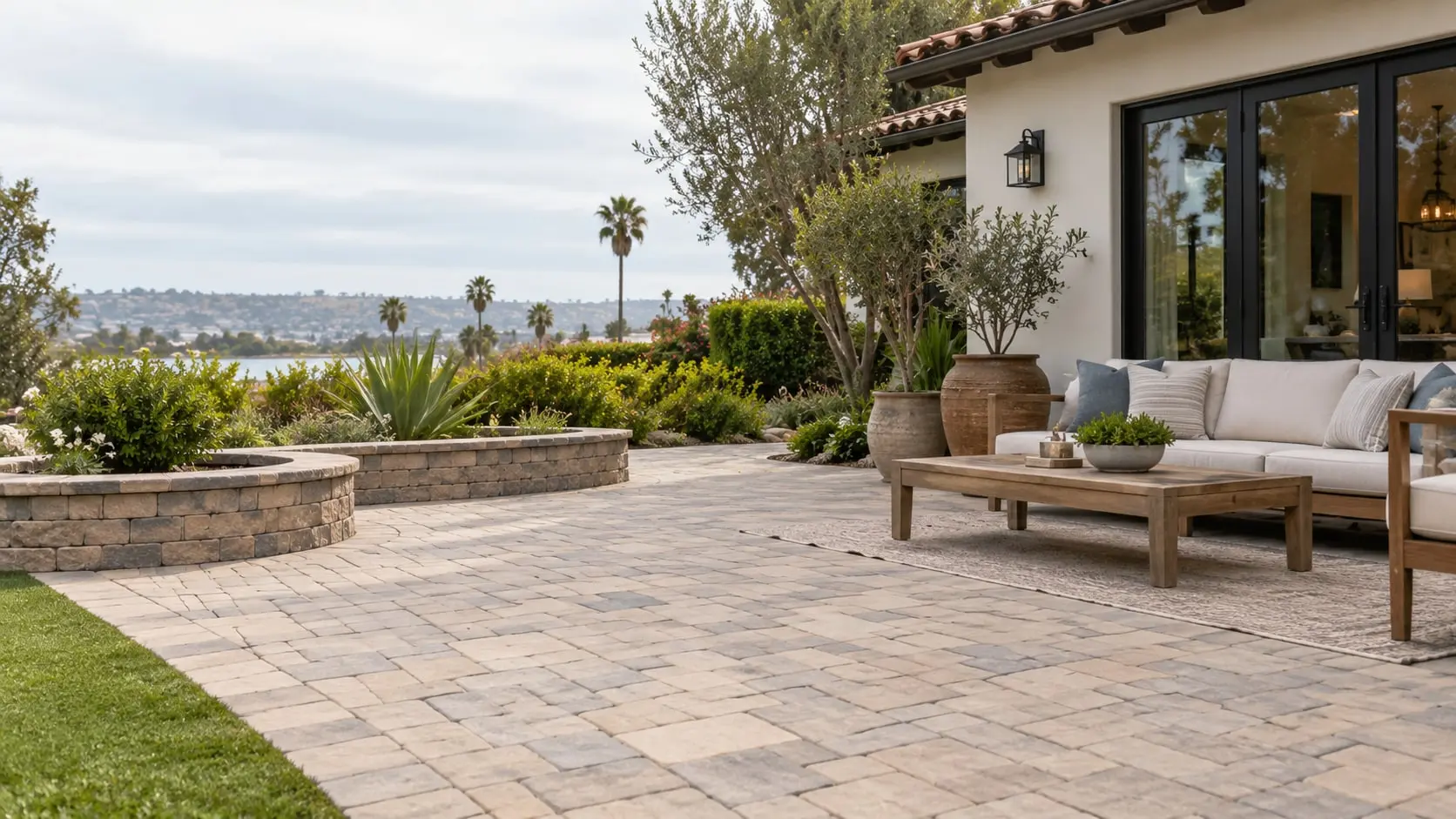
Paver cleaning, sealing, and repair in San Diego restores the beauty of your patio, driveway, or walkway and protects your original investment.
Over time, pavers collect dirt, oil stains, moss, weeds, and fading from constant sun exposure. We deep clean the surface, remove stains, and refill joints with fresh sand, then apply a quality sealer that enhances color and helps resist future staining. If your pavers have sunk, shifted, or cracked, we lift and re-level the affected areas, replace damaged units, and correct base problems that caused the issue. Regular maintenance extends the life of your hardscape and keeps it looking new. Our team works carefully and efficiently, with excellent results. We offer maintenance plans for homeowners who want to keep surfaces protected year after year. Contact us today to schedule paver cleaning, sealing, and repair services in San Diego.
We remove dirt, algae, oil stains, and ground-in grime from pavers, restoring their original color and giving your patio, driveway, or pool deck a fresh, clean appearance again.
Unwanted growth between pavers weakens joints and spoils the look, so we clear it and treat the surface to help prevent weeds and moss from returning.
Over time, rain and sweeping wash sand from the joints, so we refill them with polymeric or quality sand that locks pavers and discourages weeds and insects.
A professional sealer enhances color, protects against stains, and resists fading from intense sun, with matte, satin, or wet-look finishes available to suit your preferences and hardscape style.
We lift sunken or uneven sections, correct the base, and reset pavers to a smooth, level surface, eliminating tripping hazards and standing water that harms your hardscape.
Oil, rust, fertilizer, and food stains can mar a beautiful surface, and we use appropriate cleaners and techniques to lift them safely without harming pavers or surrounding landscape.
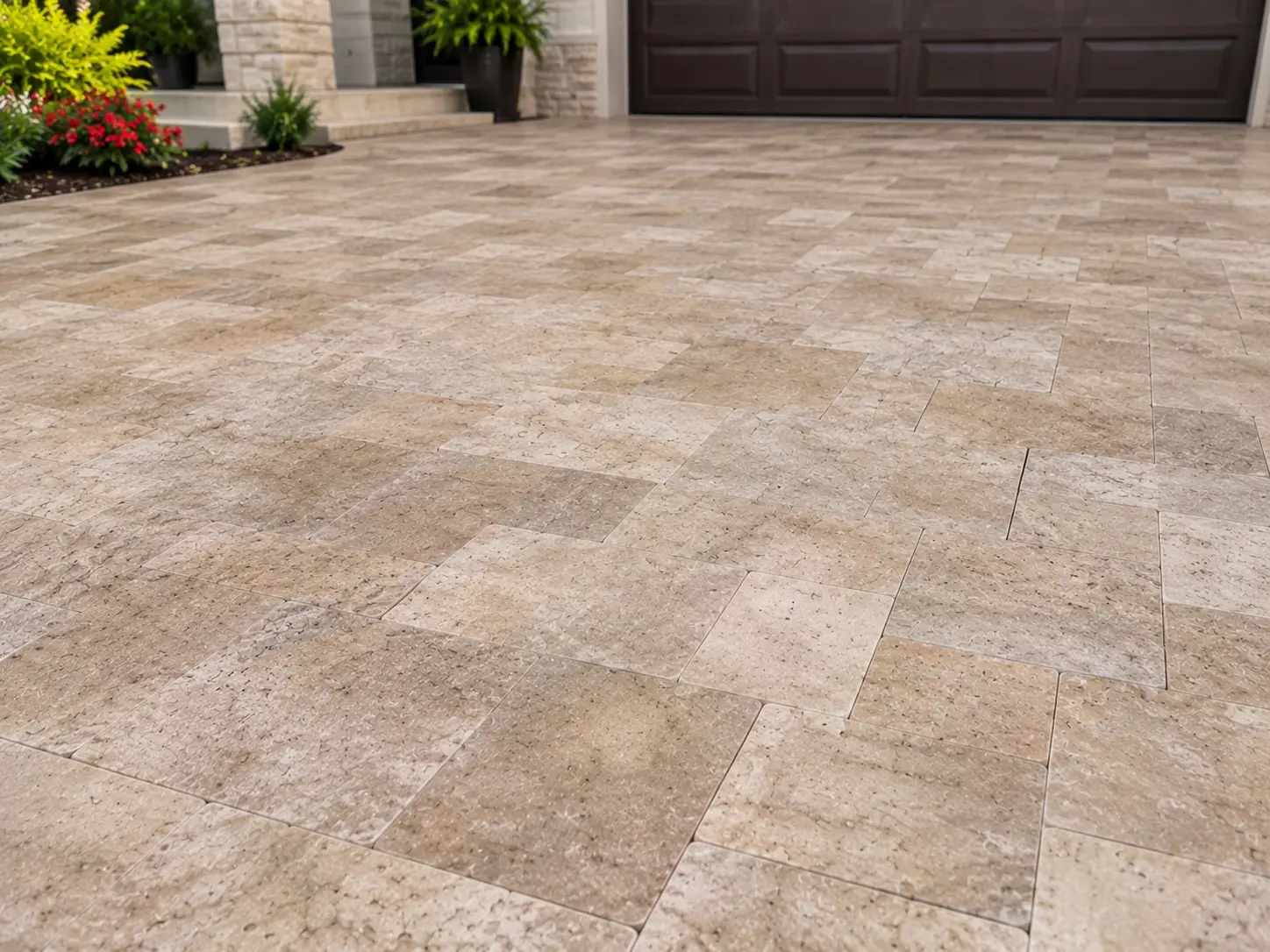
Care for pavers falls into three tracks: cleaning to remove stains, algae and buildup; sealing to protect and, if chosen, enhance color; and repair to correct settled units, washed-out joints or damaged edges.
Identify the paver type, the stains and the problem areas, then test cleaning methods on a small hidden patch.
Lift and re-set sunken or loose pavers, correct the base, and replace cracked units before cleaning.
Remove dirt, algae, oil and efflorescence with methods matched to the stain, and rinse thoroughly.
Allow the surface and joints to dry; sealing damp pavers can trap moisture and leave a cloudy film.
Sweep in fresh joint sand, compact, and brush off the excess so it does not bond to the surface.
Apply sealer in even coats, following the manufacturer's weather and cure requirements.
| Sealer type | Look | Protection | Good to know |
|---|---|---|---|
| Penetrating (impregnating) | Natural, little change in sheen | Repels water and oil from within the pores | Needs a porous surface and does not add shine |
| Film-forming, matte | Light enhancement, low sheen | Surface protection against stains and wear | Can look cloudy if applied to damp pavers |
| Film-forming, gloss or wet look | Deeper color and shine | Strong stain resistance | Can be slippery when wet and shows wear |
| Joint-stabilizing sealer | Applied with the surface coat | Locks joint sand and resists weeds | Needs dry joints and careful application |
| No sealer | Natural, unaltered | None added | Simplest, but stains and fading are more likely |
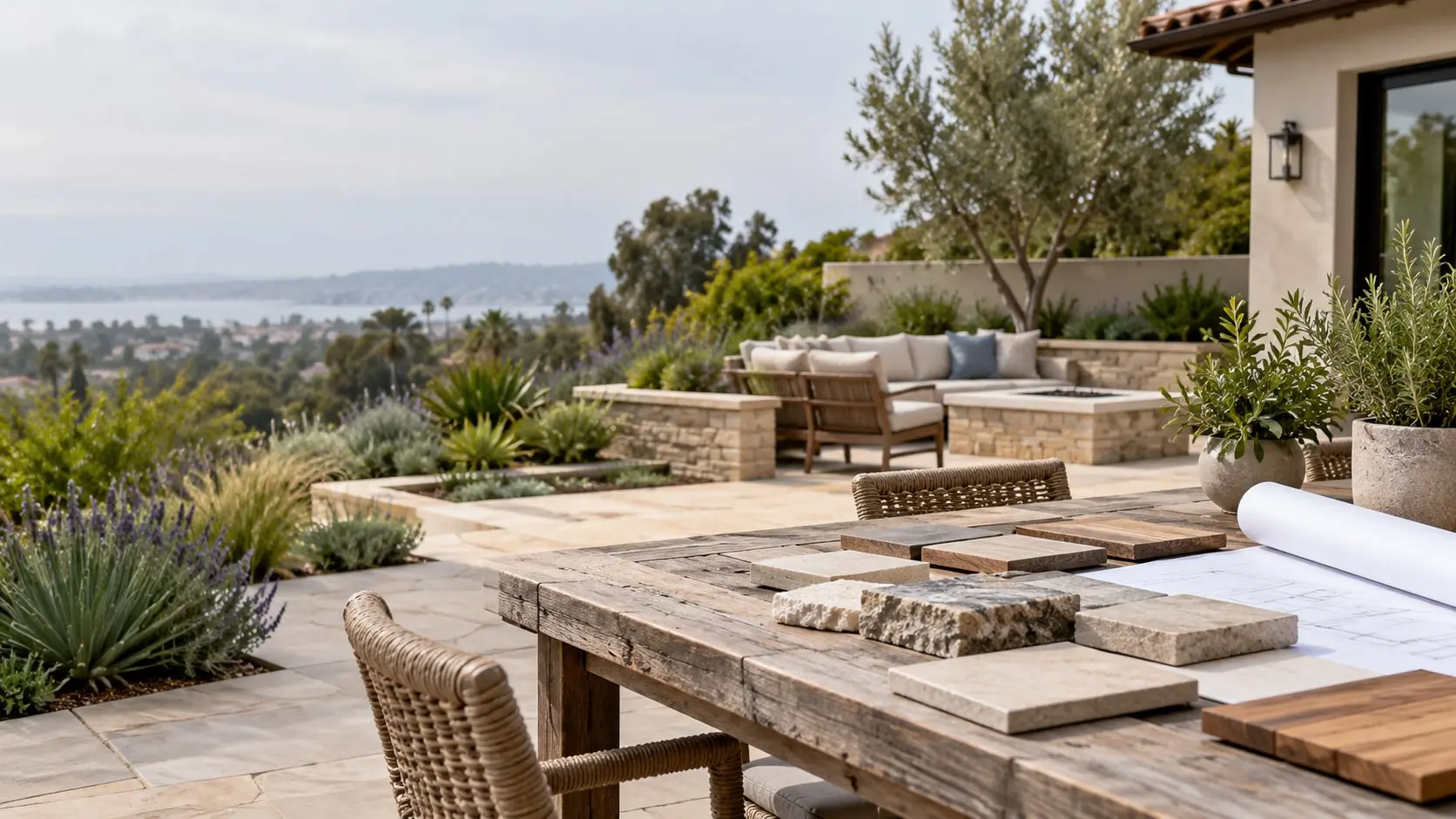
Ask for a sample area. Sealer compatibility varies with paver type, particularly travertine and porcelain.
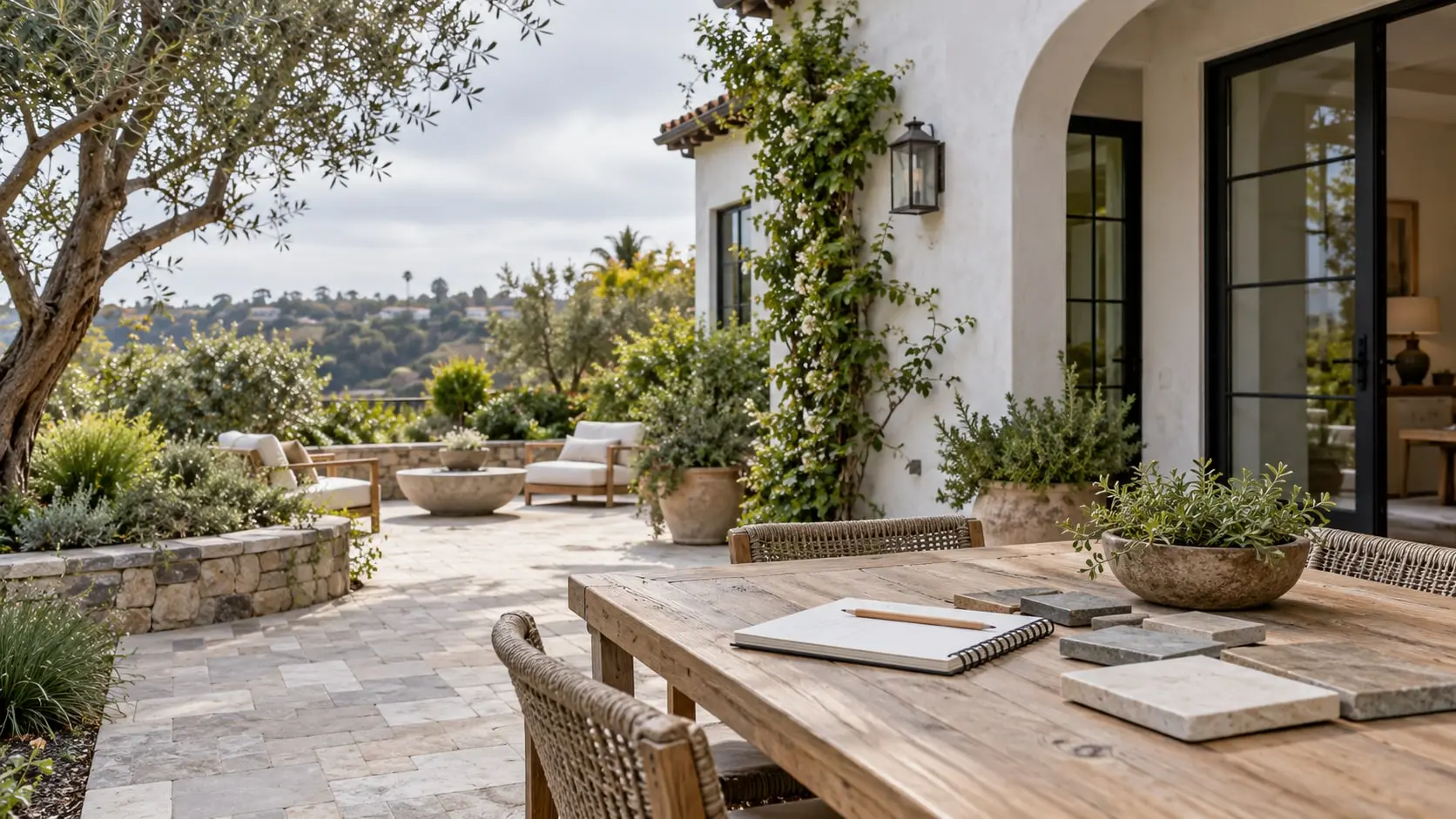
Concrete, travertine and porcelain react differently to cleaners and sealers; the wrong one can etch or stain.
Rust, oil, organic growth and efflorescence each need their own treatment, and guessing can set the stain.
Too much pressure erodes joints and scars the surface; a wide fan and distance protects pavers.
Existing sealer that has peeled or yellowed may need to be stripped before applying a new coat.
Sealer needs dry surfaces and stable temperatures, and sun-baked pavers can flash-dry a coat unevenly.
Persistent efflorescence and algae often point to water that is not leaving the area.
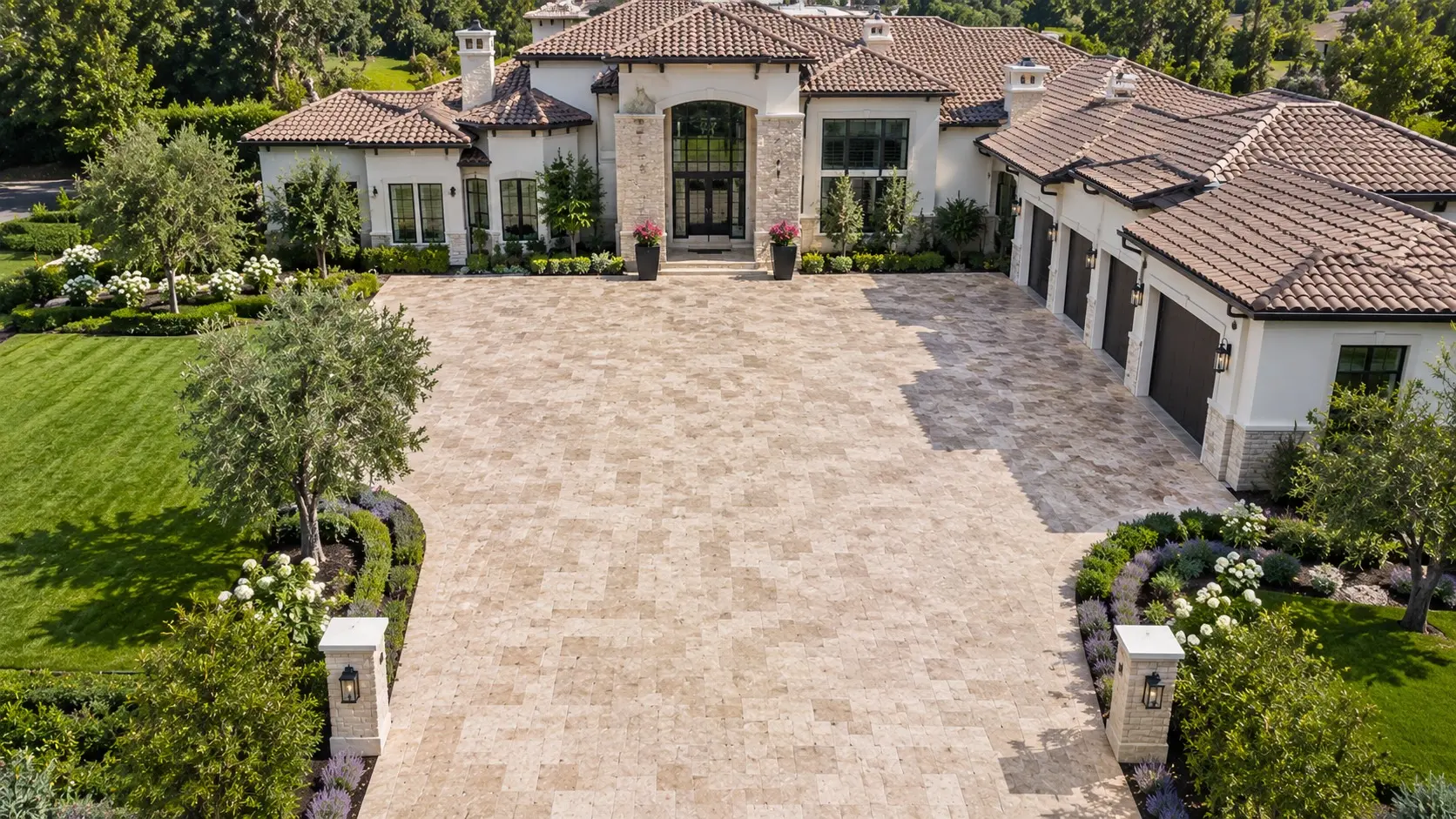
Site planning for repairs starts with finding why the paving moved. Check downspouts, irrigation, tree roots and grade before re-setting anything; fixing pavers without fixing the cause invites a repeat.
Efflorescence is mineral salts moving up through the paver and can be cleaned, but the water path behind it should be addressed.
Algae and mildew thrive on shaded, damp areas and make a surface slippery.
A dip that holds water points to a base that has settled or washed out.
Washed-out joint sand lets pavers shift and invites weeds and insects.
Sun fades concrete pavers over time, and cleaning plus sealer can renew the tone.
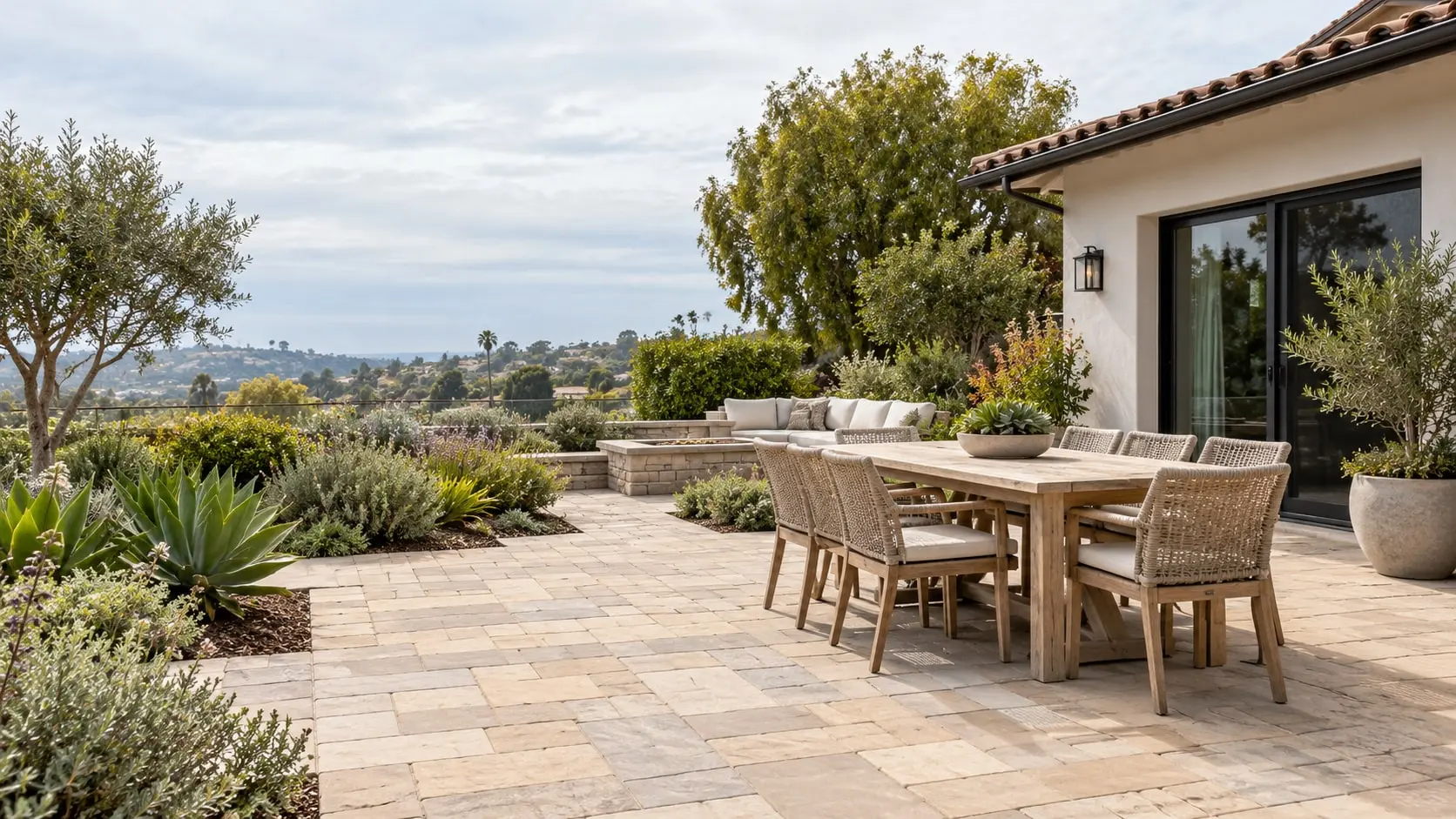
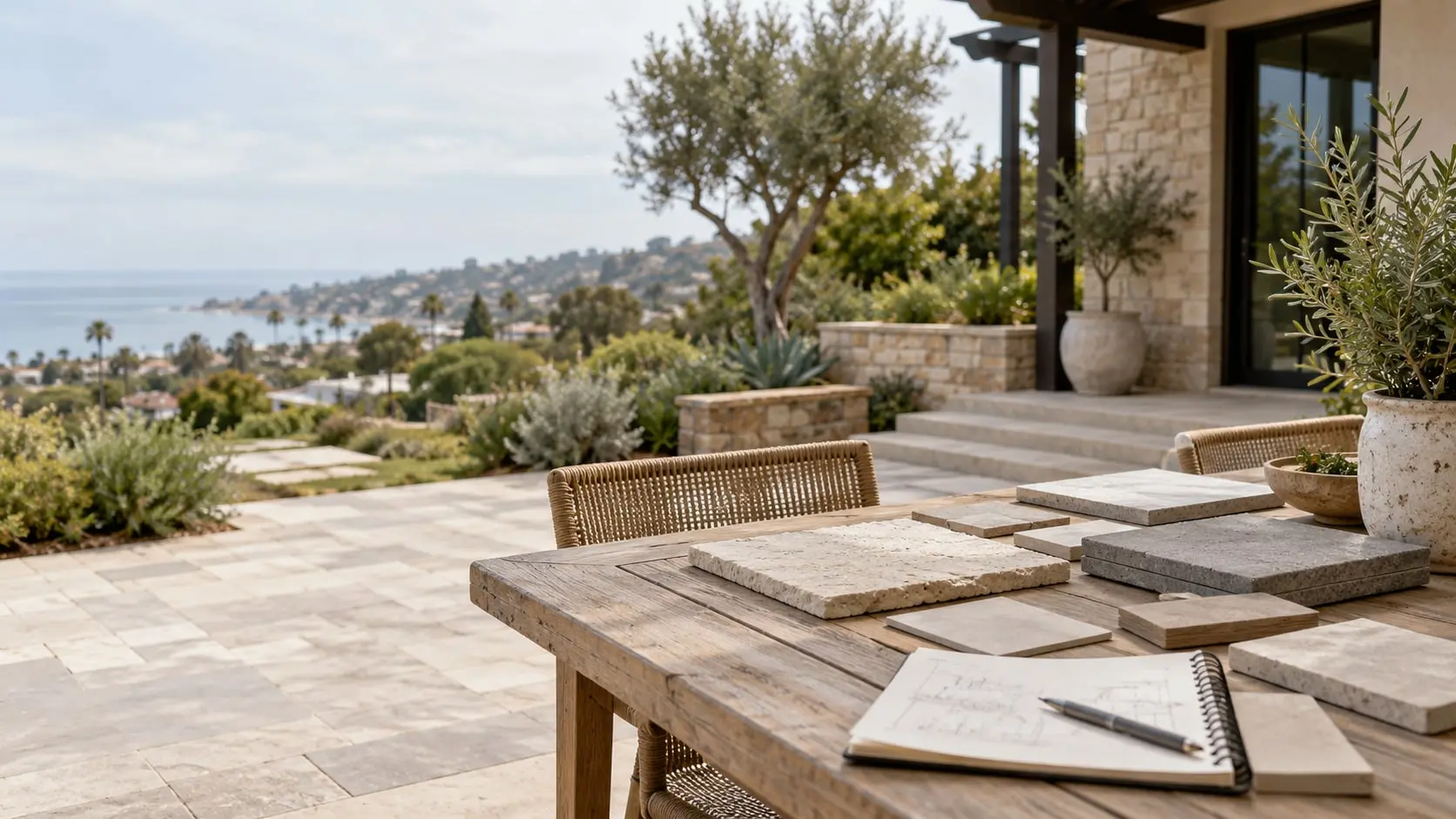
It depends on sun, traffic and the sealer. Water that no longer beads on the surface is one cue; follow the product's own guidance.
Some sealers deepen or add a sheen. Test an inconspicuous spot first and let it cure before judging.
Usually yes. The pavers are lifted, the base is re-compacted and leveled, and the same units are set back.
It can be, with the right pressure, nozzle and distance. Too much force removes joint sand and roughens the surface.
Area, paver type, stain severity, how many sections have settled, access and the weather window all shape the scope.