Front Yard Turf
Artificial grass gives your front yard curb appeal without mowing or watering, and we install it with clean edges and natural-looking blades that make a great impression.

Service guide / San Diego
Planning artificial turf in San Diego: base and drainage, infill choices, surface heat, pet use, seams, edges, and how turf meets pavers and planting beds.
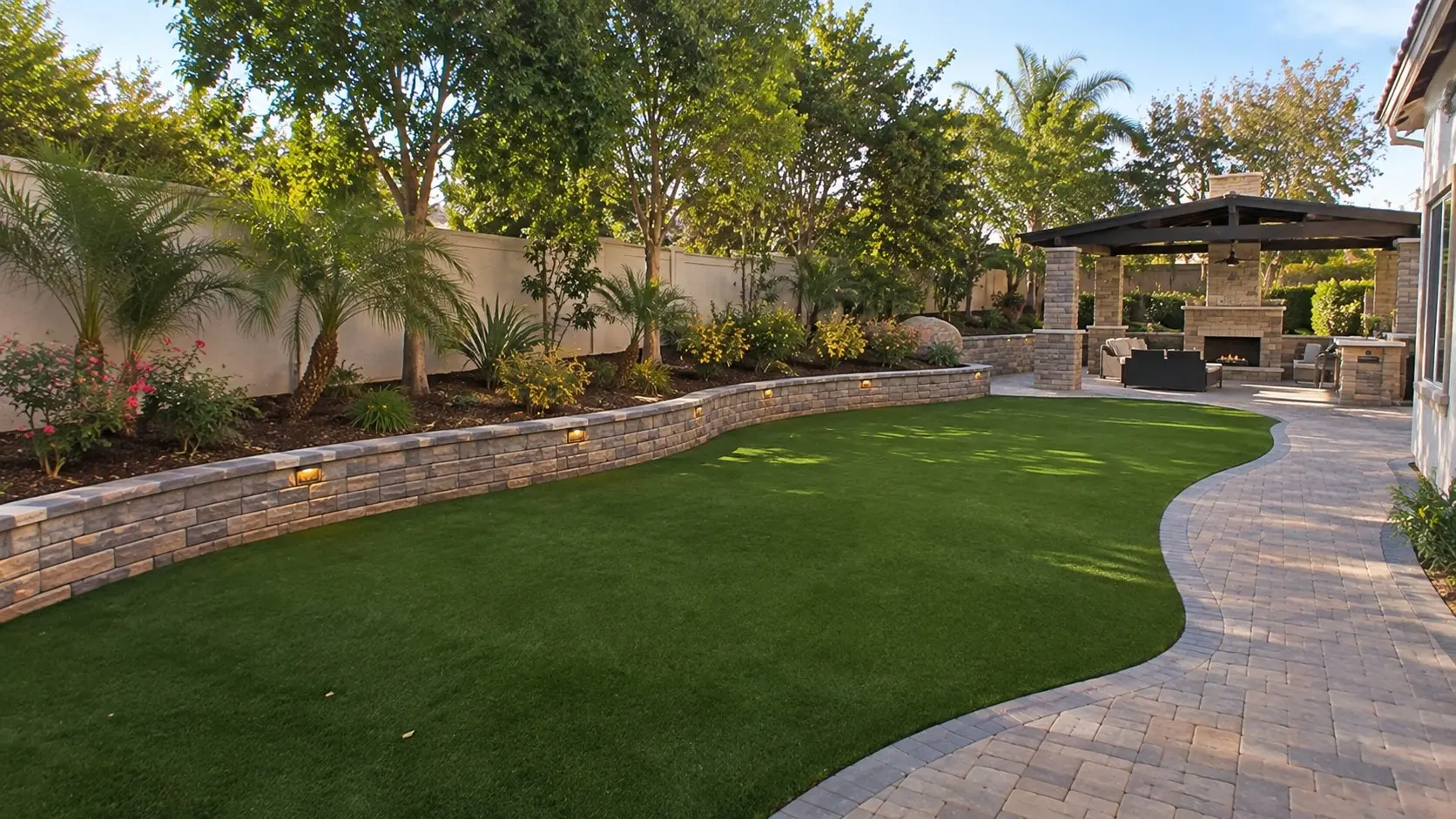
Artificial grass and turf in San Diego gives you a lush, green lawn all year without watering, mowing, or fertilizing.
It’s an ideal solution for front yards, backyards, pet areas, play spaces, and rooftop patios, especially in a region where water conservation matters. We install premium synthetic turf over a carefully graded, compacted, and drained base, ensuring a smooth, natural look and reliable performance. Our team secures seams and edges cleanly so the surface stays flat and durable under heavy use. Modern turf is soft, safe for kids and pets, and designed to resist fading in strong sunlight. You’ll save time, reduce water bills, and enjoy a yard that always looks its best. Custom putting greens and pet-friendly options are available to suit your needs. Contact us today to request an artificial grass and turf installation estimate in San Diego.
Artificial grass gives your front yard curb appeal without mowing or watering, and we install it with clean edges and natural-looking blades that make a great impression.
Enjoy a soft, green play and lounging area all year, with a properly drained base that prevents puddles and keeps the surface comfortable for kids, guests, and gatherings.
Designed with strong drainage and pet-friendly materials, our turf installations help control odors and stay clean, so dogs have a safe place to play and you clean less.
Practice your short game at home with a custom putting green, built with a smooth, firm base and quality synthetic surface for realistic ball roll and dependable performance.
Proper excavation, compacted aggregate, and precise grading create a stable foundation, ensuring your turf stays flat, drains well, and avoids wrinkles, sinking, or uneven spots after poor installation.
We join sections invisibly and secure edges firmly with durable borders, keeping your turf tight and professional looking while preventing lifting, fraying, or movement in heavy-use areas.
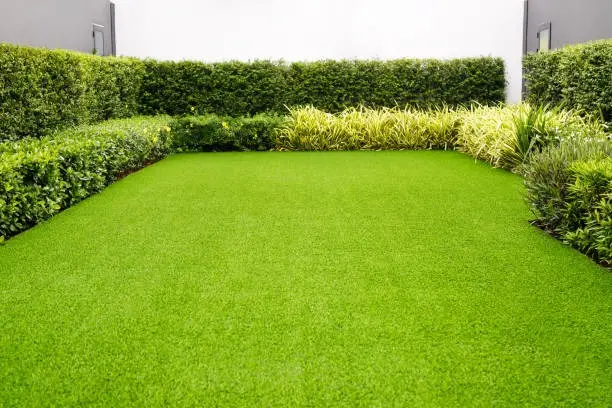
Turf can replace a worn lawn, cover a side yard, create a putting or play area, or give a rooftop or small courtyard a soft green surface where grass would struggle. It suits spaces that are used often and watered little, and it can sit beside living plants in the same yard.
Turf that stays cool and drains
Pile, infill and base decide how a lawn feels in summer and holds up on a slope or under foot traffic.
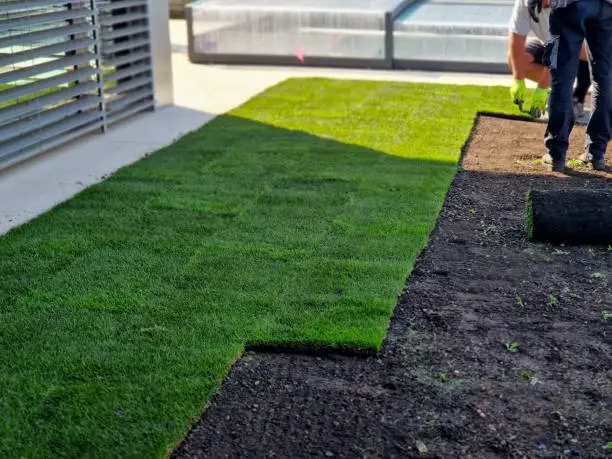
Typically compacted crushed aggregate, graded for drainage. A uniform, well-compacted base prevents ripples and dips that show through the turf.
Most systems use sand or specialty infill to weight the blades and keep them upright. Pet areas often use a cleaner, more antimicrobial-type infill.
Synthetic fibers can get quite warm in direct sun, hotter than grass. Shade, lighter-colored products and occasional rinsing help.
Turf backing is perforated, but water still has to move through the base and away. Clay soils and flat grades may need drainage layers or outlets.
Seams are joined with tape and adhesive, and edges are fixed along a border or restraint. Poor seaming is a common visible flaw.
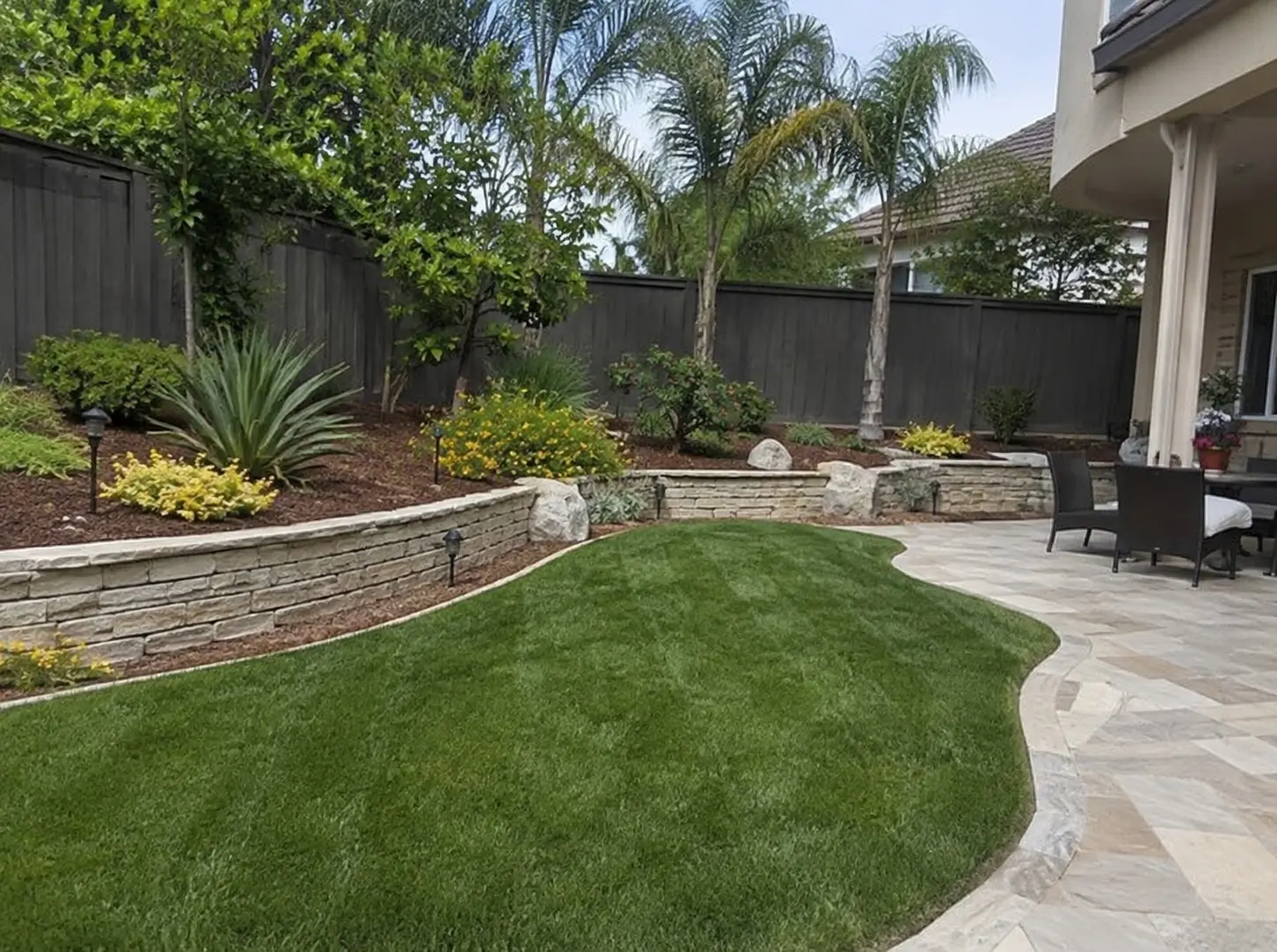 Landscaping Compare turf with living lawns and low-water planting, and decide what mix suits the yard.
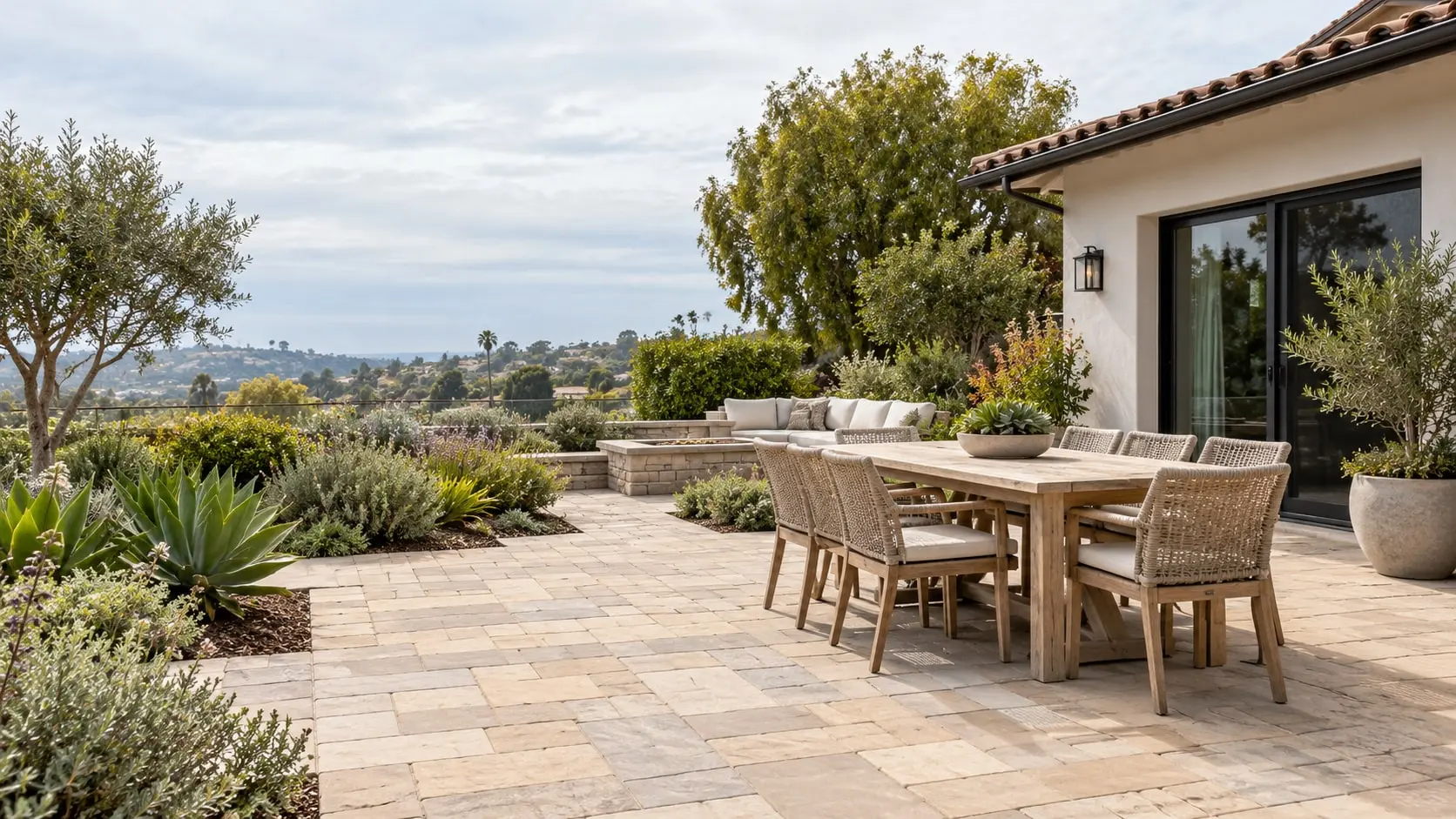 Paver patios Turf often borders a patio, and the transition needs a clean, level edge.
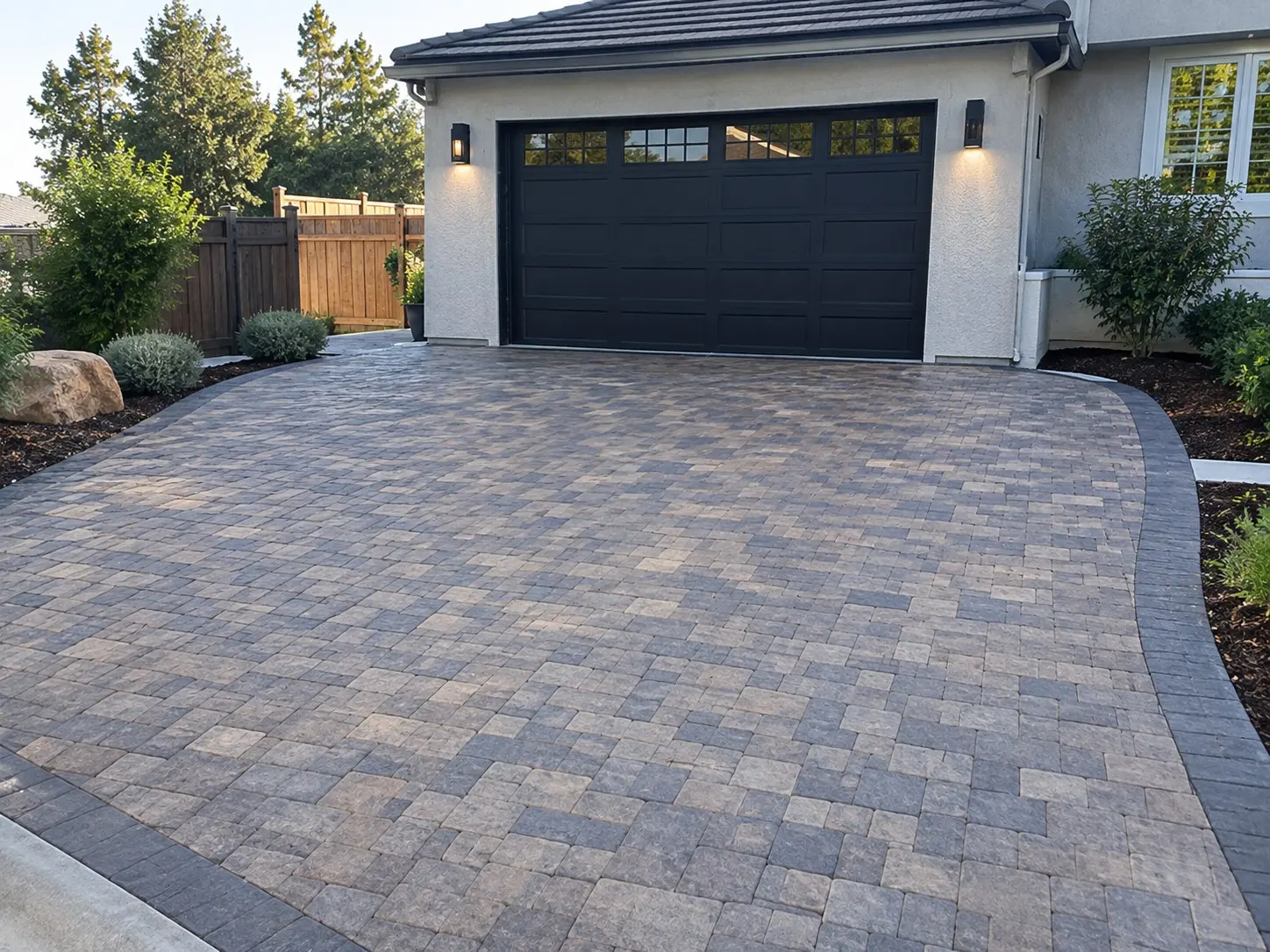 Walkways Paths across or beside turf need firm edges so the base does not migrate.
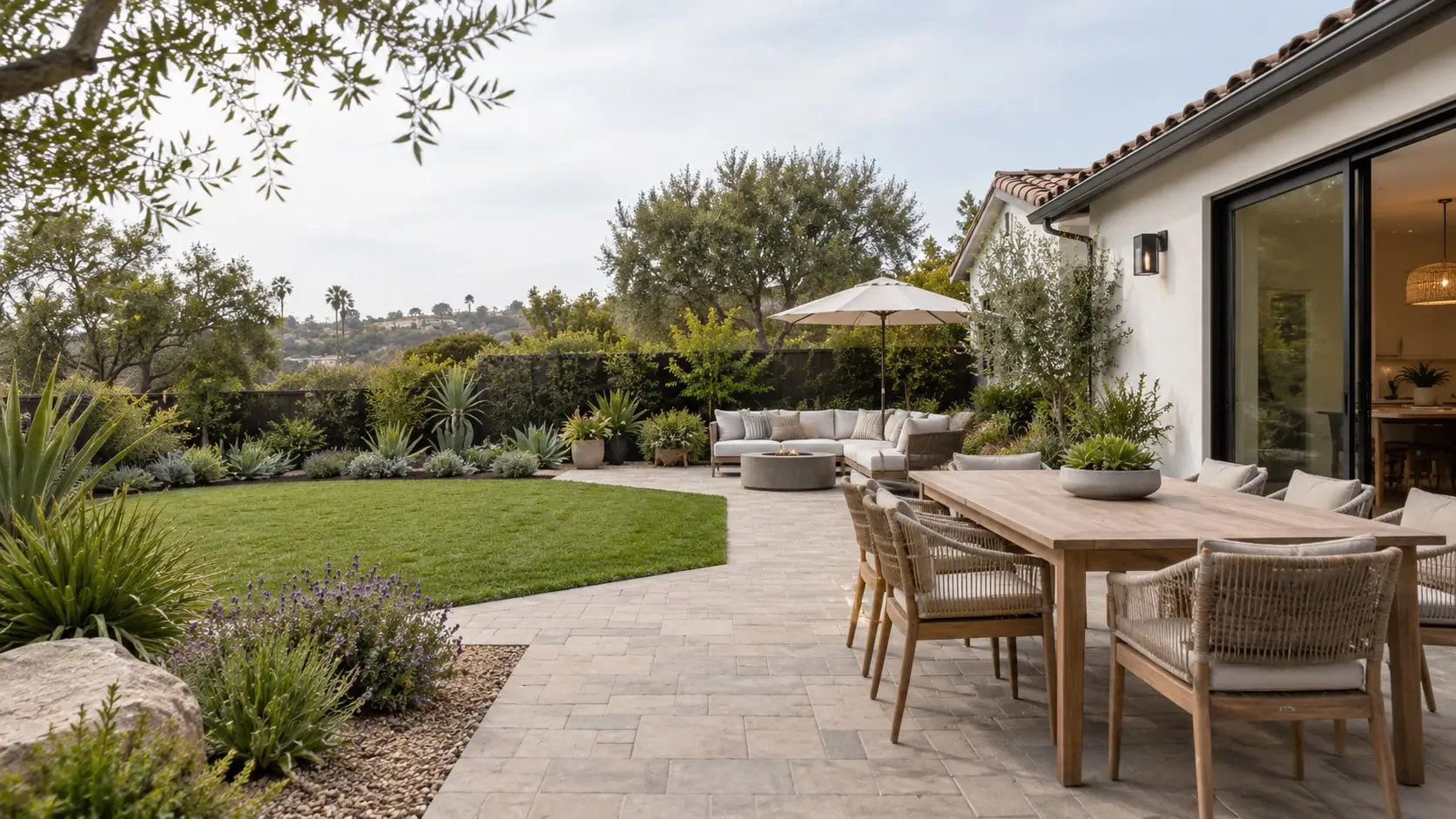 Backyard remodeling See how turf installation is sequenced with grading, drainage and other trades.
A turf lawn is low-water, not no-care.
Leaves, dust and pollen settle into the fibers, so occasional raking or blowing keeps it looking fresh.
Solid waste is removed and urine rinsed away, and a periodic deep rinse keeps odor down.
A light rinse on very hot afternoons cools the surface, and shade or a lighter color helps over time.
Look for lifted seams or exposed edges and have them repaired before they spread.
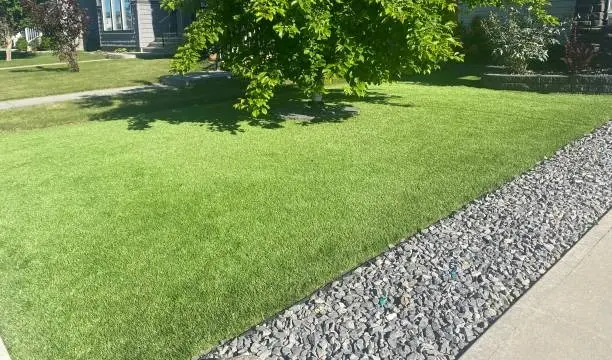
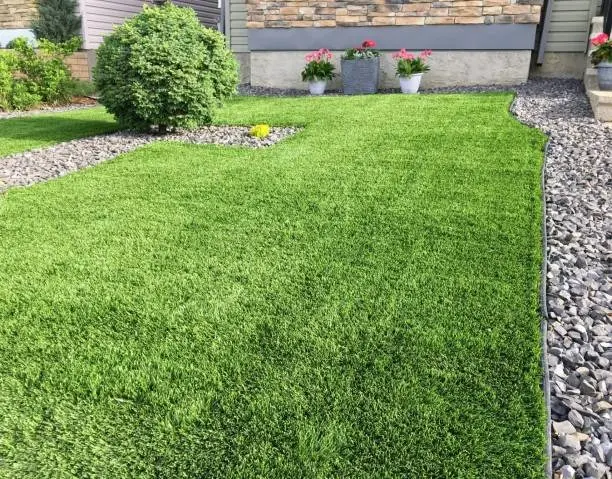
The line where turf meets another surface is where problems start. A paver border set slightly above the turf base keeps edges crisp and stops infill from spilling onto the patio. Along planting beds, a buried edging keeps soil and mulch from creeping across and fouling the fibers.
Heights matter. The finished turf should sit just below door thresholds, flush with the border and sloped slightly away from walls, so water drains rather than pooling.
Planning starts with measuring the area, marking irrigation lines to cap or reroute, and noting where water collects. Call 811 before digging, and check HOA rules and any local water-agency turf programs, since requirements and eligibility vary.
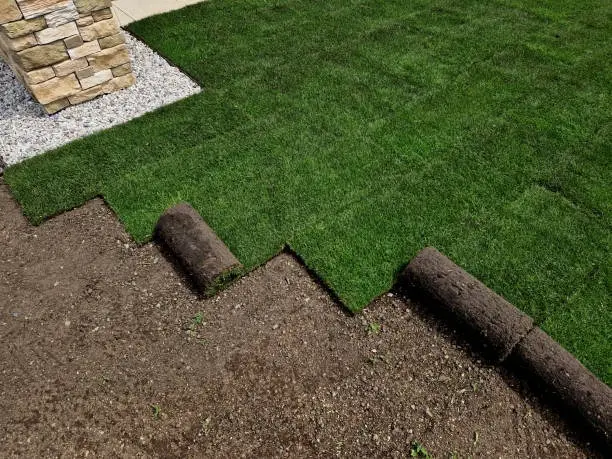
Sod and the top layer of soil are stripped so the new base sits on firm ground, not roots and thatch.
Low spots are corrected, slopes are set away from the house, and drains or outlets are added where water would stand.
Crushed aggregate is spread and compacted in layers, then screeded smooth to the finished grade.
Rolls are cut to the shape, aligned in one pile direction, seamed and fixed along the edge.
Infill is spread evenly and brushed in so the blades stand upright and the surface feels uniform.
Clarity before you begin
Many owners use it successfully, with a well-draining base, suitable infill and regular rinsing. Heavy use by large dogs may need extra attention to odor control and to the choice of infill.
In direct afternoon sun it can be uncomfortable to touch, especially for bare feet and paws. Shade, lighter products and a quick rinse help, and many people test a sample in the sun first.
Yes, with a base deep enough to spread load and drain properly. Clay holds water, so outlets or drainage layers may be needed to keep the surface from staying damp.
Generally not on its own, but drainage changes, retaining edges or HOA rules may apply. Ask your city, county or association before you start.
Area, shape complexity, site prep and removal of old lawn, base depth, drainage work, product choice and access for equipment.