Concrete Driveways
Strong, properly reinforced slabs handle daily vehicle traffic, and we prepare the base, pour, and finish each driveway carefully so it stays smooth, level, and attractive for years.
Service guide / San Diego
Concrete for San Diego yards: finishes, joints and cracking, reinforcement, slab thickness drivers, curing, and how concrete pairs with pavers and stone.
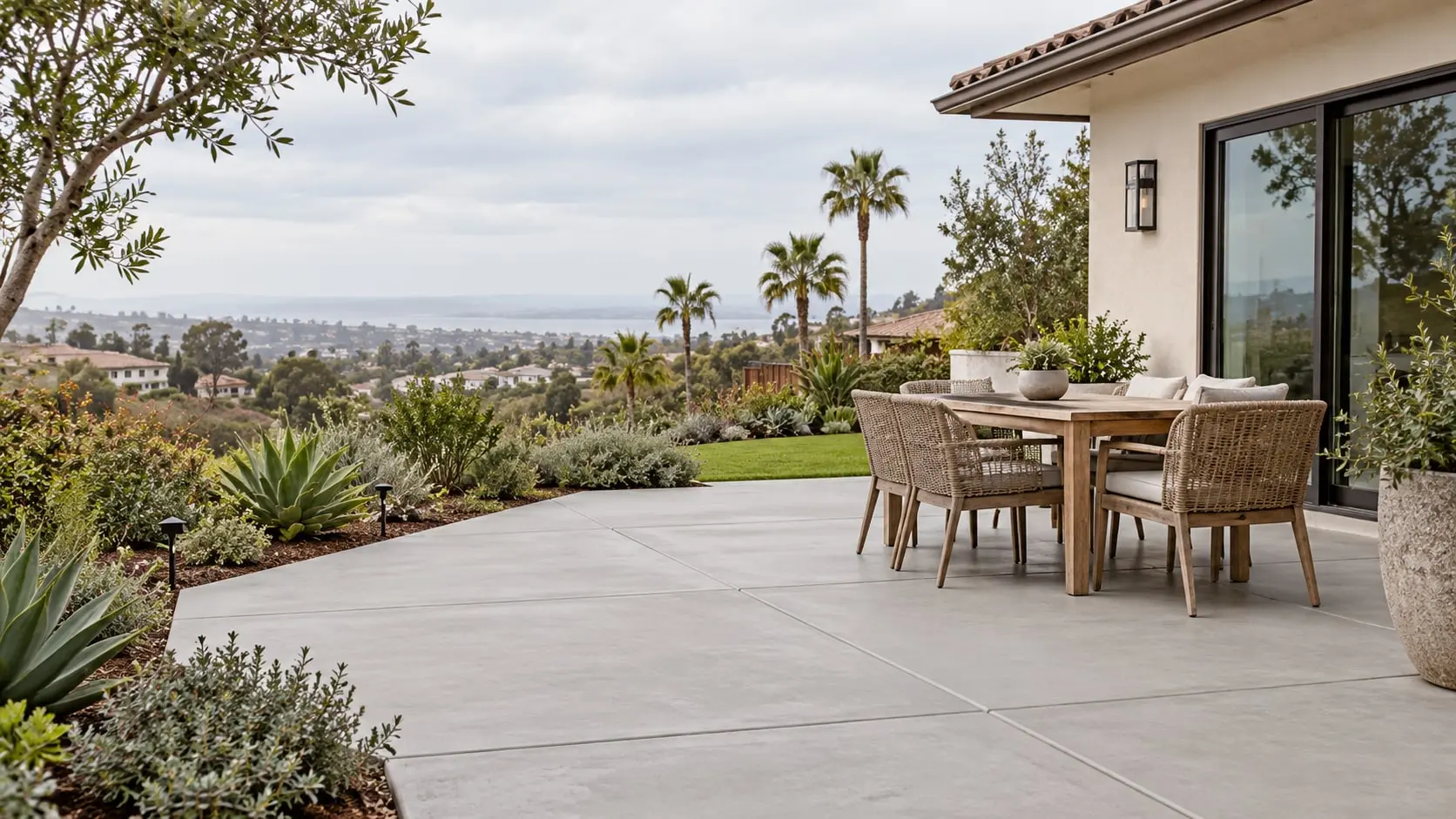
Concrete construction in San Diego provides the strength and versatility needed for driveways, patios, walkways, slabs, steps, and foundations.
Our team prepares each site carefully, with proper grading, forming, reinforcement, and base compaction, because a well-built foundation prevents cracking and settling. We pour and finish concrete with precision, delivering smooth, level surfaces that look clean and stand up to heavy loads and weather. If you want more visual appeal, we offer stamped, stained, exposed aggregate, and broom finishes that add texture and color without sacrificing durability. Concrete is a cost-effective, long-lasting choice for both residential projects and light commercial needs. We work efficiently, communicate clearly, and stand behind our results. We handle concrete removal, replacement, and repair of cracked, sunken, or damaged slabs. Contact us today to get a free concrete construction estimate in San Diego for your next project.
Strong, properly reinforced slabs handle daily vehicle traffic, and we prepare the base, pour, and finish each driveway carefully so it stays smooth, level, and attractive for years.
Create an inviting outdoor space with a durable slab in the size and shape you want, finished with textures or colors that match your home and your landscaping.
Stamped patterns, stains, and exposed aggregate add the look of stone, brick, or tile at a lower cost, giving you durable surfaces with real visual impact.
We pour safe, slip-resistant concrete walkways and steps with consistent dimensions and clean edges, connecting your entrances, yards, and outdoor areas in a practical and attractive way.
Garages, sheds, additions, and equipment pads all need solid concrete bases, and we form, reinforce, and pour them accurately to support structures and resist cracking and settling.
We remove failing slabs, correct drainage issues, and pour new surfaces, or repair cracks and sunken areas where possible, restoring your worn driveways, patios, and walkways.
Concrete work in a residential yard tends to fall into three kinds of jobs.
Flat living surfaces where finish, color and joint layout shape the look.
Surfaces that carry vehicle loads and need thicker, reinforced sections over a prepared base.
Flat, level slabs under spas, outdoor kitchens, generators and mechanical equipment.

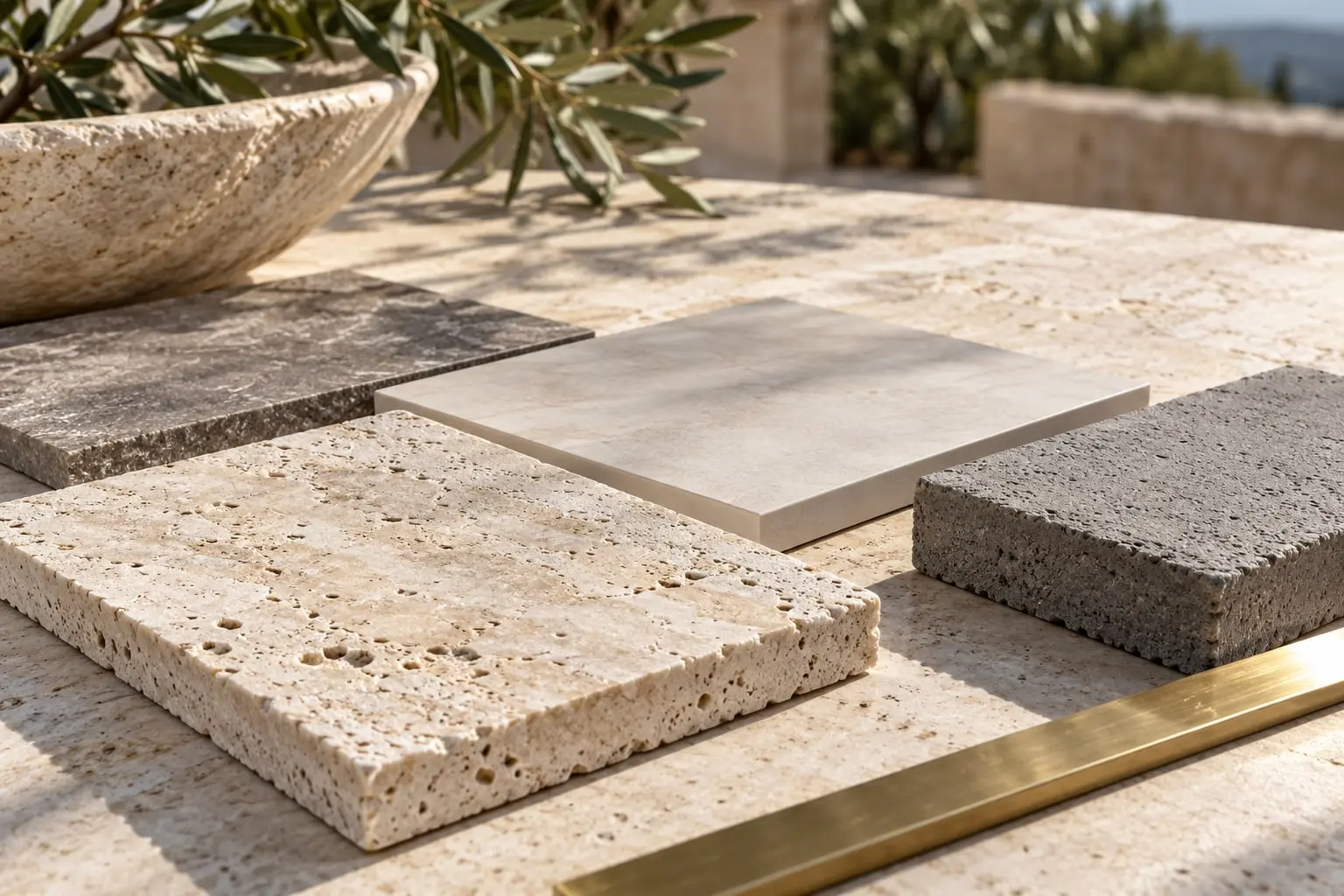
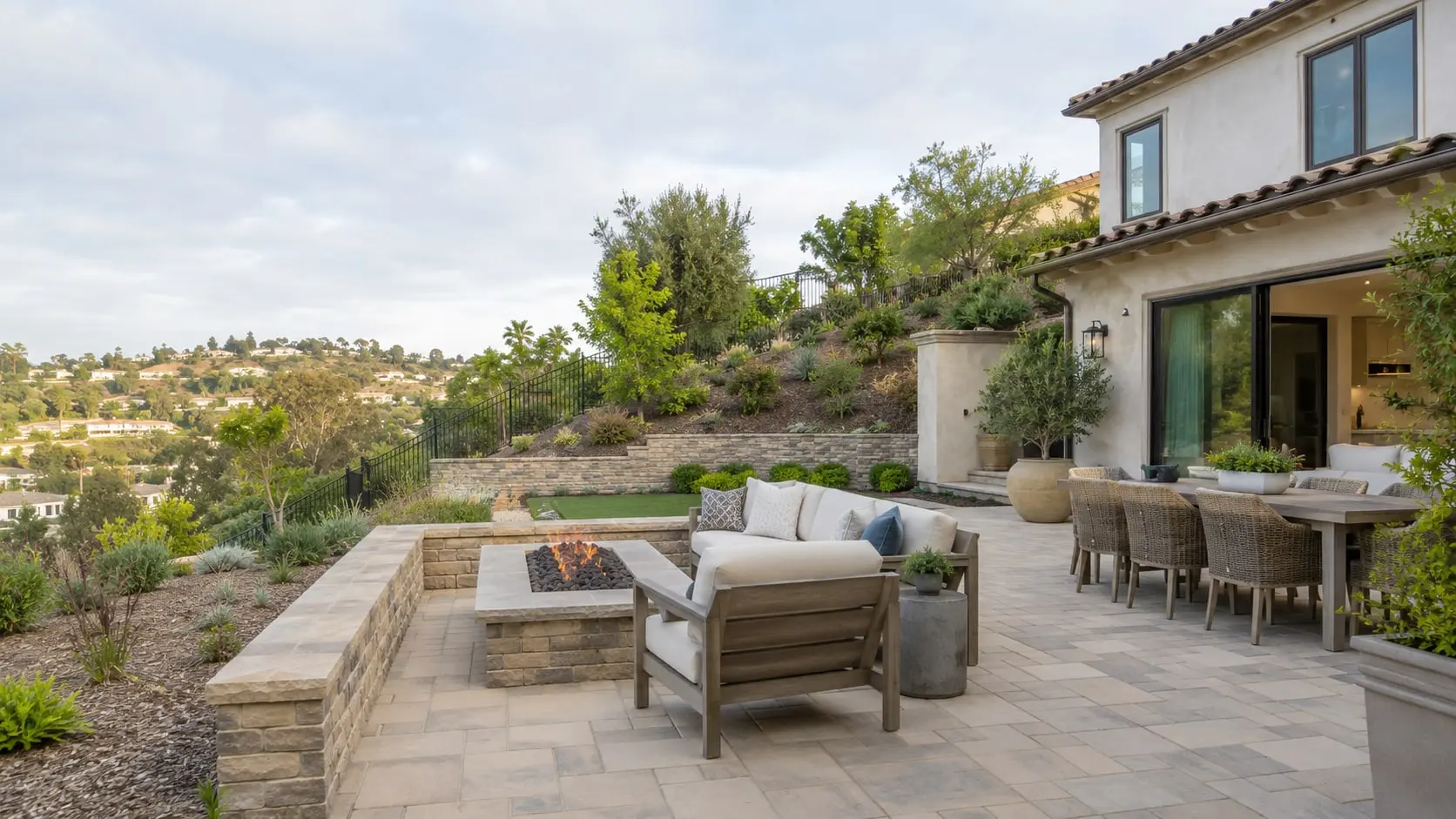
A broom finish gives grip and hides dust, a smooth steel-trowel finish is better kept indoors or under cover, and stamped or colored surfaces can echo stone. Sealing adds protection and sheen but makes some finishes slicker when wet.
Concrete also frames other materials well: a concrete band with paver infill, or a poured walk running into a planted entry.

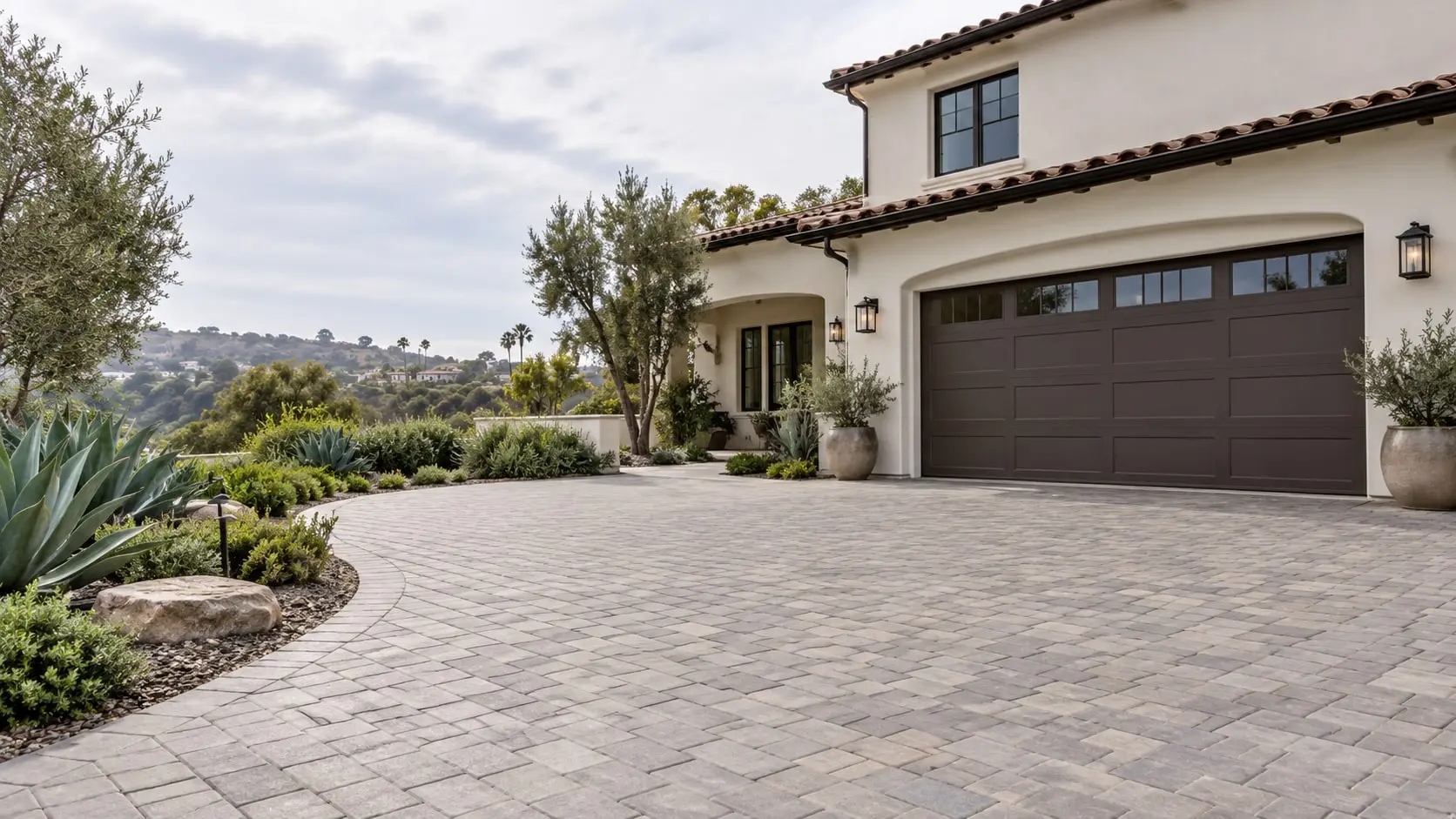
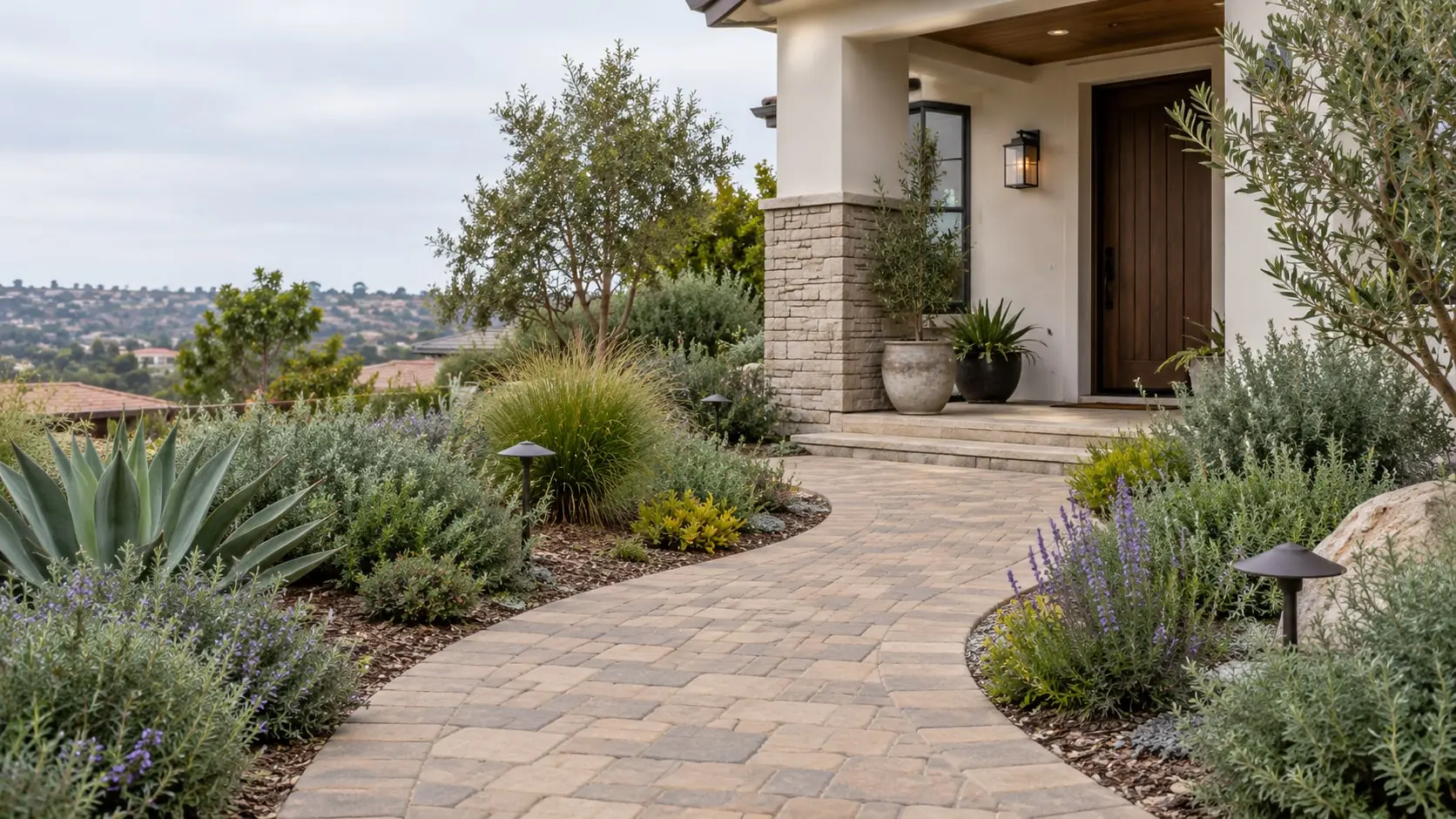
A large slab is a big thermal mass, and its color and finish change how it behaves.
Reflects more sunlight and stays more comfortable barefoot, though it can glare at midday.
Absorbs heat and can be too hot underfoot in afternoon light.
Adds traction and breaks up reflection, with a coarser feel underfoot.
| Choice | What it affects | Suited to | Watch for |
|---|---|---|---|
| Reinforcement | Resistance to spreading cracks and settlement | Driveways, large patios | Needs to sit in the middle of the slab, not on the soil |
| Base preparation | How evenly the slab is supported | Every slab | Soft or unprepared fill under the base |
| Control joints | Where shrinkage cracks happen | All large surfaces | Joint spacing that ignores the layout of furniture or steps |
| Surface finish | Traction, look and cleaning | Patios, walks, pool edges | Smooth finishes get slippery when wet |
| Sealer | Stain resistance and color depth | Decorative and exposed surfaces | Some sealers add slipperiness or need recoating |
Details depend on soil, load and local requirements. Confirm structural questions with the building department or an engineer where required.
Remove topsoil and soft material, then set the slope so surface water drains away from the house.
Aggregate is placed and compacted in layers so the slab has even support, especially important over expansive clay soils.
Edge forms define the shape and height, while reinforcing steel is positioned and supported off the ground.
Concrete is placed, leveled and finished to the specified texture, with control joints cut or tooled at planned spacing.
Moisture is kept in the slab for the curing period so it reaches strength without surface crazing, and traffic stays off until it is ready.
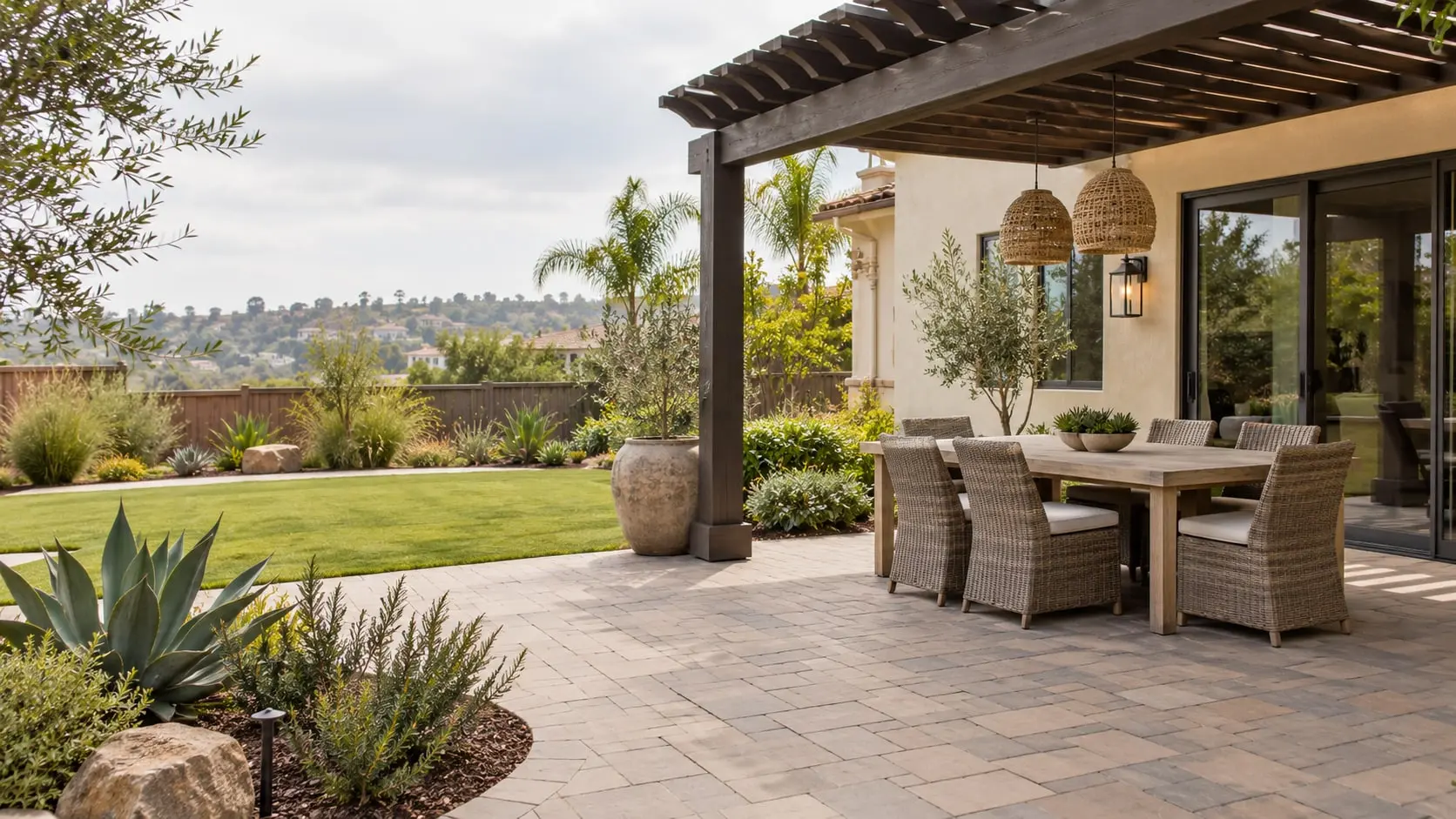
Concrete is a strong, cost-efficient field that other materials can border. A flagstone edge, a paver inset, or a turf panel next to a slab all depend on a clean, level transition and a plan for drainage where two surfaces meet.

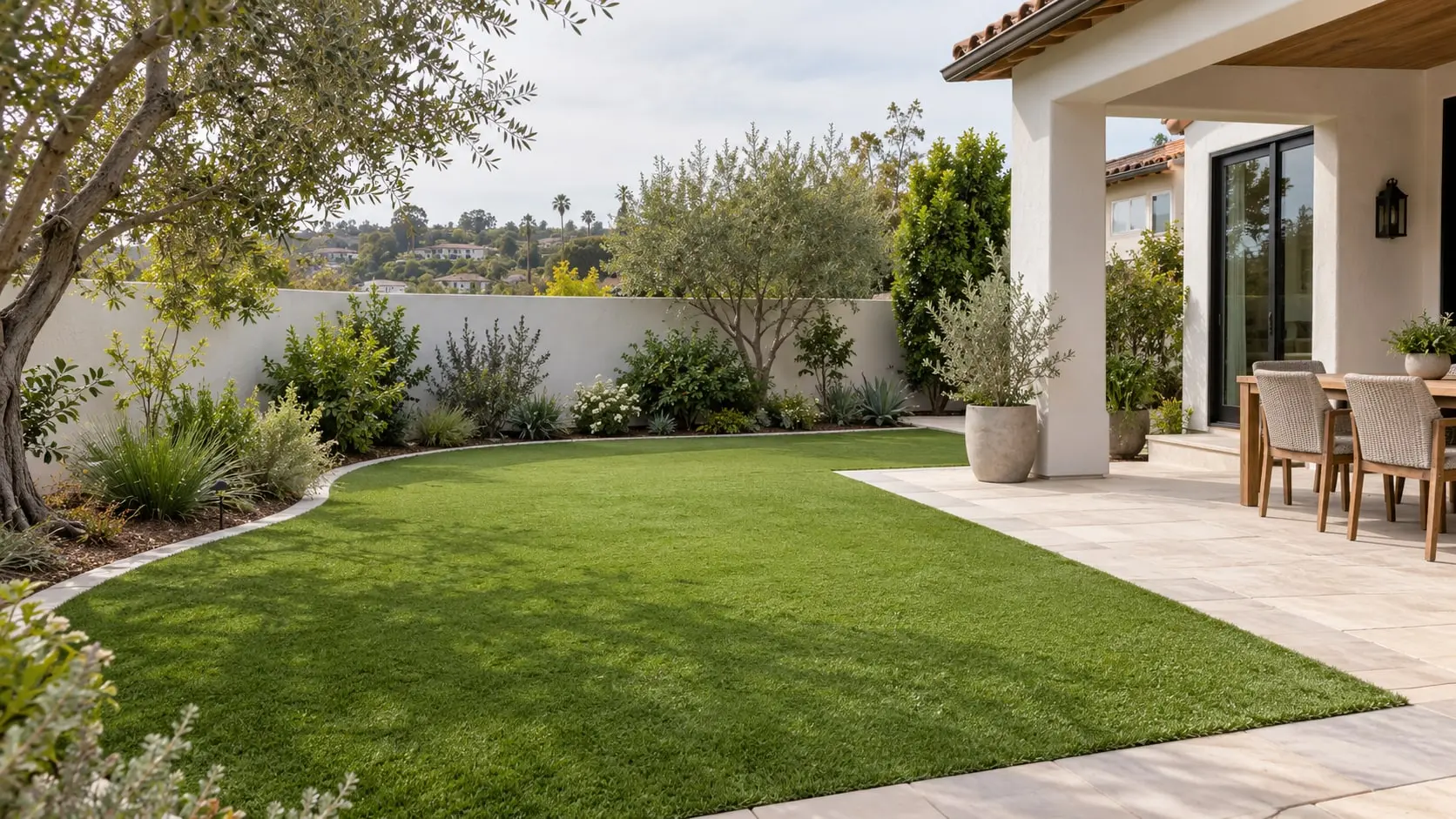

Slabs behave differently depending on the soil and climate under them.
Clay swells when wet and shrinks when dry, so deeper bases and good drainage reduce movement.
Looser soils need careful compaction, and salt air favors quality, well-cured concrete with a suitable sealer.
Soil that was filled during development may settle, so soil conditions and drainage need review before pouring.

Call 811 (DigAlert) before excavation so gas, water, electric and communication lines are marked.
Check with the City of San Diego Development Services Department or your city or county building department, especially for driveways, structural slabs or work near the street.
Associations often govern color, finish and visible hardscape changes.
A concrete truck needs a place to stop, and a pump or wheelbarrows may be needed if the route is narrow.
Layout of joints should follow furniture, steps and edges rather than being left to the crew on the day.
Hot, windy days and rain both affect finishing and curing, so flexibility in scheduling helps.
Some hairline cracking is normal. Reinforcement, proper base preparation and planned control joints keep cracks small and put them where they are least visible.
Sometimes, as an overlay, if the old slab is sound and level. A cracked or sunken slab usually needs removal and a new base.
Foot traffic comes first, vehicles and heavy loads later. Follow the guidance for the mix and weather rather than a general rule.
Concrete is continuous and efficient for large areas. Pavers are repairable and offer more variety. Many yards use both.
Area, thickness, reinforcement, finish type, access for trucks, demolition of old slabs and site preparation.